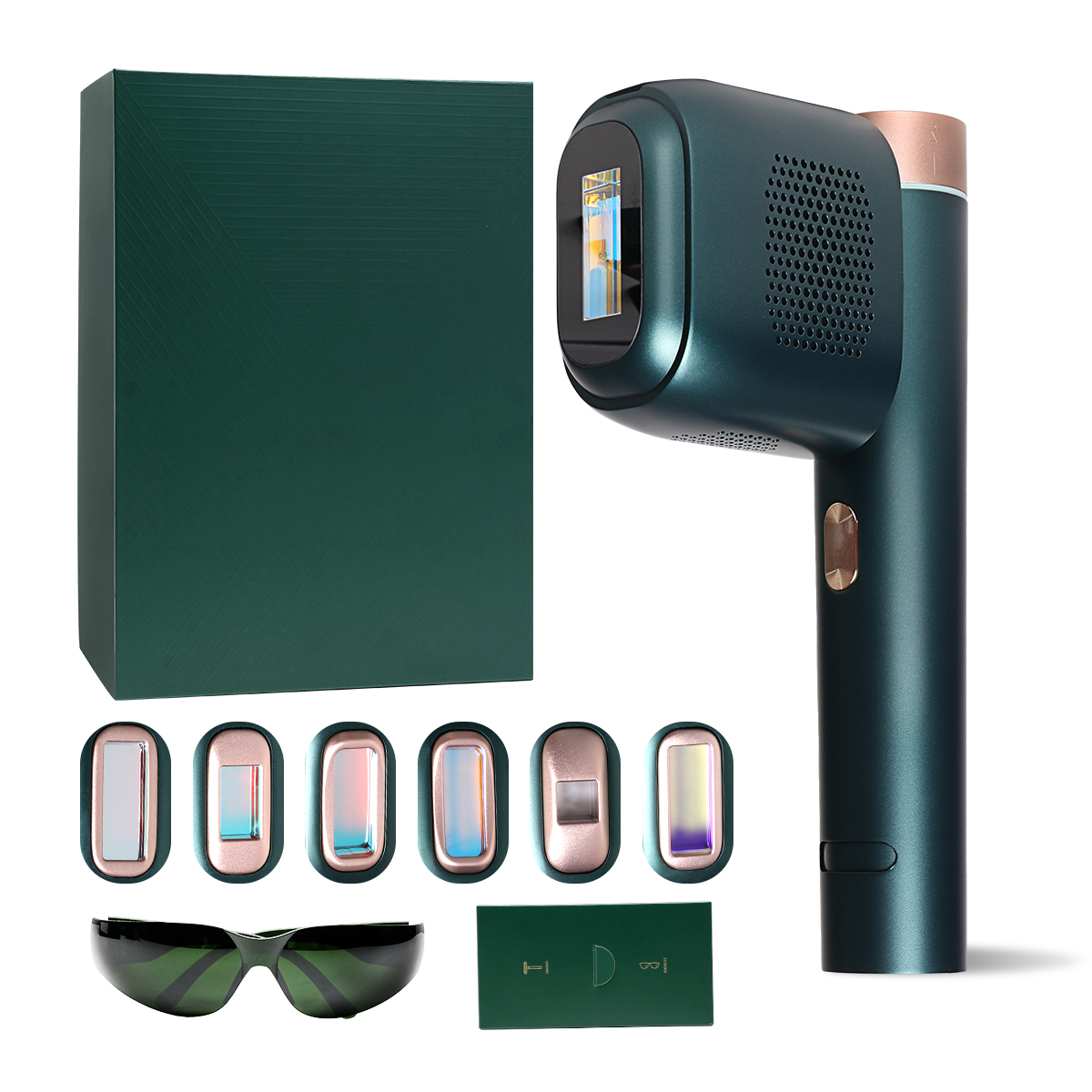
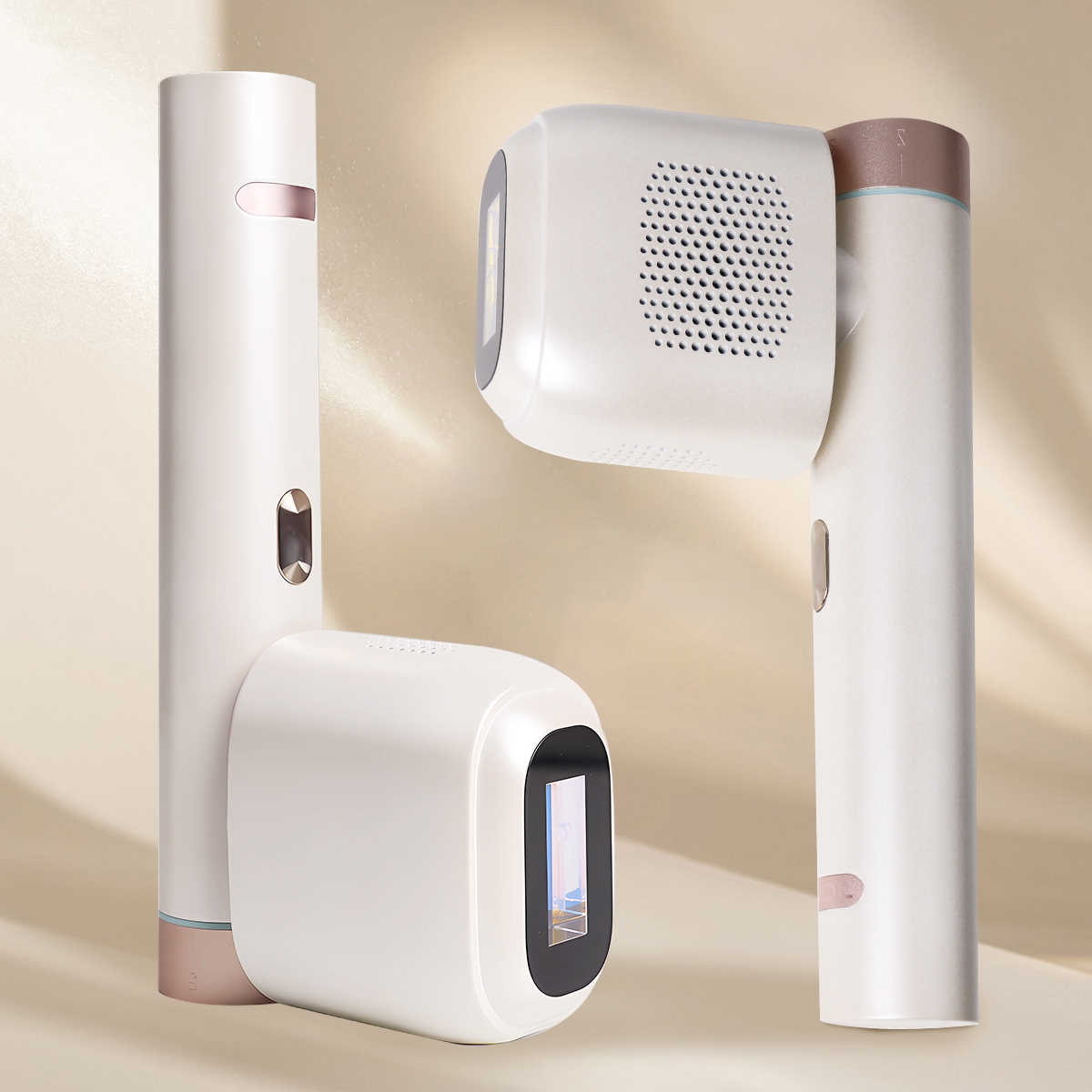
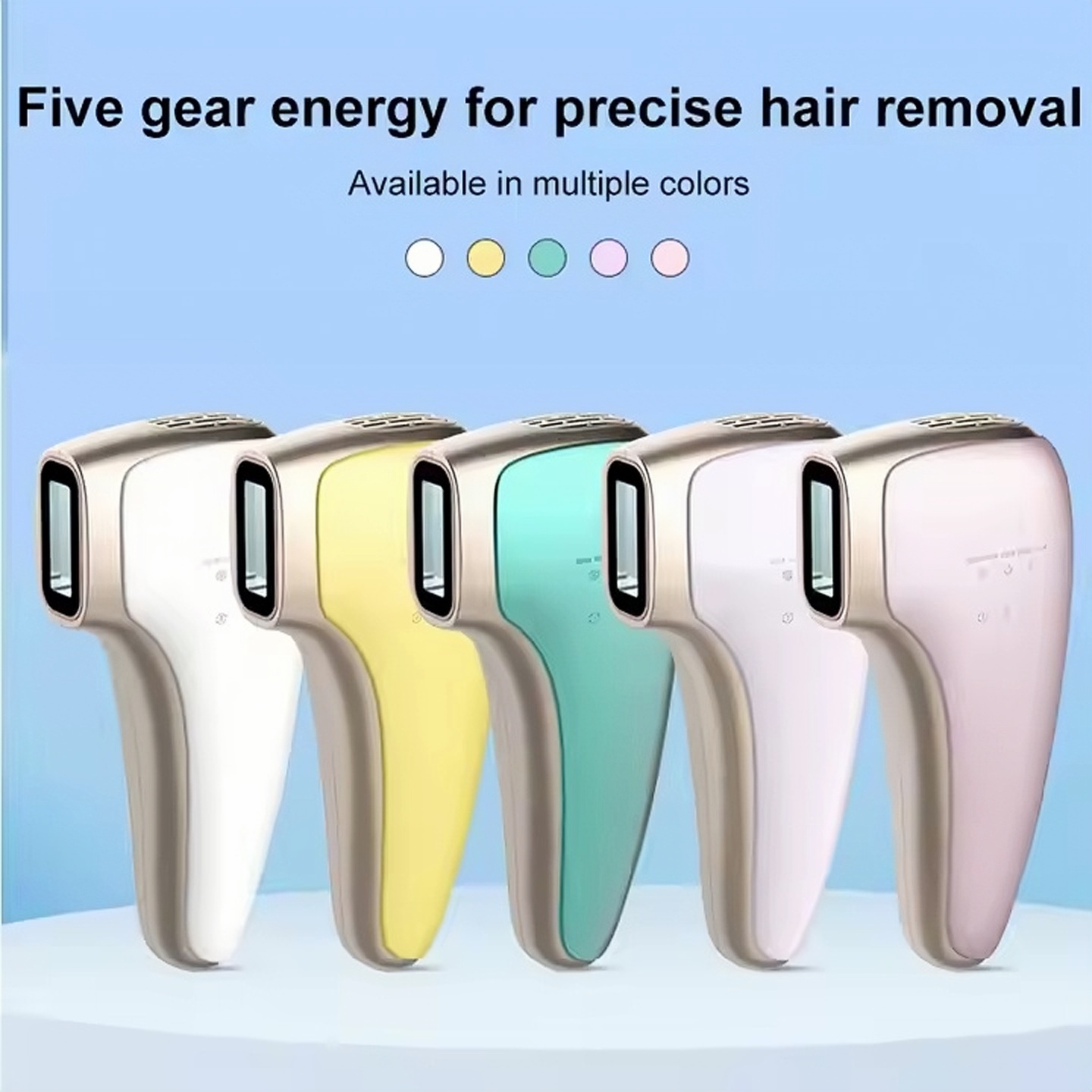
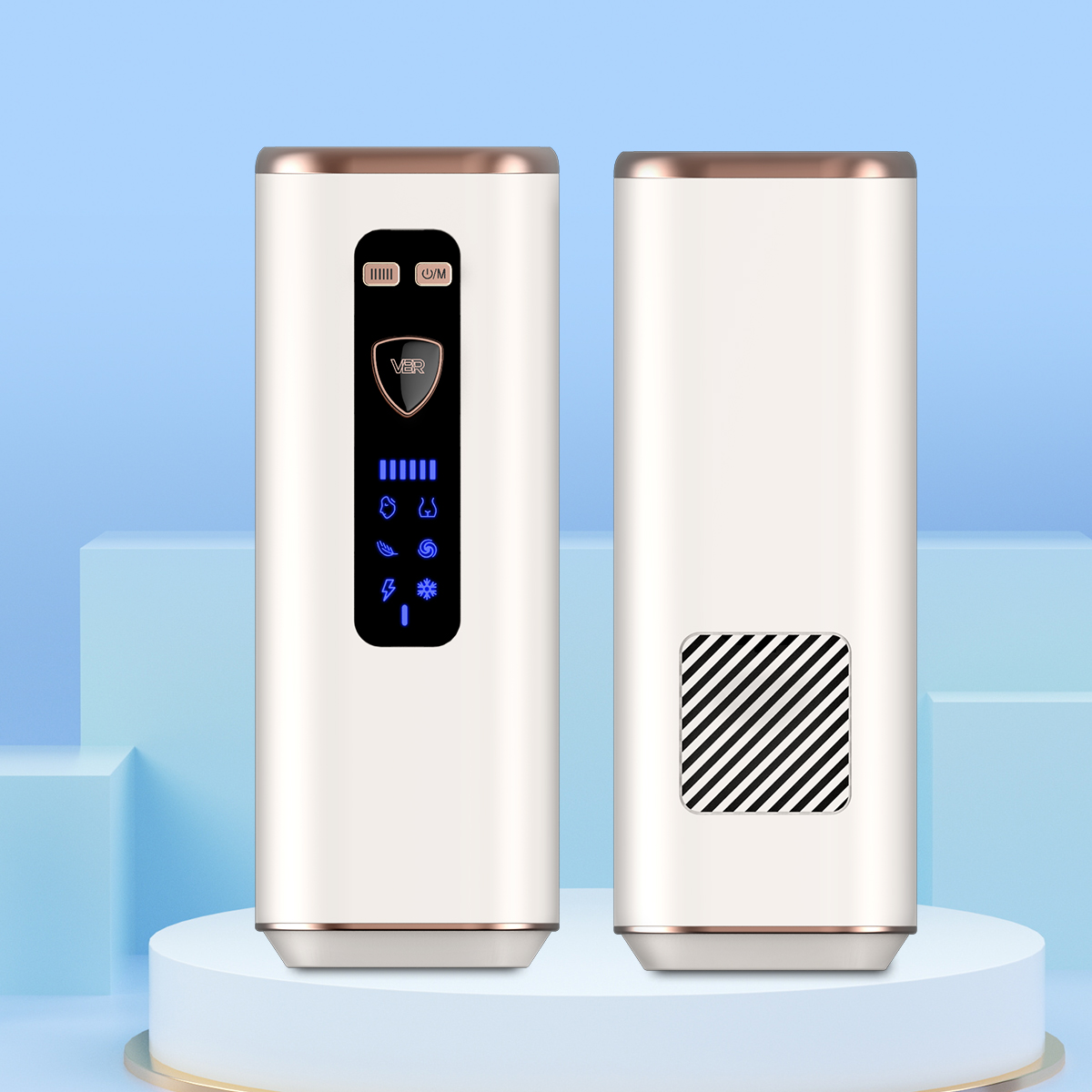
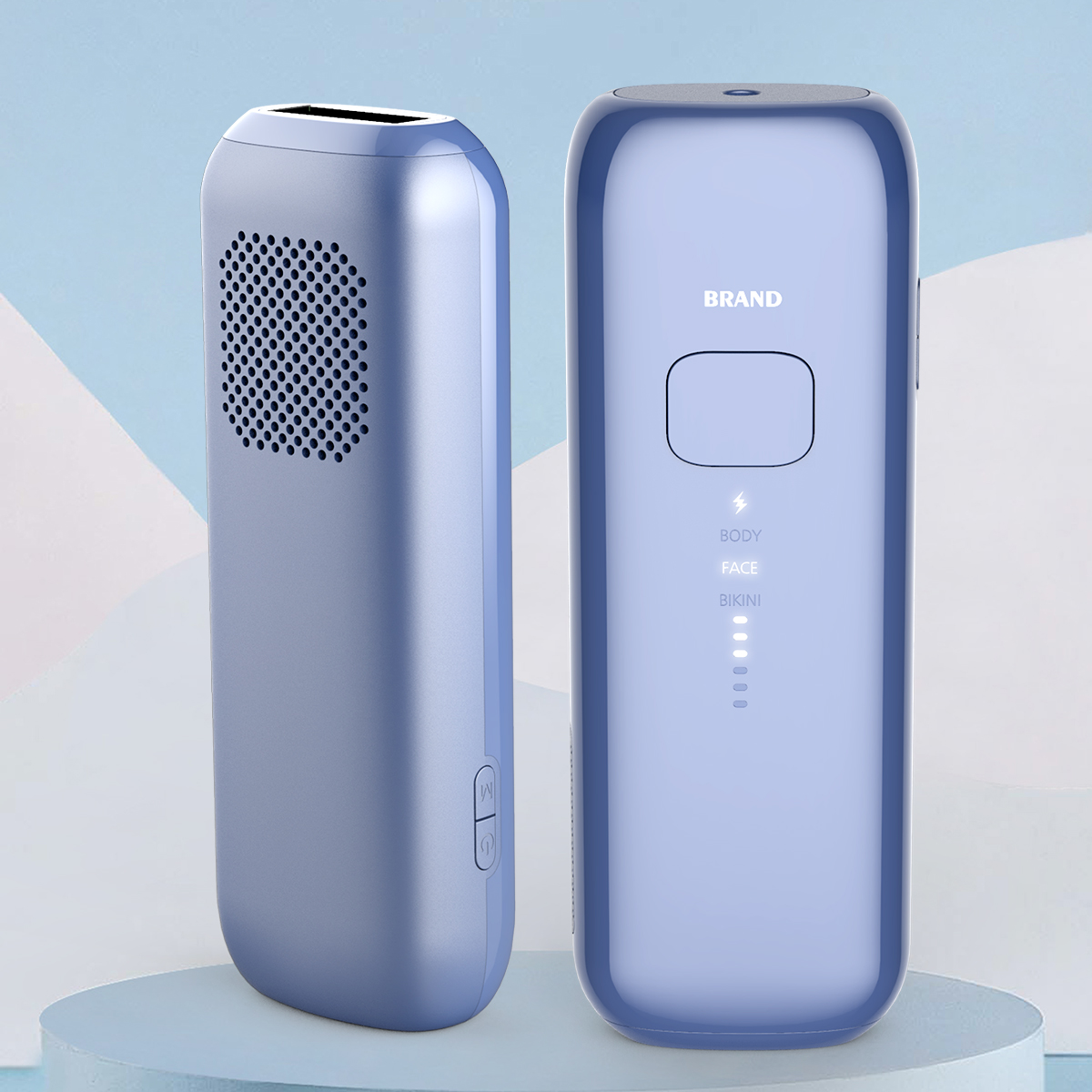
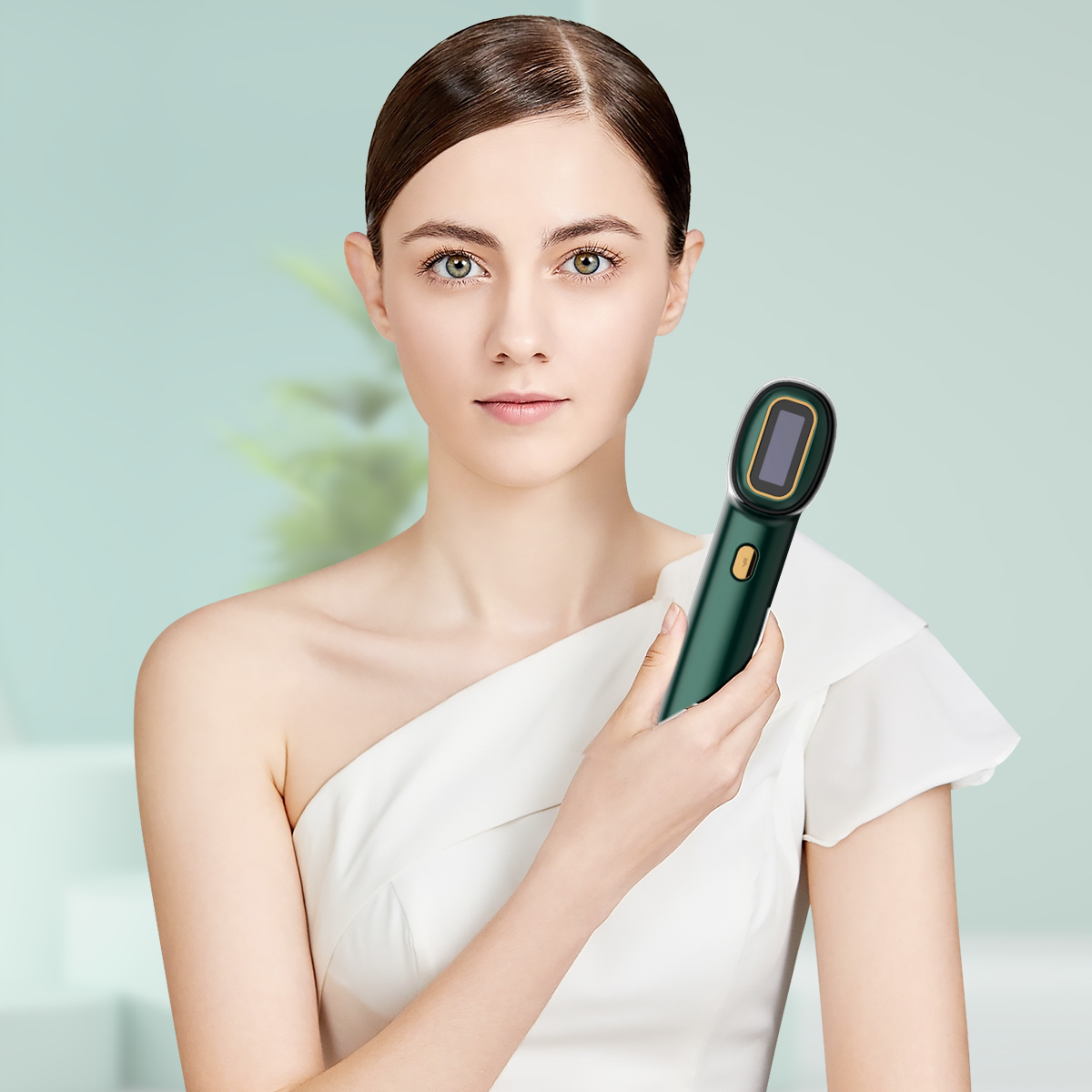
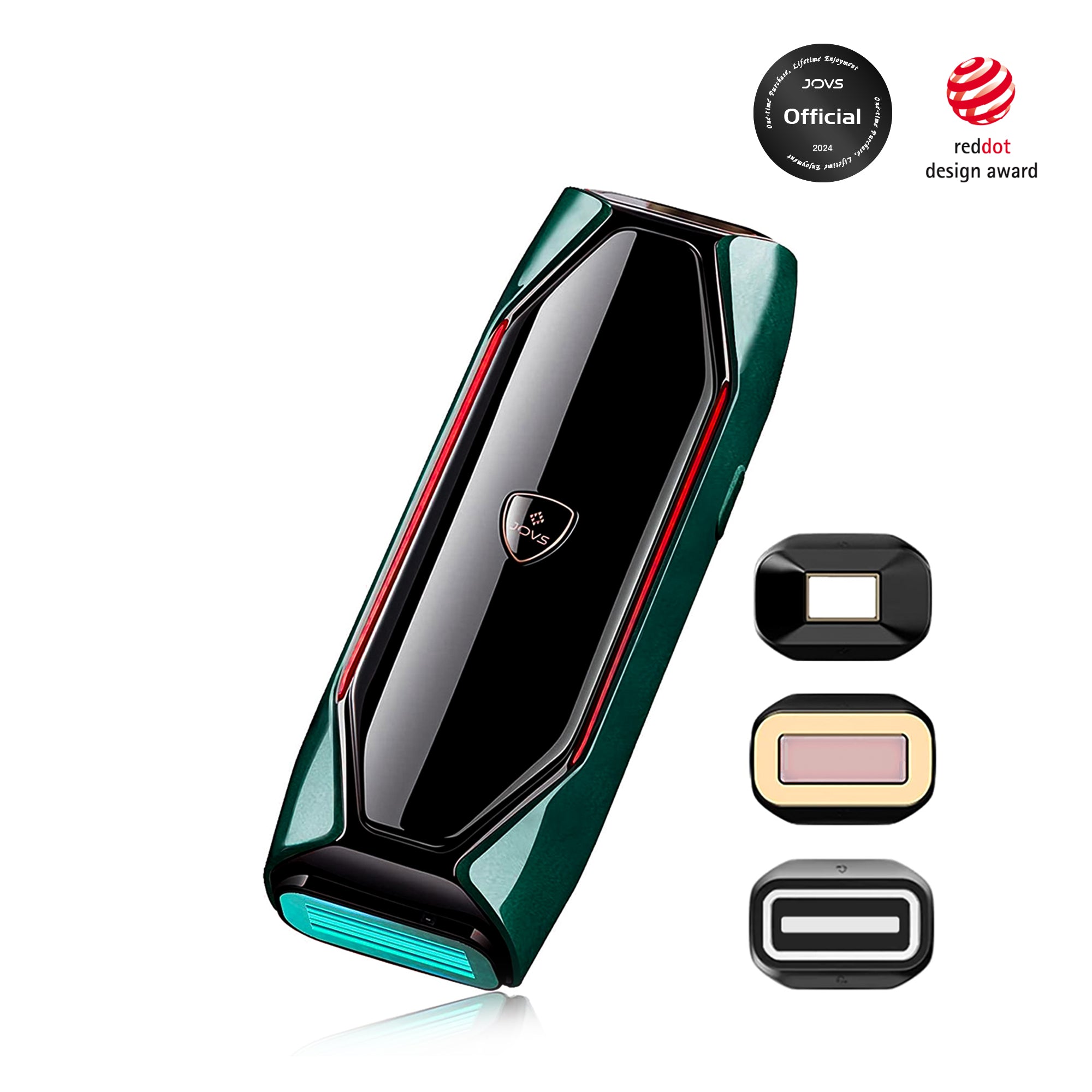
At-home IPL hair removal devices have become a go-to solution for anyone seeking smooth, hair-free skin without the hassle of salon visits or temporary methods like shaving and waxing. But while these devices are safe and effective when used correctly, many people make simple mistakes that reduce results, cause irritation, or even damage the skin.
Whether you’re a beginner or have been using IPL for months, avoiding these common pitfalls is key to getting the most out of your device—and achieving long-lasting hair reduction.
Below, we break down the 7 most common mistakes people make with at-home IPL hair removal devices, explain why they’re problematic, and share expert-backed tips to fix them. This guide is designed for both men and women, covering everything from pre-treatment prep to post-treatment care, so you can use your IPL device safely and effectively.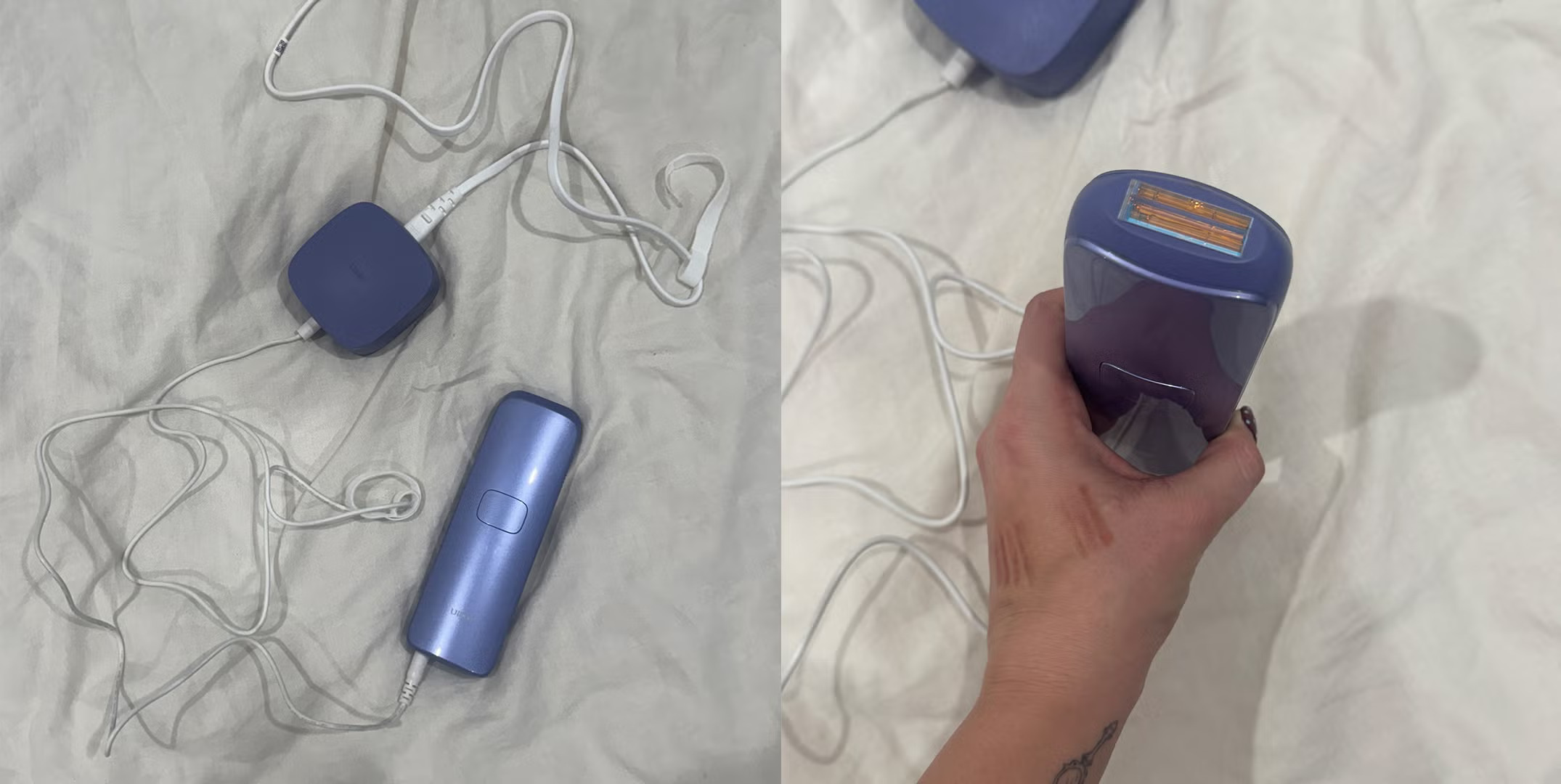
Mistake 1: Skipping Shaving Before Treatment
Why It’s a Problem
One of the biggest mistakes beginners make is using an IPL device without shaving the target area first. IPL works by targeting melanin in the hair follicle—if there’s long surface hair, the light energy will be absorbed by the hair shaft instead of the follicle. This not only reduces the device’s effectiveness but can also cause discomfort, as the heated hair shaft may irritate the skin.
Expert Fix
Shave the target area 24–48 hours before your IPL session. Use a clean, sharp razor to remove all surface hair—this ensures the IPL light can penetrate directly to the follicle, maximizing results. Avoid shaving immediately before treatment, as this can cause micro-abrasions that make the skin more sensitive to IPL.
Mistake 2: Using the Wrong Energy Level
Why It’s a Problem
Many people either start with the highest energy level (thinking it will speed up results) or stick to the lowest level (afraid of irritation). Both approaches are counterproductive: high energy levels can cause burning, redness, or pigmentation, especially on sensitive skin. Low energy levels, on the other hand, won’t penetrate the hair follicle effectively, leading to slow or no results.
Expert Fix
Start with the lowest or medium energy level for your first 1–2 sessions, regardless of your hair type. Gradually increase the level if you don’t experience irritation (e.g., redness, stinging) after each session. For thick, coarse hair (common in men), you may need higher energy levels over time, but always prioritize skin comfort. Sensitive areas (face, bikini line) should stay on lower to medium levels.
Mistake 3: Over-Treating the Same Area
Why It’s a Problem
IPL works best when used consistently but not excessively. Some people treat the same area multiple times in one session or use the device more frequently than recommended (e.g., every 2–3 days). Over-treatment can damage the skin’s barrier, cause inflammation, redness, or even long-term pigmentation changes. It also doesn’t speed up results—hair follicles need time to recover between sessions.
Expert Fix
Follow the recommended treatment schedule: 2–3 sessions per week for 8–12 weeks, with at least 7–10 days between treatments for the same area. Never treat the same spot more than once in a single session. If you notice irritation, take a break for 1–2 weeks to let your skin recover.
Mistake 4: Ignoring Sun Exposure Before and After Treatment
Why It’s a Problem
IPL devices make the skin more sensitive to UV rays—this is one of the most overlooked mistakes. Exposing treated areas to direct sunlight 24–48 hours before or after treatment can cause sunburn, pigmentation, or even reduce the device’s effectiveness. For people with dark skin, sun exposure can increase the risk of irritation, as dark skin absorbs more light energy.
Expert Fix
Avoid direct sunlight for 24–48 hours before and after each IPL session. If you must go outside, wear loose, protective clothing and apply a broad-spectrum sunscreen (SPF 30+) to the treated areas. For best results, avoid tanning (natural or artificial) while using an IPL device—tanned skin is more prone to irritation.
Mistake 5: Using Harsh Products Before or After Treatment
Why It’s a Problem
Using products like alcohol-based aftershave, fragranced lotions, exfoliants, or depilatory creams before or after IPL treatment can irritate the skin. These products can strip the skin’s natural barrier, making it more sensitive to the IPL light. They can also block the light or react with the heat, reducing results and causing discomfort.
Expert Fix
Before treatment: Clean the target area with a mild, fragrance-free cleanser and pat dry—no oils, lotions, or other products. After treatment: Apply a gentle, hypoallergenic moisturizer (like aloe vera gel) to soothe the skin. Avoid harsh products (alcohol, fragrances, exfoliants) for 24 hours after treatment.
Mistake 6: Expecting Instant Results
Why It’s a Problem
Many people give up on their IPL device because they don’t see instant results. Unlike shaving (which removes hair immediately), IPL works gradually by weakening hair follicles over time. Hair grows in three cycles, and IPL only targets follicles in the active growth phase (anagen)—this means it takes several sessions to see noticeable reduction.
Expert Fix
Be patient and consistent. Most users notice thinner, lighter hair after 4–6 weeks of regular use. After 8–12 weeks, you’ll see 70–90% hair reduction, with any remaining hair being fine and barely visible. Keep a log of your sessions to track progress—this will help you stay motivated.
Mistake 7: Choosing a Low-Quality, Uncertified Device
Why It’s a Problem
Not all at-home IPL devices are created equal. Low-quality, uncertified devices often have inconsistent energy levels, poor light technology, or no safety features (like cooling systems). These devices are not only ineffective but can also be dangerous—they may cause burns, irritation, or even permanent skin damage. Many cheap devices also have fewer flashes (less than 100,000), meaning they won’t last long-term.
Expert Fix
Invest in a high-quality, certified IPL device. Look for devices with FDA, CE, or NMPA certifications—these ensure the device meets safety and effectiveness standards. Choose a device with adjustable energy levels, a cooling system (like sapphire ice cooling), and at least 999,999 flashes (enough for 5–10 years of use). Avoid devices priced under $50—they’re likely to be low-quality and ineffective.
Final Expert Tips for Success
At-home IPL hair removal is a safe, effective way to achieve long-lasting smooth skin—but only if you use the device correctly. By avoiding these 7 common mistakes, you’ll maximize results, minimize irritation, and get the most out of your investment. Remember: consistency is key, and patience pays off.
Whether you’re using IPL for facial hair, chest hair, legs, or intimate areas, following these tips will help you achieve the smooth, confident skin you want—right from the comfort of your home. If you’re unsure about anything, consult the device’s instruction manual or a dermatologist for personalized advice.