In the world of at-home beauty devices, the at-home IPL hair removal device has gained significant popularity. One common belief among consumers is that the greater the energy the device has, the better hair removal result they will get. But is this really the case?
The Role of Energy in IPL Hair Removal
IPL (Intense Pulsed Light) hair removal devices work by emitting a broad spectrum of light that is absorbed by the melanin in the hair follicles. This absorption converts the light energy into heat, which then damages the follicle, inhibiting hair growth. Energy is indeed a crucial factor. Generally, a certain level of energy is required to effectively target and damage the hair follicles. A device with too low energy might not be able to penetrate deep enough into the follicles or generate sufficient heat to cause significant damage, resulting in sub-optimal hair removal results.
The Complexity of the Relationship
However, it's not as simple as just more energy equals better results. Firstly, different skin types and hair colors respond differently to energy levels. For example, lighter skin types can usually tolerate higher energy settings better than darker skin types. If a device with very high energy is used on darker skin, there is a risk of skin damage such as burns, blisters, or hyperpigmentation. On the other hand, for very fine or light-colored hair, extremely high energy might be unnecessary and could still cause skin discomfort without significantly improving hair removal efficacy.
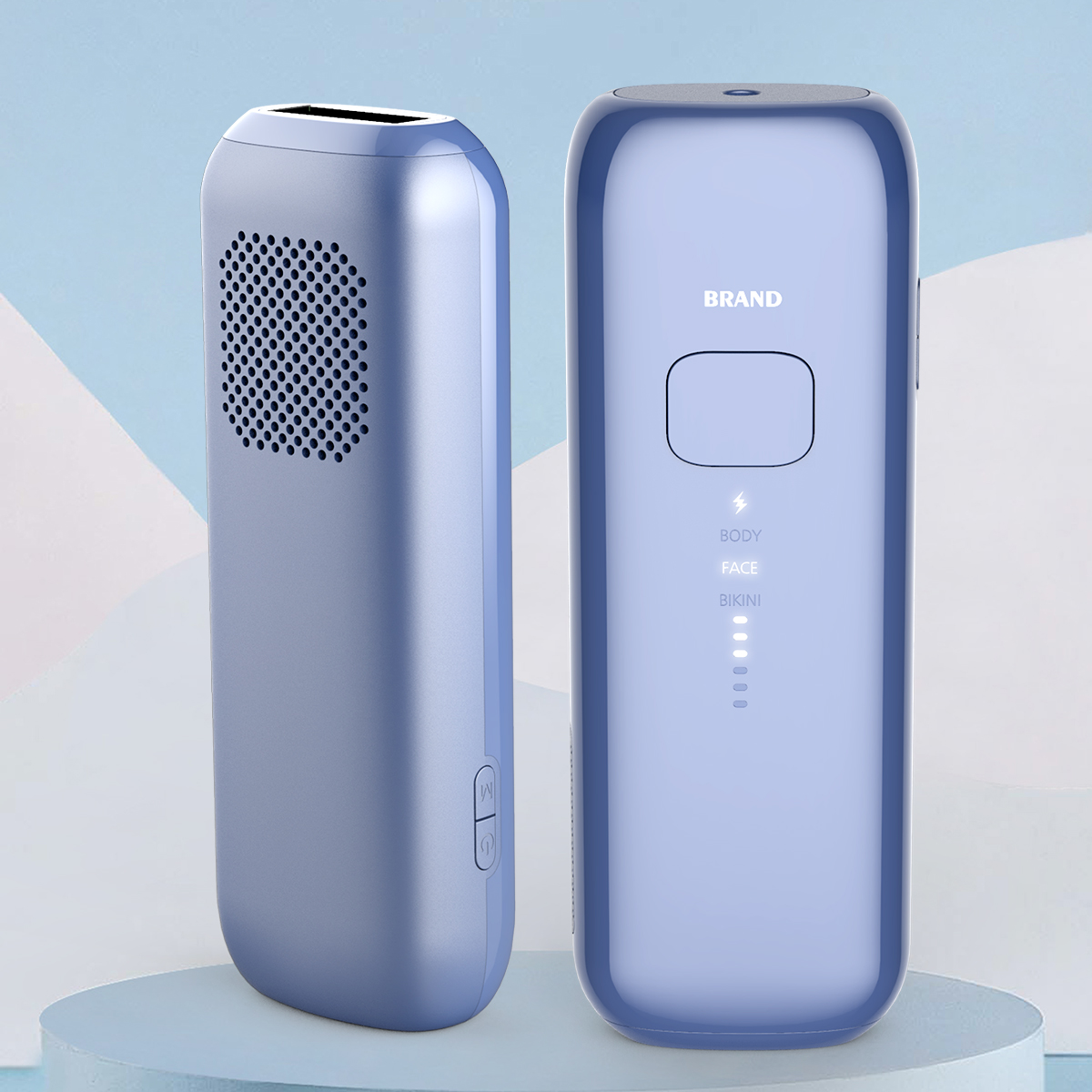
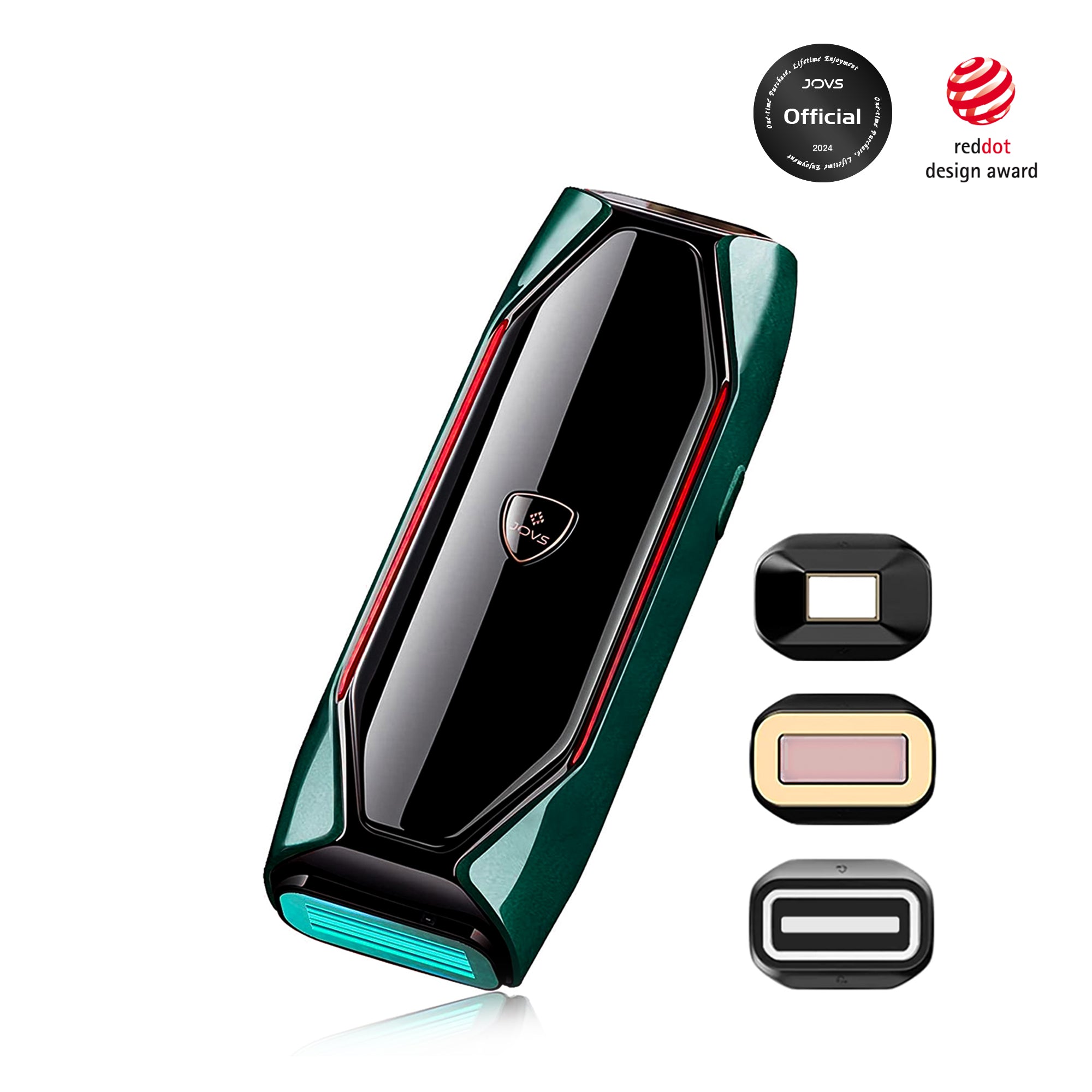
Secondly, the design of the device also plays a major role. The way the energy is delivered, the size of the treatment area, and the cooling mechanism are all important. A device might have high energy output, but if the energy is not evenly distributed across the treatment area, some parts of the skin may not receive enough energy for effective hair removal, while others may be over-exposed. Additionally, a good cooling mechanism is essential when using high-energy settings. Without proper cooling, the high energy can cause excessive heat build-up on the skin surface, leading to pain and potential skin damage.
The Importance of Quality and Safety
When considering an at-home IPL hair removal device, consumers should focus not only on the energy level but also on the overall quality and safety features of the device. Look for devices that have multiple energy settings, allowing you to adjust according to your skin type and hair characteristics. Certifications such as FDA approval (in regions where applicable) are also a good indication of a device's safety and effectiveness.
In conclusion, while energy is an important aspect of at-home IPL hair removal devices, the idea that higher energy always guarantees better results is a myth. It's a complex relationship that involves skin type, hair color, device design, and safety features. By understanding these factors, consumers can make more informed decisions when choosing an IPL hair removal device that suits their needs.