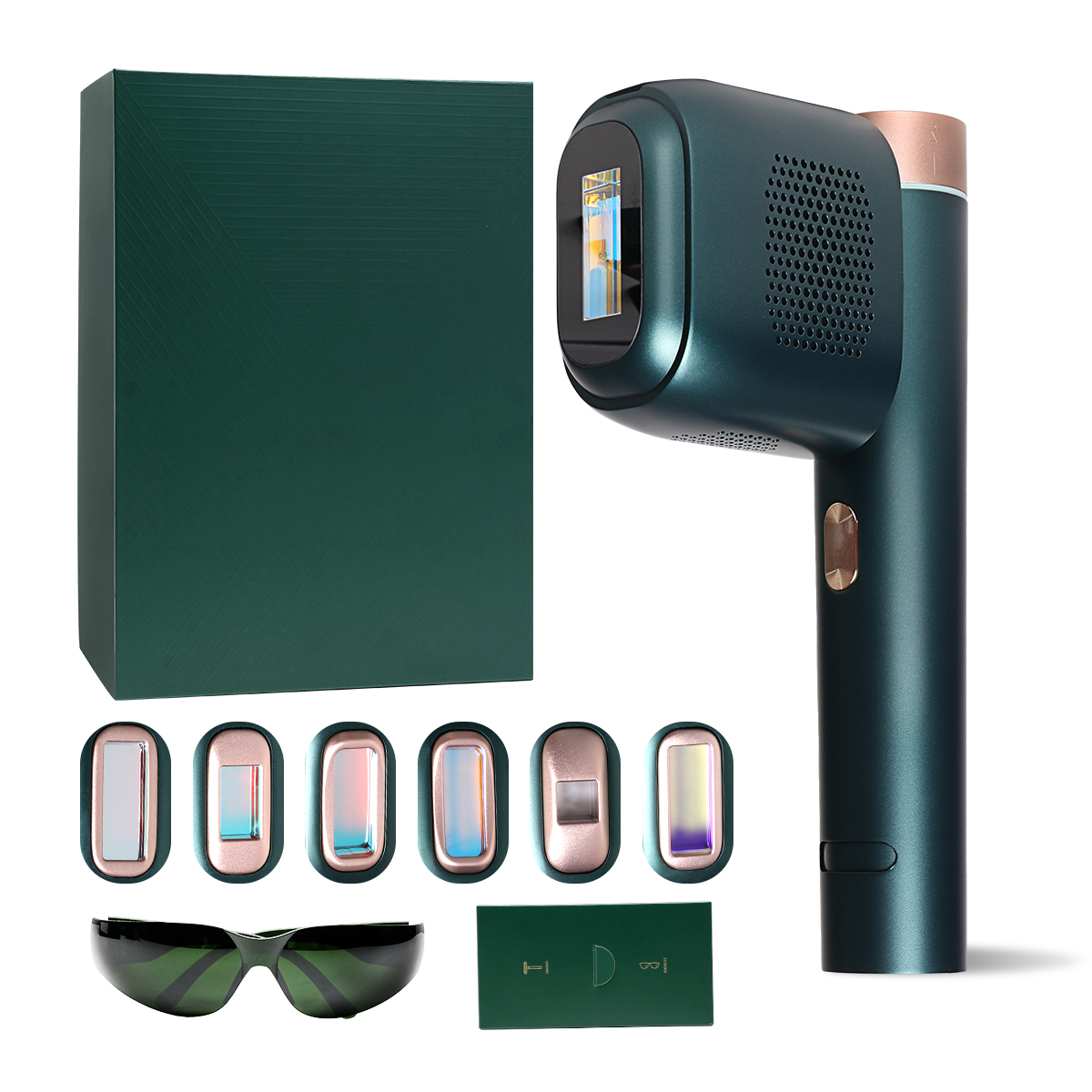
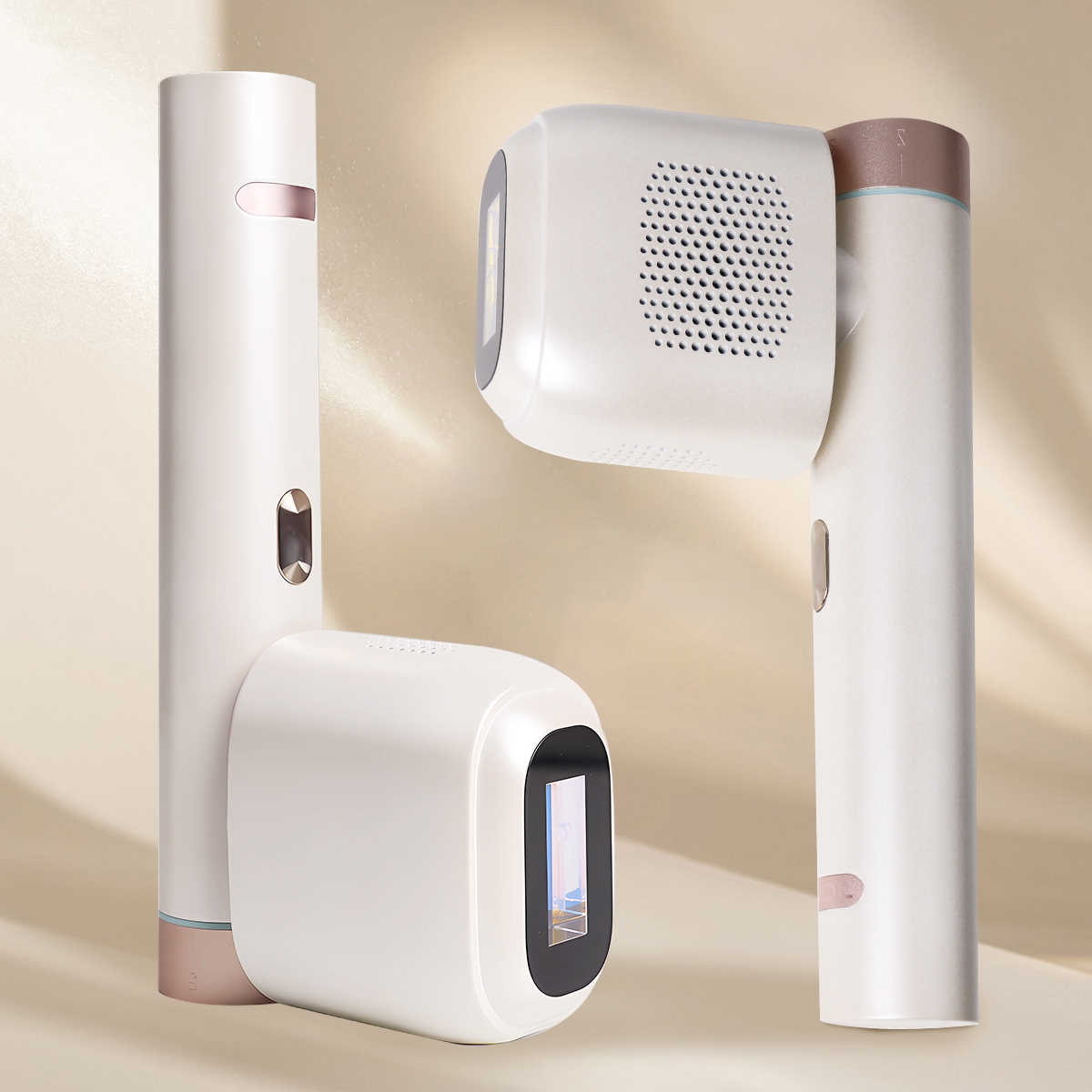
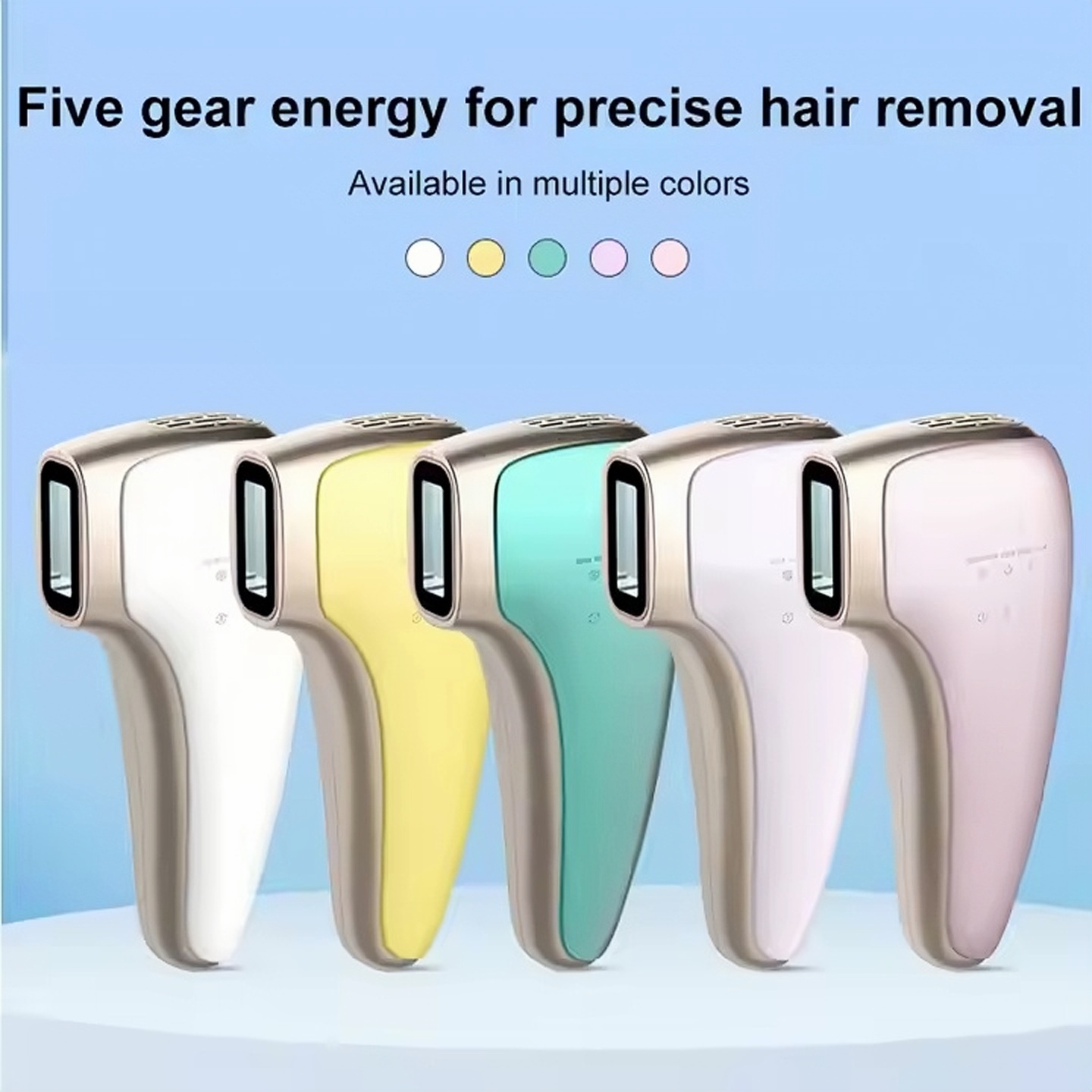
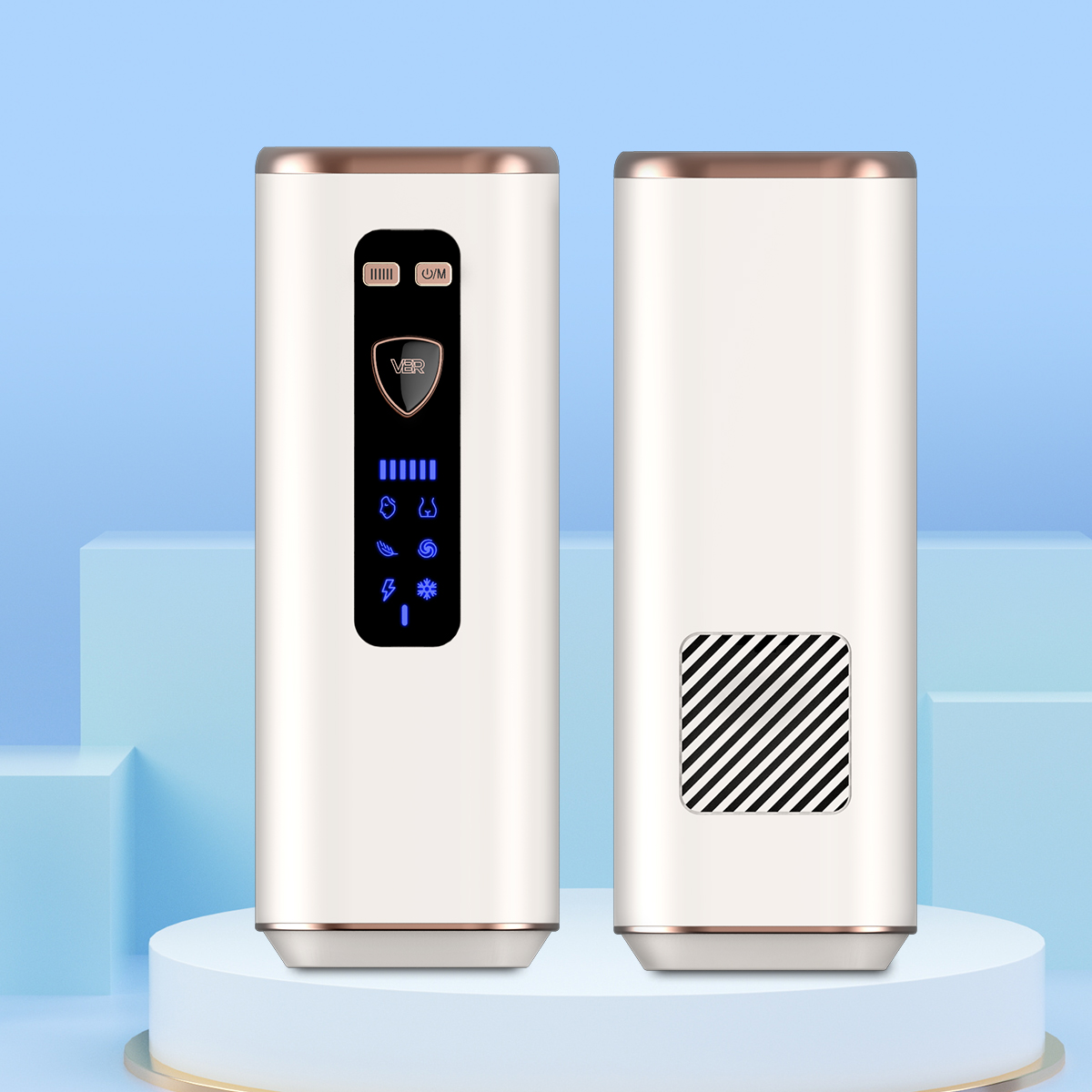
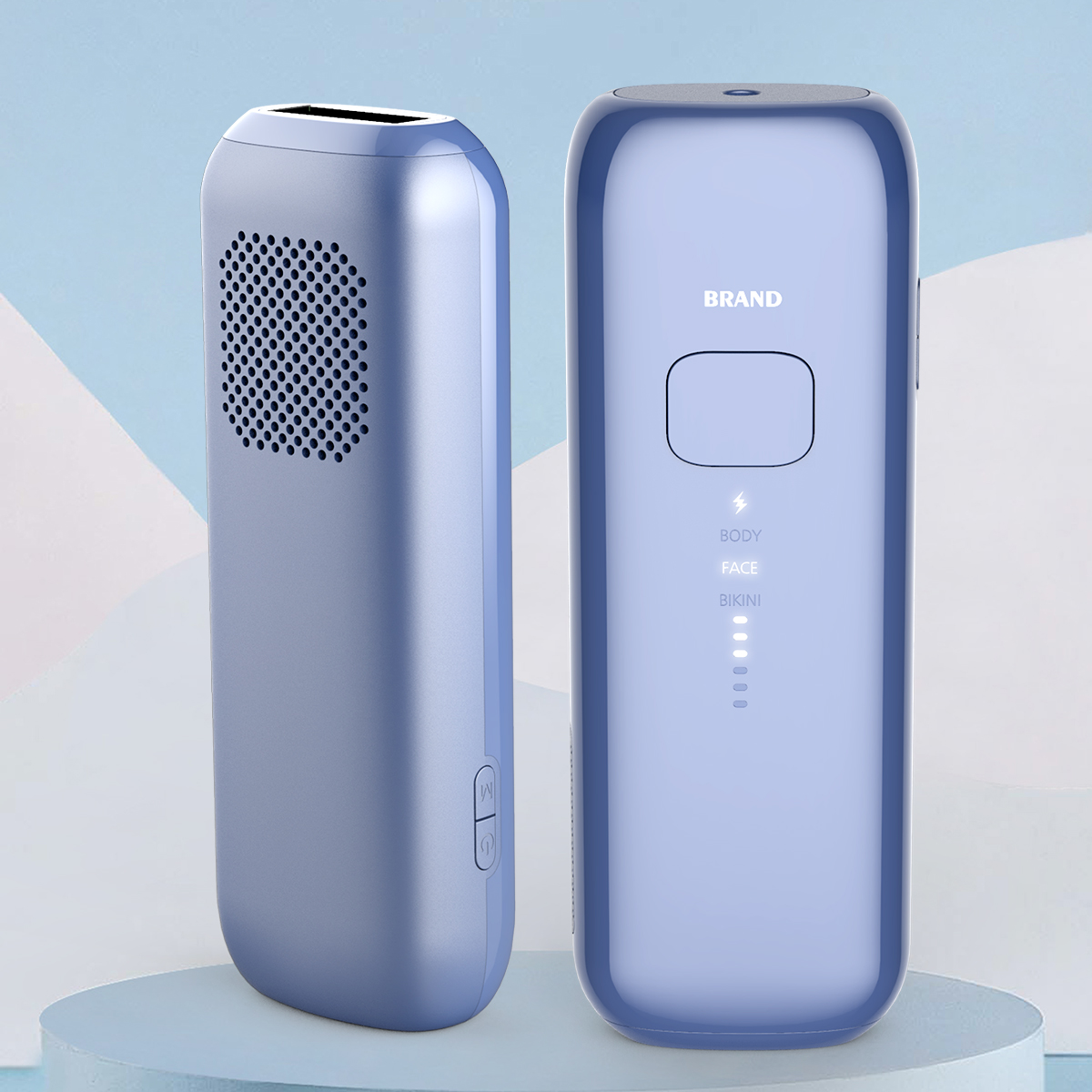
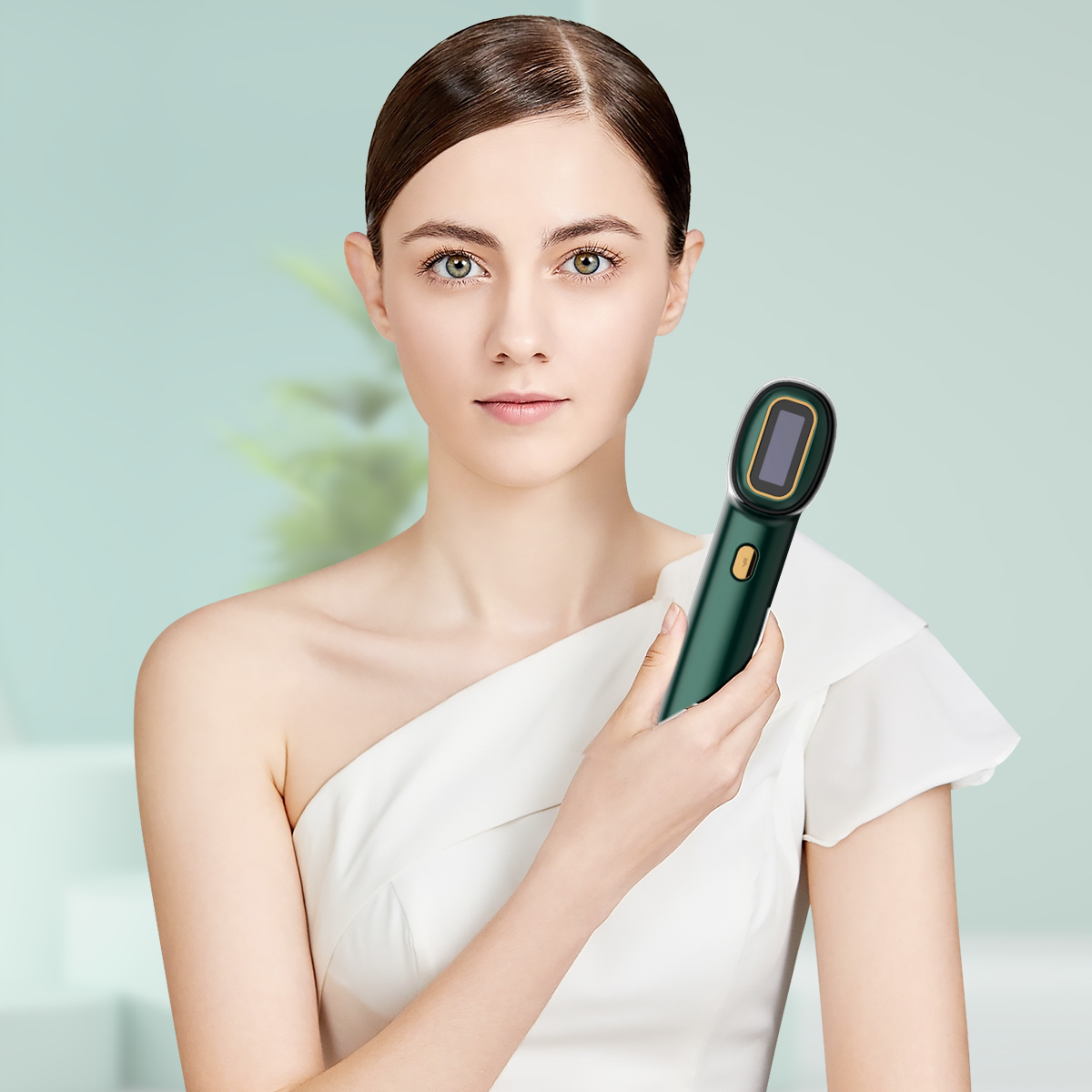
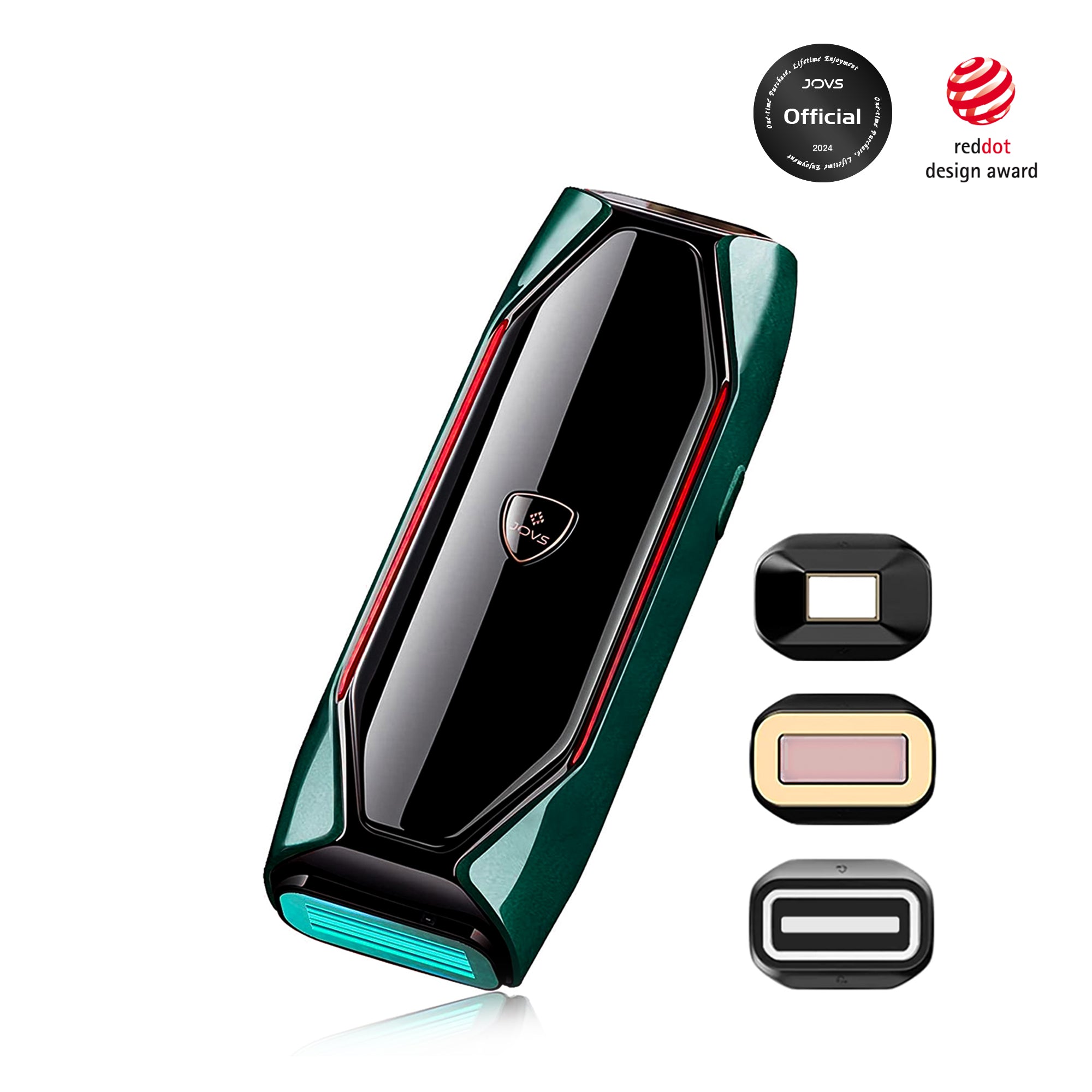
If you’re tired of shaving, waxing, or plucking unwanted hair—and curious about how IPL (
Intense Pulsed Light) hair removal delivers long-lasting smoothness—you’re not alone. IPL has become a go-to
at-home solution for reducing hair growth, but many people wonder:
How exactly does it work? It’s not magic—just science, and it’s simpler than you might think. This guide breaks down IPL hair removal’s mechanism, why it works, and what to expect, so you can use it with confidence.
Before diving into “how it works,” let’s clear up a common confusion: IPL is not the same as laser hair removal. While both target hair follicles to reduce growth, they use different light technologies:
- Laser: Uses a single, focused wavelength of light (e.g., 810nm) that targets melanin (the pigment in hair) with precision. It’s often used in salons but can be harsh for at-home use.
- IPL: Uses a broad spectrum of pulsed light (typically 560–1200nm) that’s gentler, more versatile, and designed for safe at-home operation. It still targets melanin but with a wider range of wavelengths, making it suitable for more skin tones (per the Fitzpatrick scale) and hair types.
The key takeaway: IPL is accessible for home use, less intimidating than laser, and works by a straightforward, science-backed process.
IPL hair removal works by targeting the melanin in hair follicles—the same pigment that gives your hair its color. Here’s a step-by-step breakdown of how it stops hair growth over time:
When you press an IPL device’s light outlet against your skin and trigger a flash, the broad-spectrum light passes through the top layer of your skin (the epidermis). Unlike harsh UV light (which damages skin), IPL is filtered to focus on melanin, so it doesn’t harm surrounding skin cells—this is why it’s safe for at-home use when following instructions.
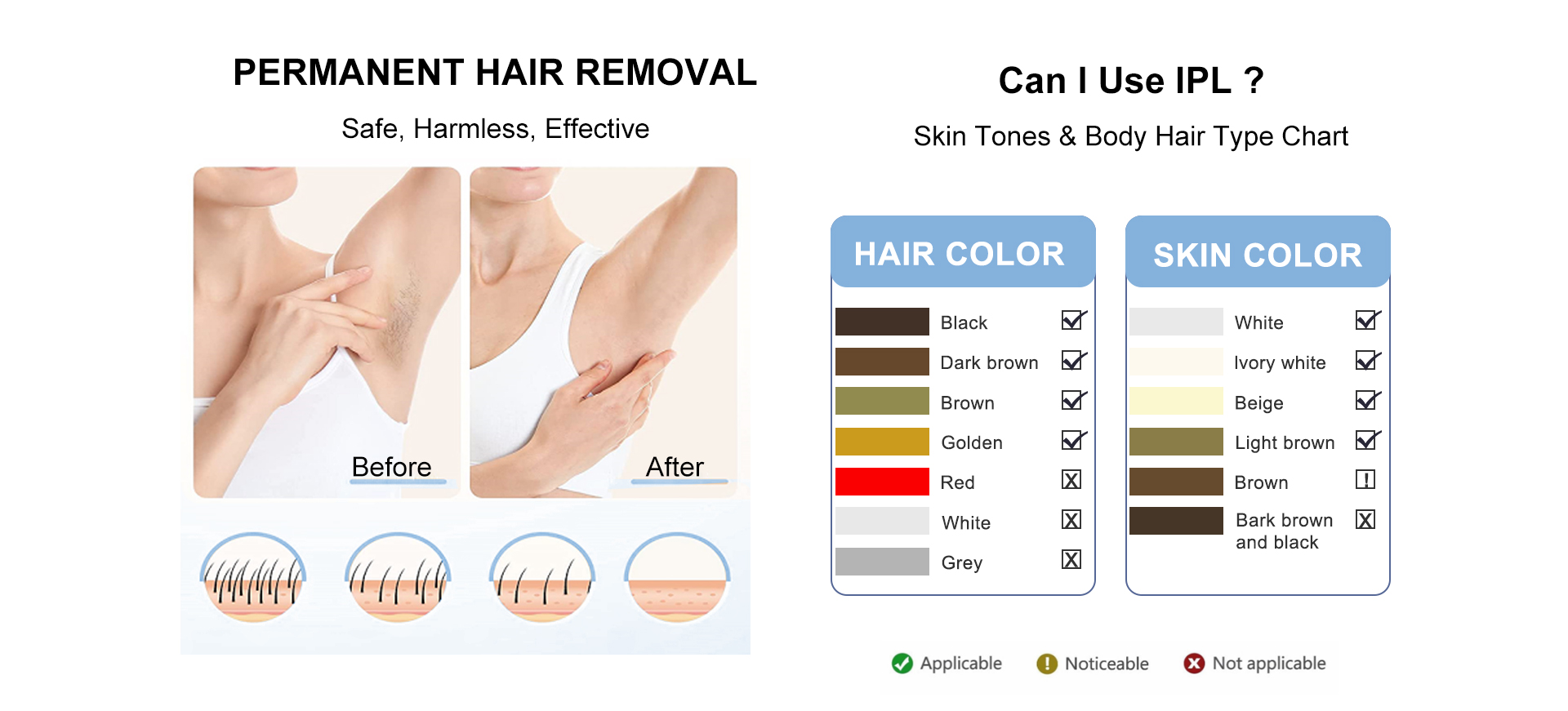
Pro tip: This is why IPL works best on dark hair (brown/black) and lighter skin tones. Hair with little to no melanin (white, gray, blonde, red) can’t absorb the light, so the device won’t be effective.
Once the light reaches the hair follicle (the tiny “root” under your skin that produces new hair), the melanin in the follicle acts like a “sponge”—it absorbs the light energy and converts it into heat. This is the critical “active” step: the heat is what damages the follicle, not the light itself.
Think of it like microwaving popcorn: The microwave’s energy targets the water in popcorn kernels (converting it to heat), which makes them pop. IPL’s light targets melanin in follicles (converting it to heat), which disables hair growth.
The heat from the absorbed light doesn’t burn your skin (thanks to IPL’s gentle pulse and built-in safety features like skin contact sensors or cooling systems). Instead, it heats the follicle just enough to damage its growing cells (called the dermal papilla)—the part of the follicle that supplies nutrients and triggers new hair growth.
This damage is controlled: It’s not permanent destruction (you can still grow hair later if you stop using the device), but it’s enough to “slow down” or “put the follicle to sleep” temporarily. Over time, repeated IPL sessions keep follicles in this “dormant” state, so hair grows back thinner, sparser, and slower.
After an IPL session, the heat also loosens the existing hair shaft (the part you can see above skin). In 1–2 weeks, you’ll notice this hair shedding—this is a sign the treatment worked! The follicle, now damaged, can’t produce new hair as quickly or strongly as before.
With regular use (1–2 sessions per week for 8–12 weeks), you’ll see a dramatic difference: Most users report 90%+ hair reduction—meaning you’ll shave, wax, or pluck far less often. After that, occasional “maintenance sessions” (once a month) keep hair growth in check.
IPL doesn’t work in one session—and that’s because hair grows in cycles. Your hair follicles are always in one of three phases:
- Anagen (growing phase): The follicle is active, and hair is growing. This is when IPL works best—melanin is abundant, so the follicle absorbs more light energy.
- Catagen (transition phase): Hair stops growing, and the follicle shrinks. IPL has little effect here.
- Telogen (resting phase): The old hair falls out, and the follicle rests before starting a new cycle. IPL also has minimal effect here.
Since only 10–15% of your hair is in the anagen phase at any time, you need repeated IPL sessions to target follicles as they enter this active phase. This is why consistency (sticking to a weekly routine) is key to seeing long-lasting results.
Now that you know how IPL works, let’s clear up a few myths that might hold you back:
- Myth 1: IPL is permanent hair removal.
Fact: It’s “long-term hair reduction,” not permanent. If you stop using the device, follicles will eventually wake up, and hair will grow back—but it may take 6+ months.
Fact: Most users describe it as a “mild warming” or “tingling” sensation (like a rubber band snap, but softer). At-home IPL devices often have cooling systems (e.g., sapphire ice-cooling) to reduce discomfort.
- Myth 3: IPL works on all hair/skin types.
Fact: It works best on dark hair (brown/black) and light to medium skin tones (Fitzpatrick I–IV). It won’t work on white, gray, blonde, or red hair, and darker skin tones (V–VI) may be at risk of pigmentation.
If you have dark hair, light to medium skin, and want to reduce hair growth without frequent shaving or waxing—yes! IPL is safe, effective, and easy to use at home. Just remember:
- Follow the device’s instructions (always do a patch test first!).
- Be consistent with your sessions.
- Avoid sun exposure 48 hours before/after use (sunburned skin is more sensitive to IPL).
At its core, IPL hair removal is simple science: It uses light energy to target melanin in hair follicles, convert that energy to heat, and slow down hair growth over time. It’s not instant, but it’s far more convenient and long-lasting than traditional hair removal methods.
Now that you know “how it works,” you can use your IPL device with confidence—knowing every flash is a step toward smoother, less high-maintenance skin.