





1. Waxing
How Waxing Works
Benefits
- Long-Lasting Results: Waxing removes hair from the root, providing results that last 3-6 weeks.
- Smooth Skin: Waxing exfoliates the skin, leaving it smooth and soft.
- Suitable for All Hair Types: Waxing works on all hair types and colors.
Drawbacks (continued)
- Pain: The process can be painful, especially for those with sensitive skin.
- Potential for Ingrown Hairs: Improper technique or aftercare can lead to ingrown hairs.
- Skin Irritation: Some individuals may experience redness, swelling, or irritation after waxing.
2. Sugaring
How Sugaring Works
Benefits
- Natural Ingredients: Sugaring uses natural ingredients, making it a gentler option for sensitive skin.
- Less Painful: Many people find sugaring less painful than waxing.
- Exfoliation: Sugaring exfoliates the skin, leaving it smooth and soft.
Drawbacks
- Temporary Results: Like waxing, sugaring provides temporary results, and hair will eventually regrow.
- Potential for Ingrown Hairs: Improper technique or aftercare can lead to ingrown hairs.
- Time-Consuming: The process can be time-consuming, especially for larger areas.
3. Epilators
How Epilators Work
Benefits
- Long-Lasting Results: Hair removal lasts longer than shaving, typically up to four weeks.
- Cost-Effective: Epilators are a one-time purchase and can be used repeatedly.
- Suitable for All Hair Types: Epilators work on all hair types and colors.
Drawbacks
- Pain: The process can be painful, especially for those with low pain tolerance.
- Potential for Ingrown Hairs: Improper use can lead to ingrown hairs.
- Time-Consuming: Epilating larger areas can be time-consuming.
4. Depilatory Creams
How Depilatory Creams Work
Benefits
- Painless: Depilatory creams provide a painless hair removal option.
- Quick: The process is fast, typically taking only a few minutes.
- Suitable for All Hair Types: Depilatory creams work on all hair types and colors.
Drawbacks
- Temporary Results: Hair regrowth occurs within a few days to a week.
- Chemical Sensitivity: Some individuals may experience skin irritation or allergic reactions.
- Odor: Depilatory creams often have a strong, unpleasant odor.
5. Threading
How Threading Works
Benefits
- Precision: Threading allows for precise shaping, making it ideal for eyebrows.
- Gentle on Skin: Threading is less likely to cause irritation compared to waxing.
- No Chemicals: Threading does not involve the use of chemicals, making it suitable for sensitive skin.
Drawbacks
- Pain: The process can be painful, especially for those with low pain tolerance.
- Time-Consuming: Threading larger areas can be time-consuming.
- Skill Required: Proper technique is essential to avoid skin irritation or hair breakage.
6. Laser Hair Removal
How Laser Hair Removal Works
Benefits
- Long-Term Results: Laser hair removal can provide long-term hair reduction, with some individuals experiencing permanent results.
- Suitable for Large Areas: Laser hair removal is effective for larger areas such as legs, back, and arms.
- Reduced Hair Growth: Regular treatments can lead to finer and sparser hair regrowth.
Drawbacks
- Cost: Laser hair removal can be expensive, especially professional treatments.
- Skin Type Limitations: Laser hair removal is most effective on dark hair and light skin. It may not work well on blonde, red, or gray hair.
- Multiple Sessions Required: Achieving optimal results requires multiple sessions over several months.
Tips for Safe and Effective Hair Removal
Patch Test: Perform a patch test before using any new hair removal product or method to check for potential allergic reactions or skin sensitivities.
Exfoliate Regularly: Gentle exfoliation helps prevent ingrown hairs and keeps skin smooth between hair removal sessions.
Moisturize: Keep your skin well-hydrated to reduce irritation and promote overall skin health.
Timing Matters: Consider your schedule and upcoming events when choosing a hair removal method. Some techniques may cause temporary redness or irritation.
Consult a Professional: For methods like laser hair removal or electrolysis, consider consulting a dermatologist or licensed aesthetician for best results and safety.
7. Electrolysis
How Electrolysis Works
Electrolysis is a method of permanent hair removal that uses an electric current to destroy hair follicles. A thin needle is inserted into each hair follicle, and an electric current is applied to prevent future hair growth.
Benefits:
- Permanent Results: Electrolysis is the only FDA-approved method for permanent hair removal.
- Suitable for All Hair Types: Effective on all hair colors and types, including light or gray hair.
- Precise: Can target individual hairs, making it ideal for small areas or facial hair.
Drawbacks:
- Time-Consuming: Treating larger areas can be very time-intensive.
- Cost: Multiple sessions are required, which can be expensive over time.
- Discomfort: Some people may find the process uncomfortable or slightly painful.
8. IPL (Intense Pulsed Light) Devices
How IPL Works
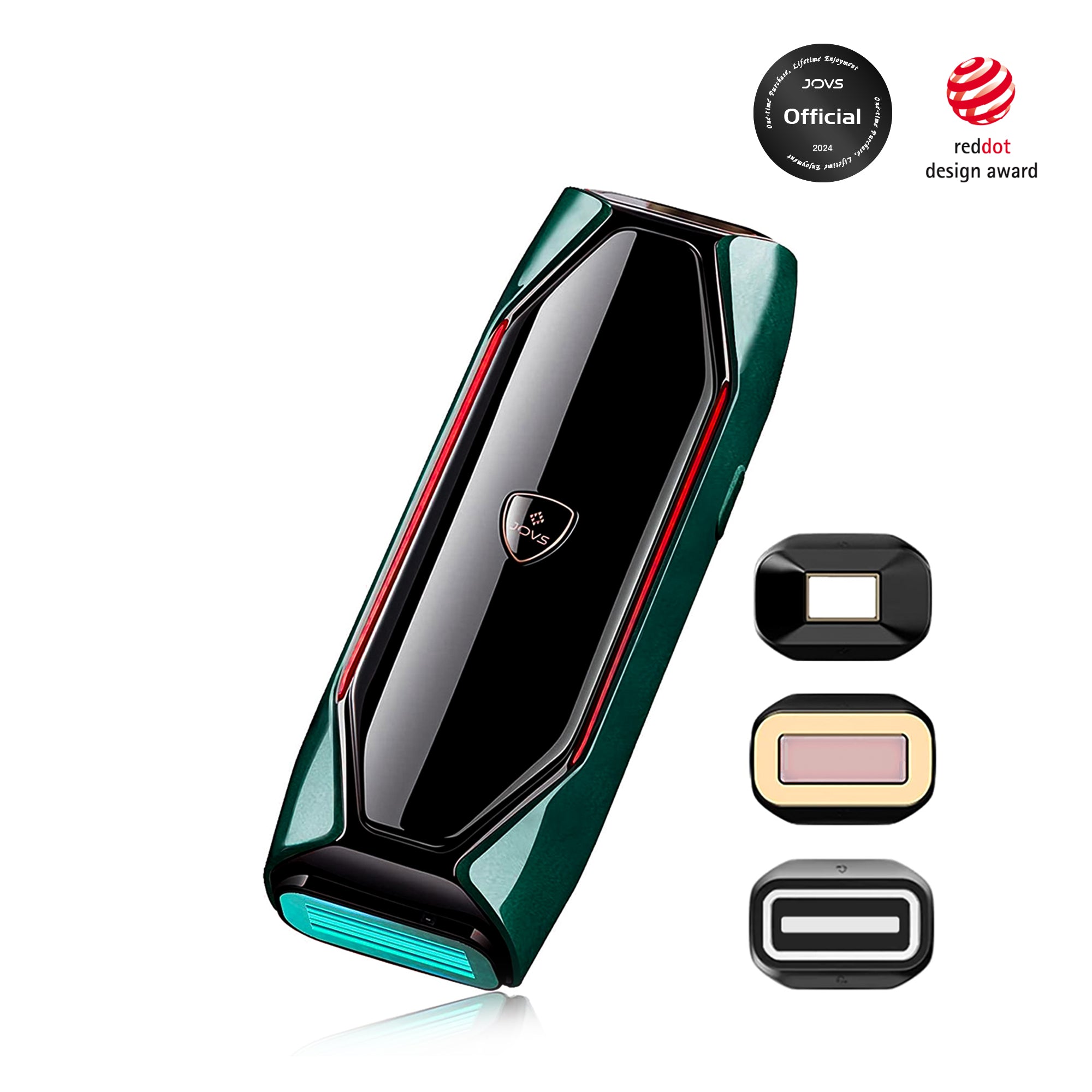
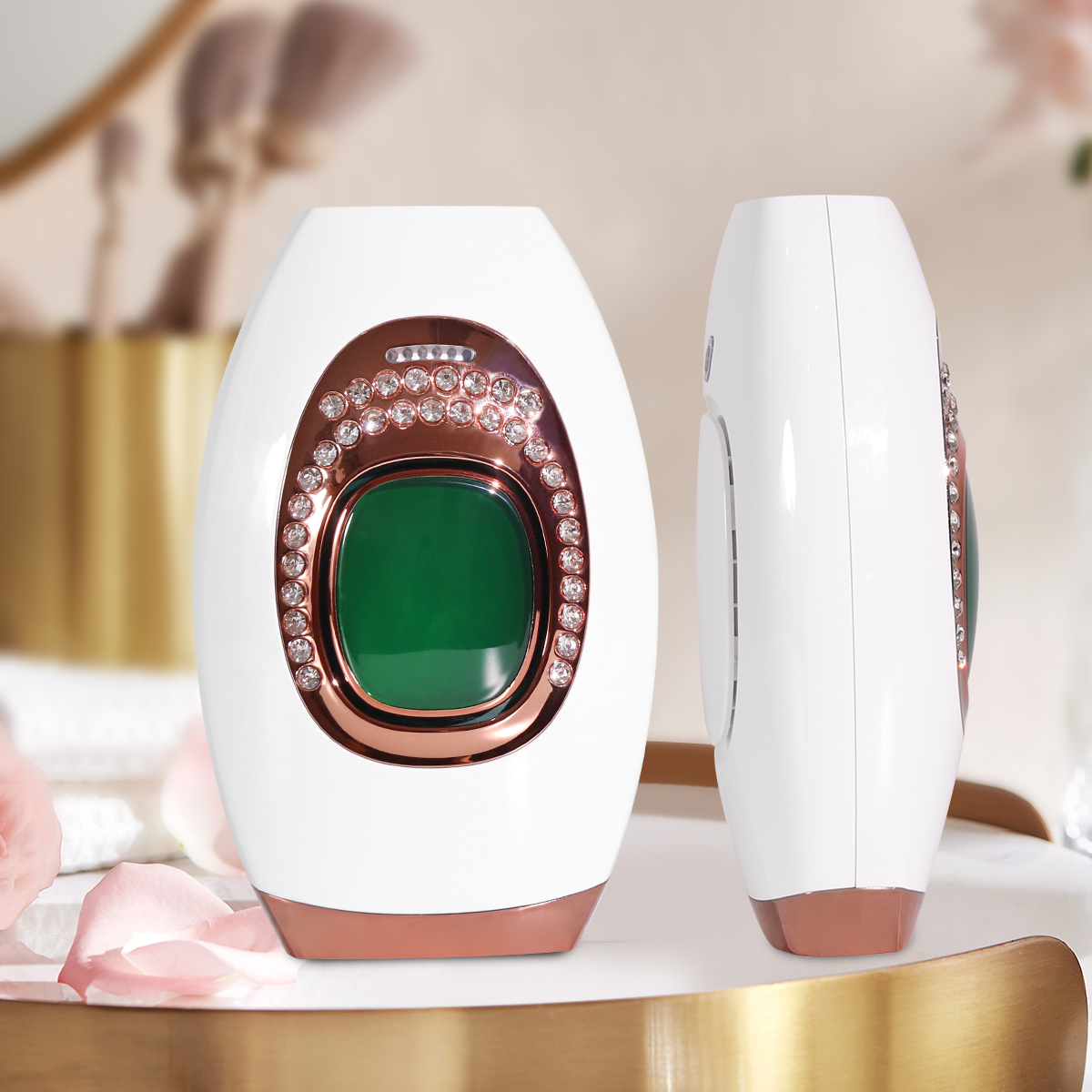
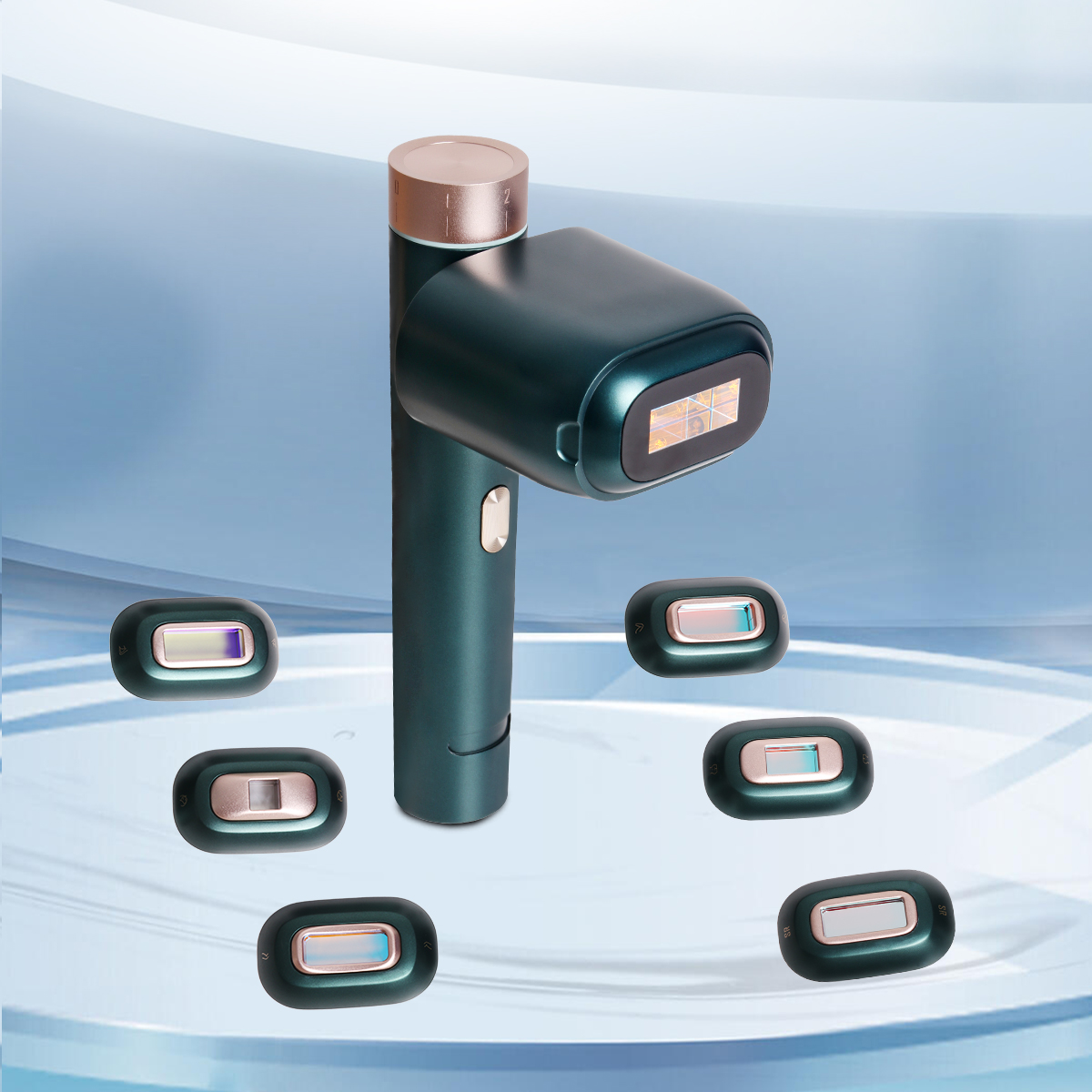
IPL devices use broad-spectrum light to target hair follicles, similar to laser hair removal. The light is absorbed by the pigment in the hair, converting to heat and damaging the follicle to inhibit regrowth.
Benefits:
- At-Home Option: Many IPL devices are designed for home use, offering convenience and cost savings over time.
- Large Area Coverage: IPL can treat larger areas quickly.
- Gradual Hair Reduction: With regular use, IPL can lead to significant hair reduction.
Drawbacks:
- Limited Effectiveness: Like laser hair removal, IPL works best on dark hair and light skin.
- Time Commitment: Regular treatments are necessary for optimal results.
- Potential for Skin Irritation: Some users may experience temporary redness or irritation.
9. Natural Hair Growth Inhibitors
How Natural Inhibitors Work
Some natural ingredients are believed to slow hair growth or make hair less noticeable over time. While not as immediate or dramatic as other methods, they can be a gentle, long-term approach to hair management.
Examples include:
- Turmeric Paste: A mixture of turmeric and water applied to the skin may help slow hair growth.
- Papaya and Turmeric Mask: Papaya contains enzymes that may weaken hair follicles over time.
- Spearmint Tea: Drinking spearmint tea regularly may help reduce unwanted hair growth in women with hirsutism.
Benefits:
- Natural and Gentle: These methods use natural ingredients that are generally safe for most skin types.
- Cost-Effective: Many of these ingredients are readily available and inexpensive.
- Multifunctional: Many natural remedies offer additional skincare benefits beyond hair growth inhibition.
Drawbacks:
- Slow Results: These methods require consistent, long-term use to see any noticeable effects.
- Limited Scientific Evidence: While some people report success, there's limited scientific research supporting the effectiveness of these methods.
- Potential for Skin Reactions: Even natural ingredients can cause allergic reactions in some individuals.
Conclusion
Call to Action:
Have you tried any of these hair removal alternatives? We'd love to hear about your experiences! Share your thoughts in the comments below, or reach out to us with any questions about finding the best hair removal method for you. Remember, smooth, hair-free skin is just one option – embracing your natural hair is equally valid and beautiful!