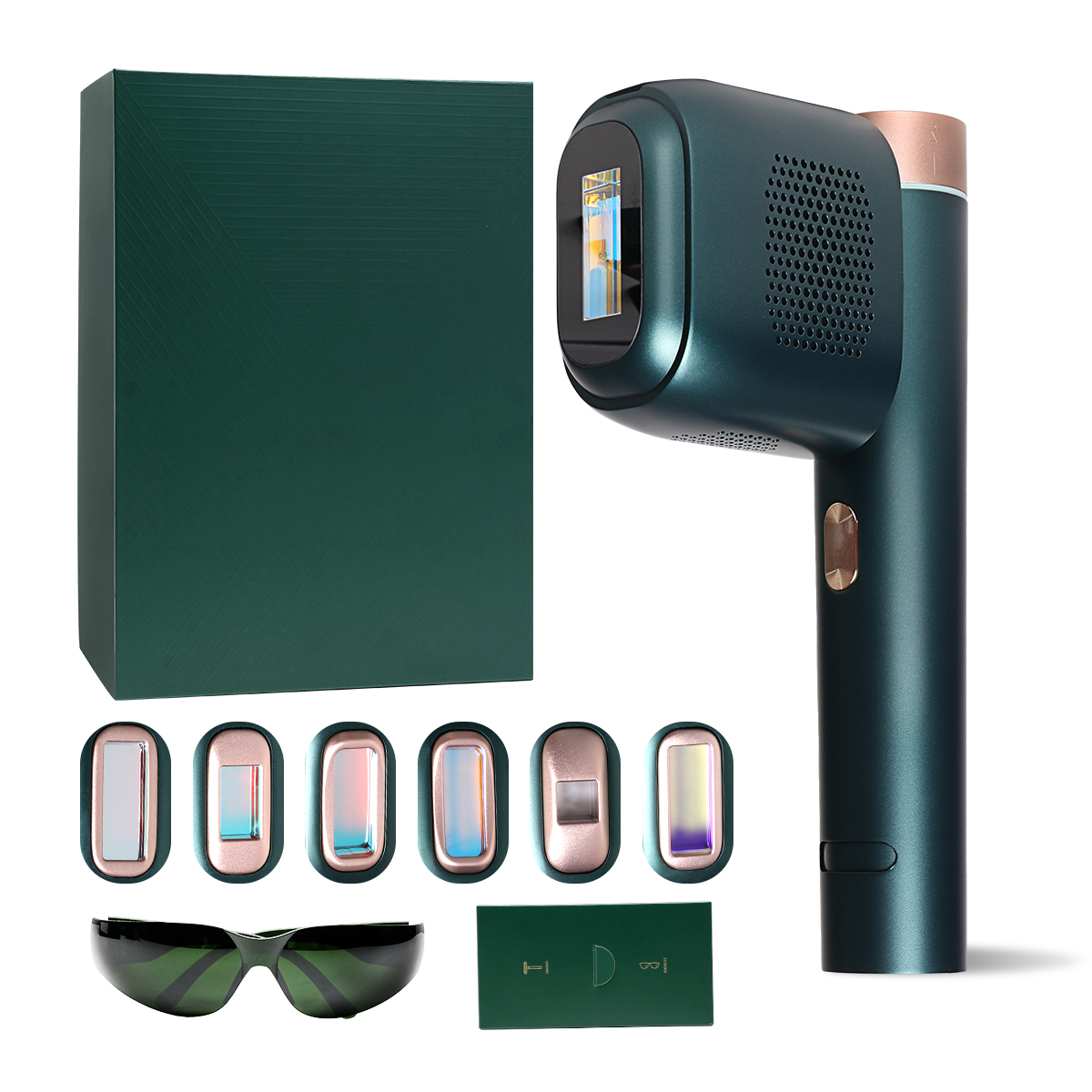
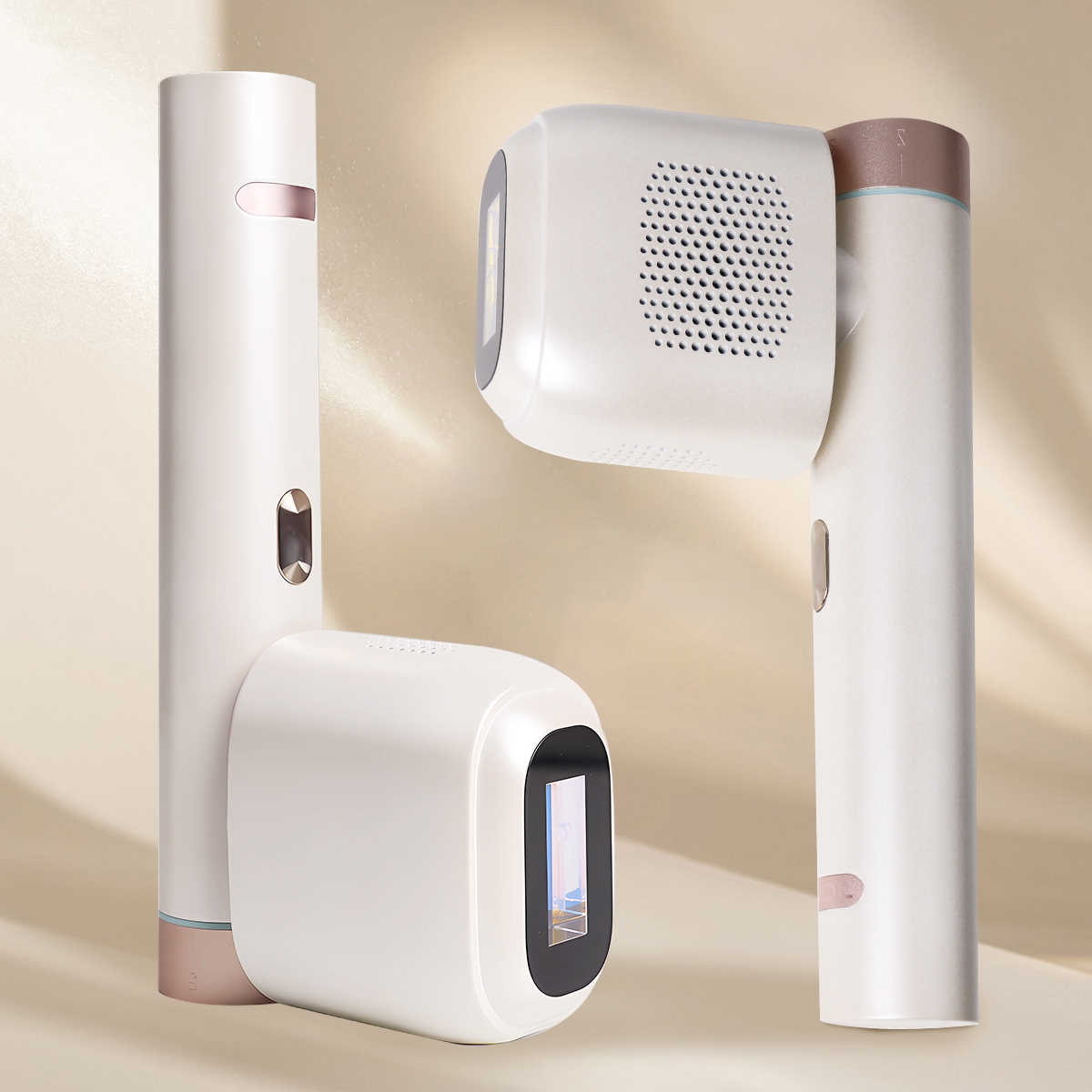
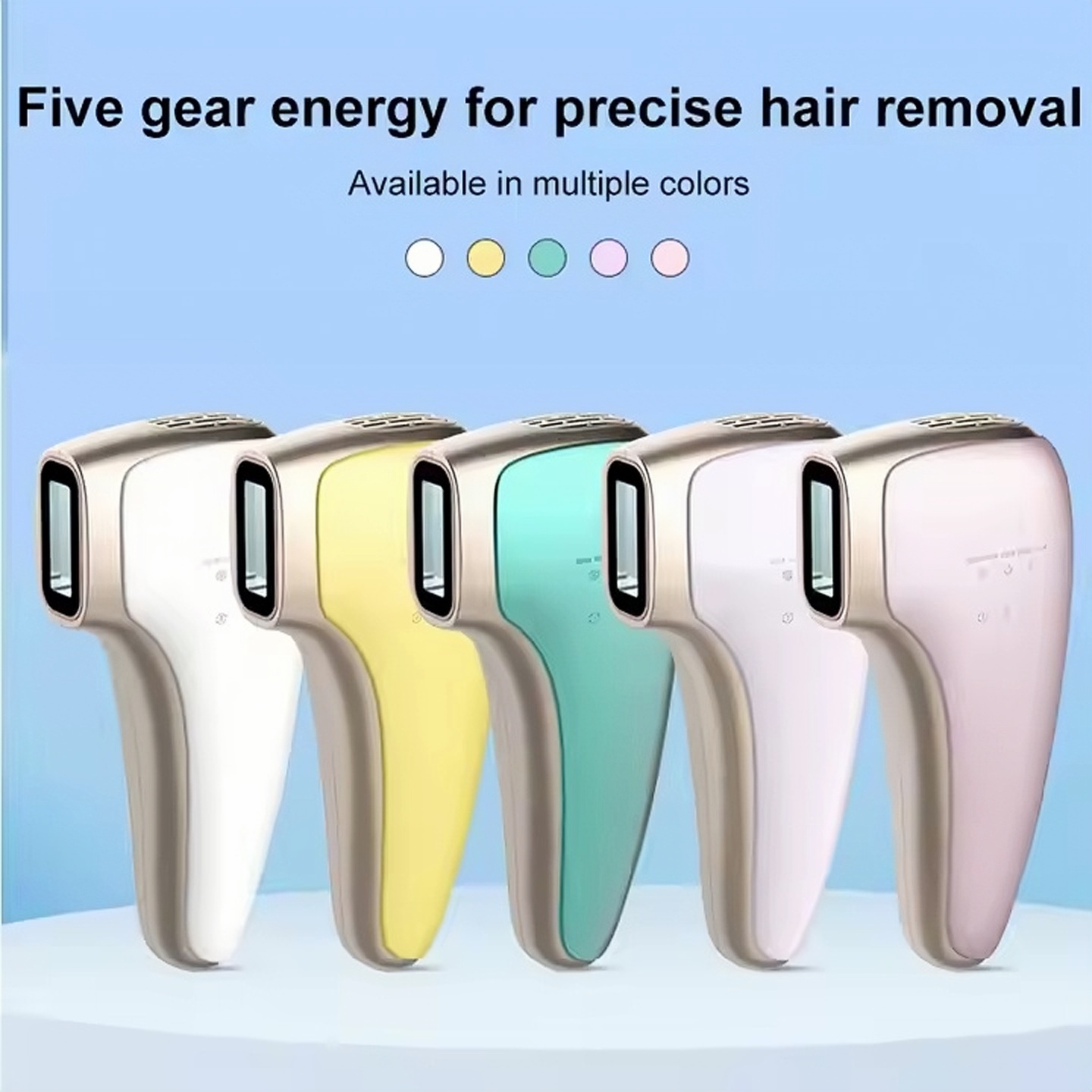
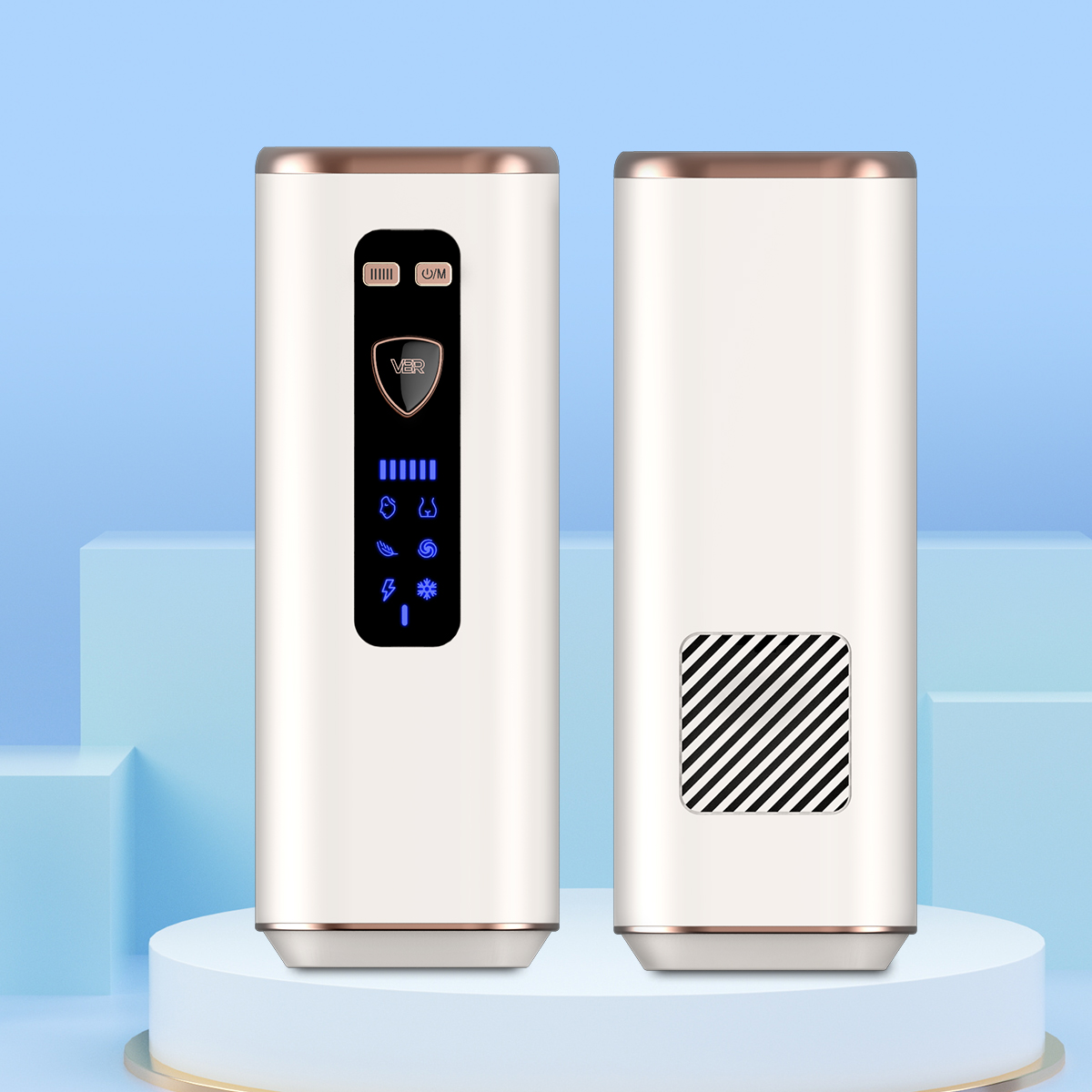
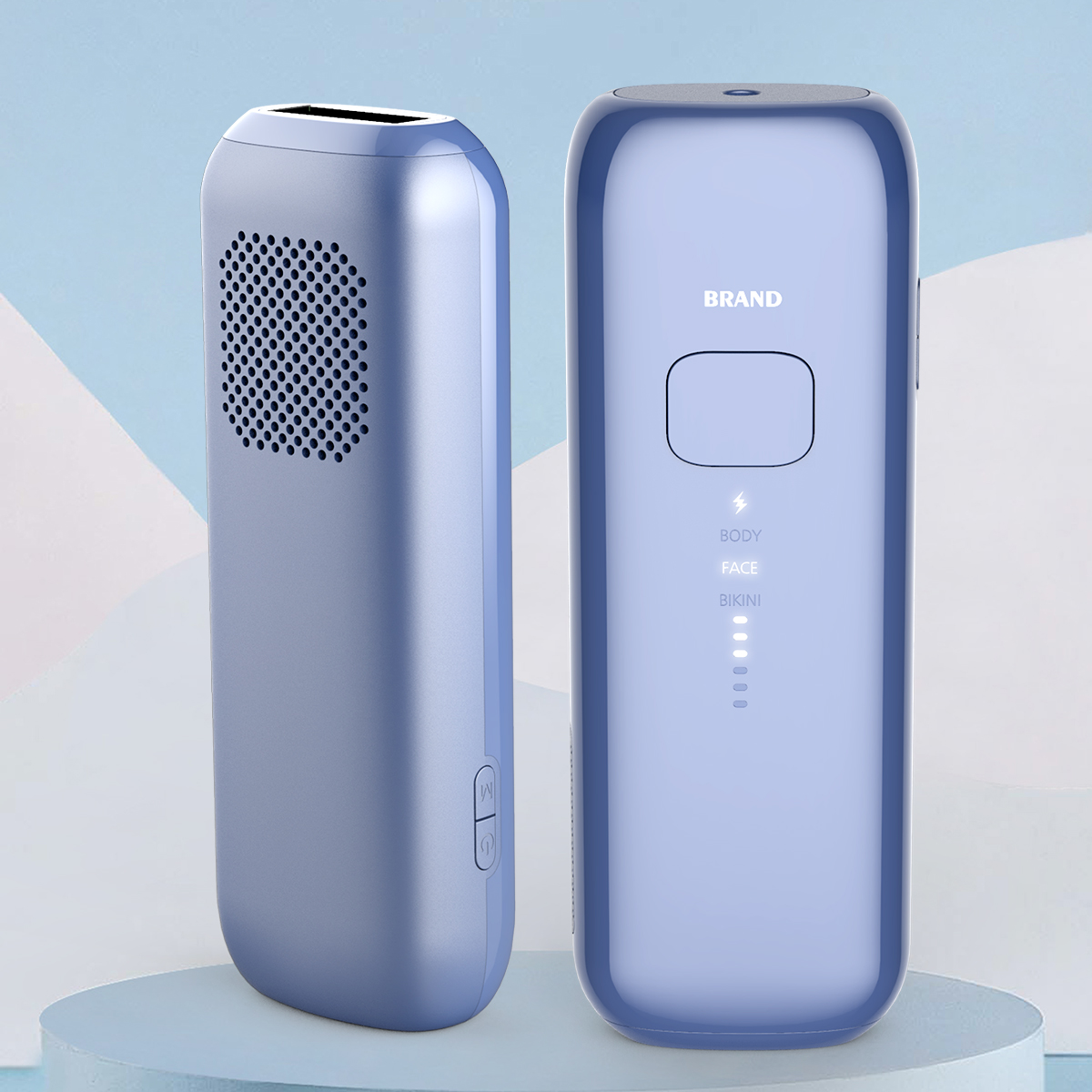
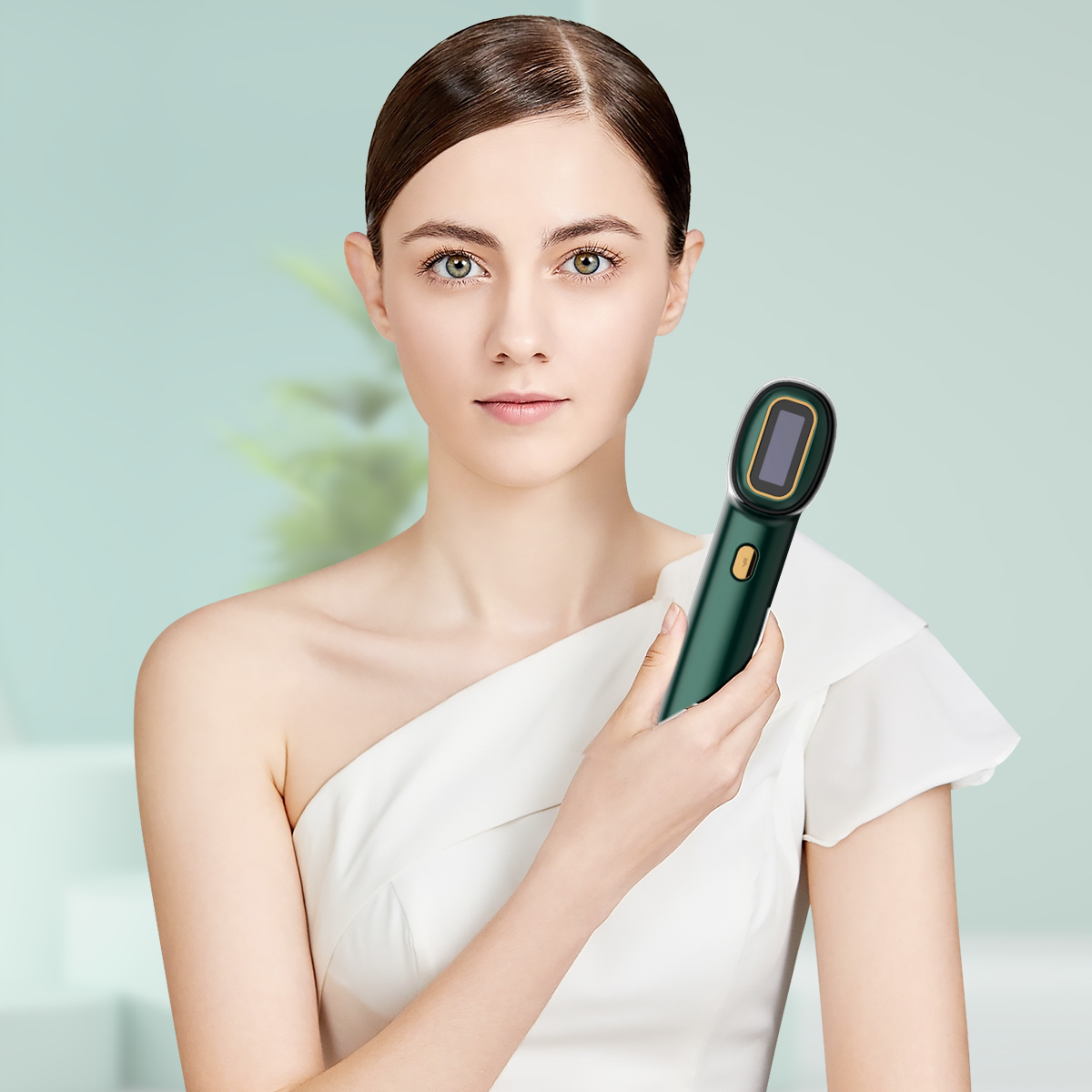
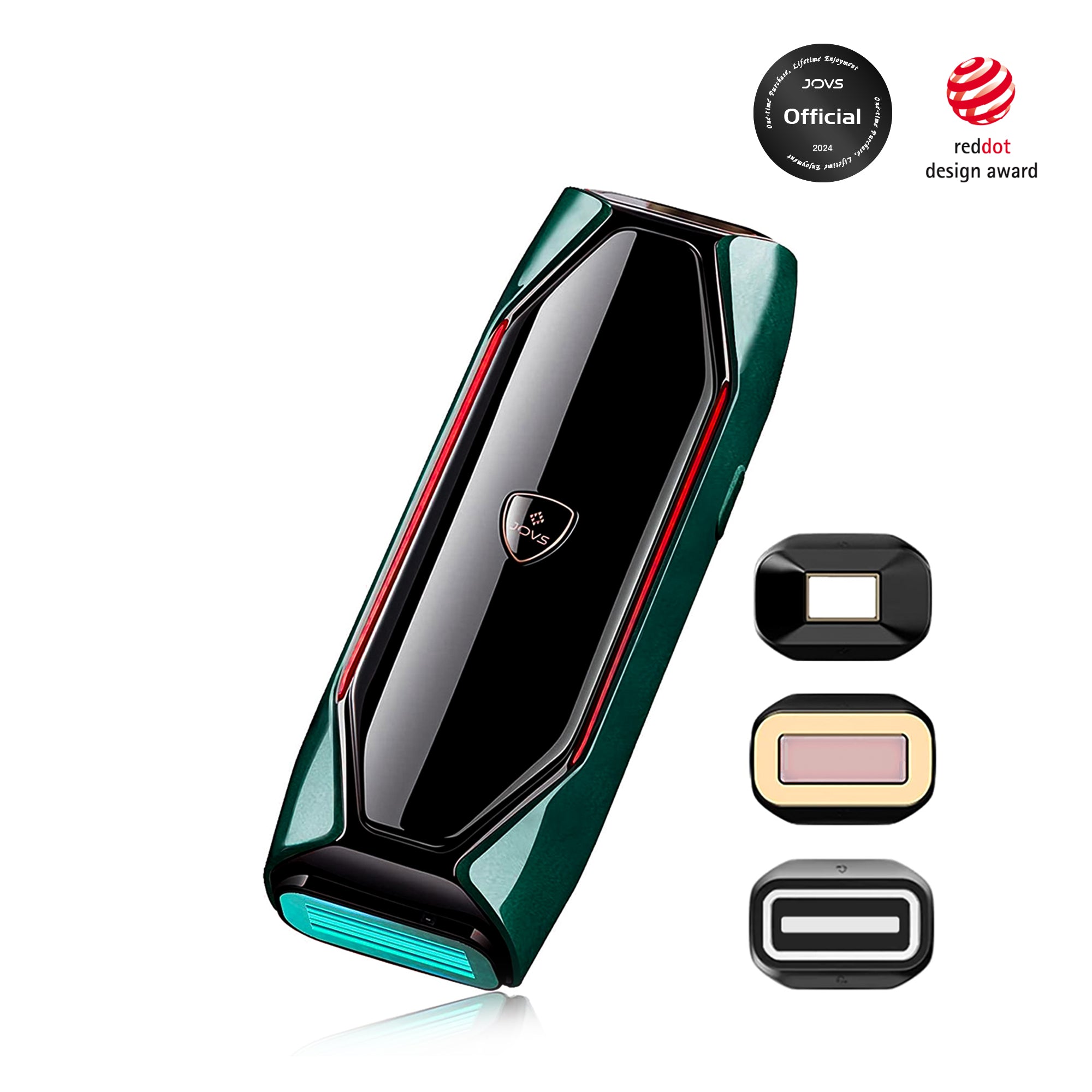
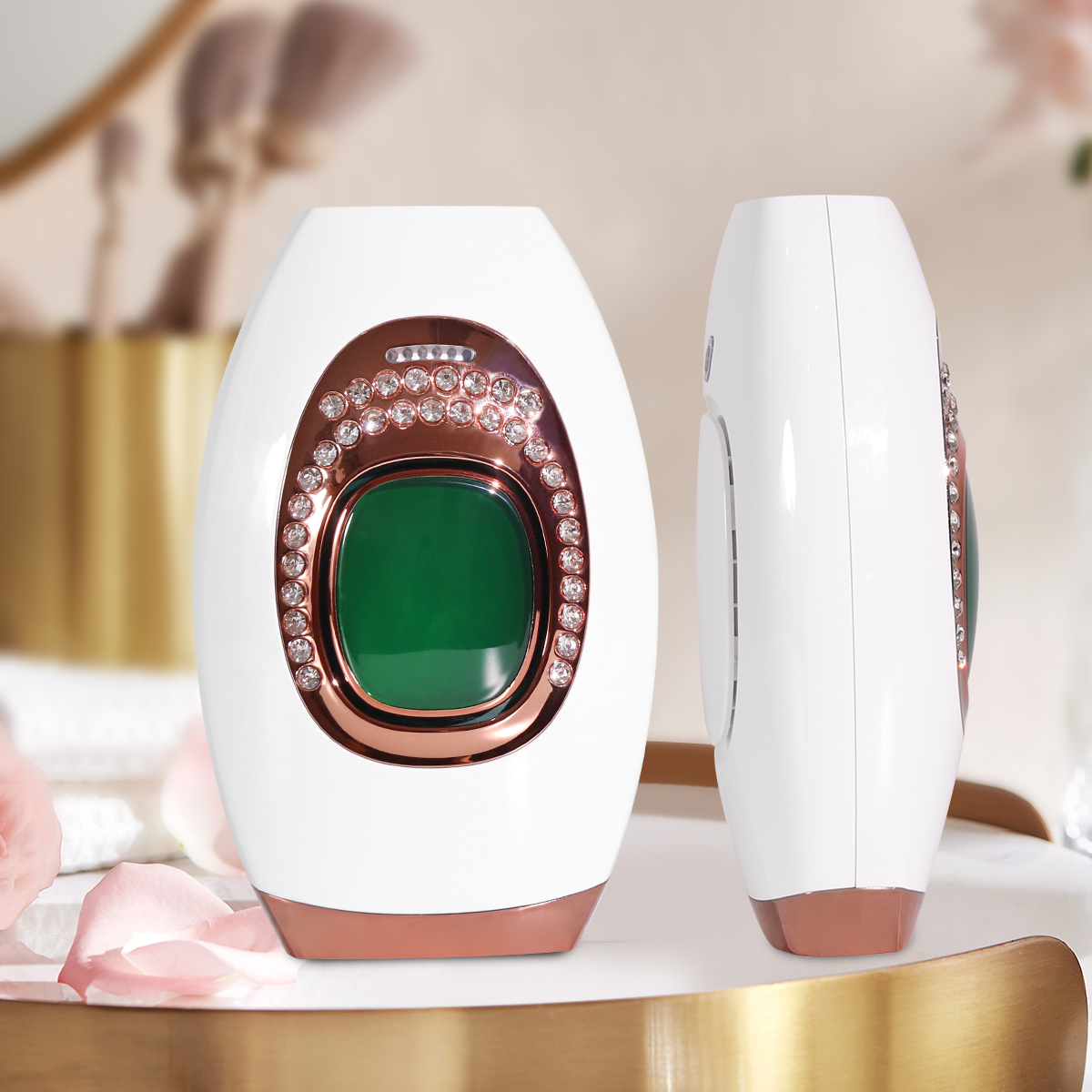
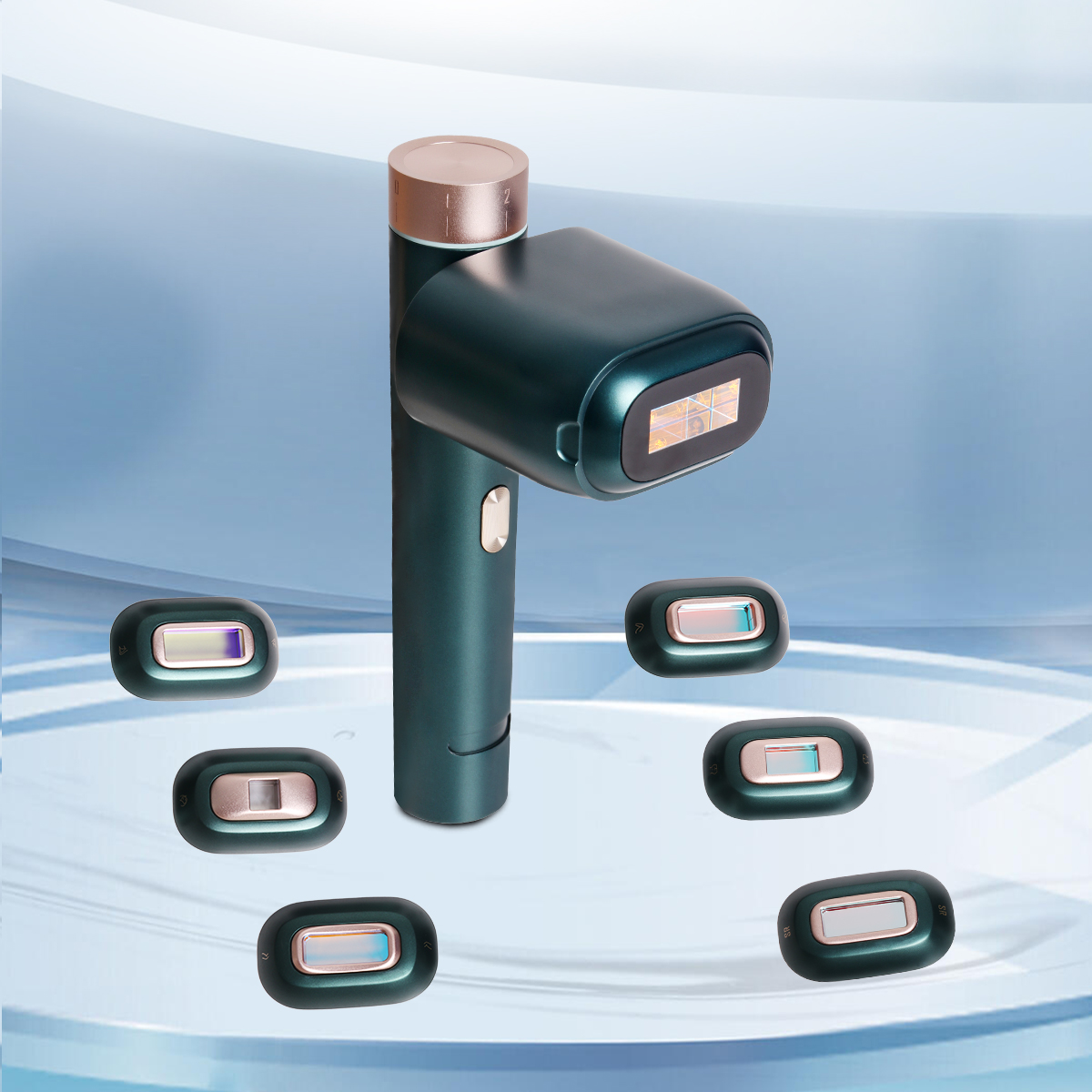
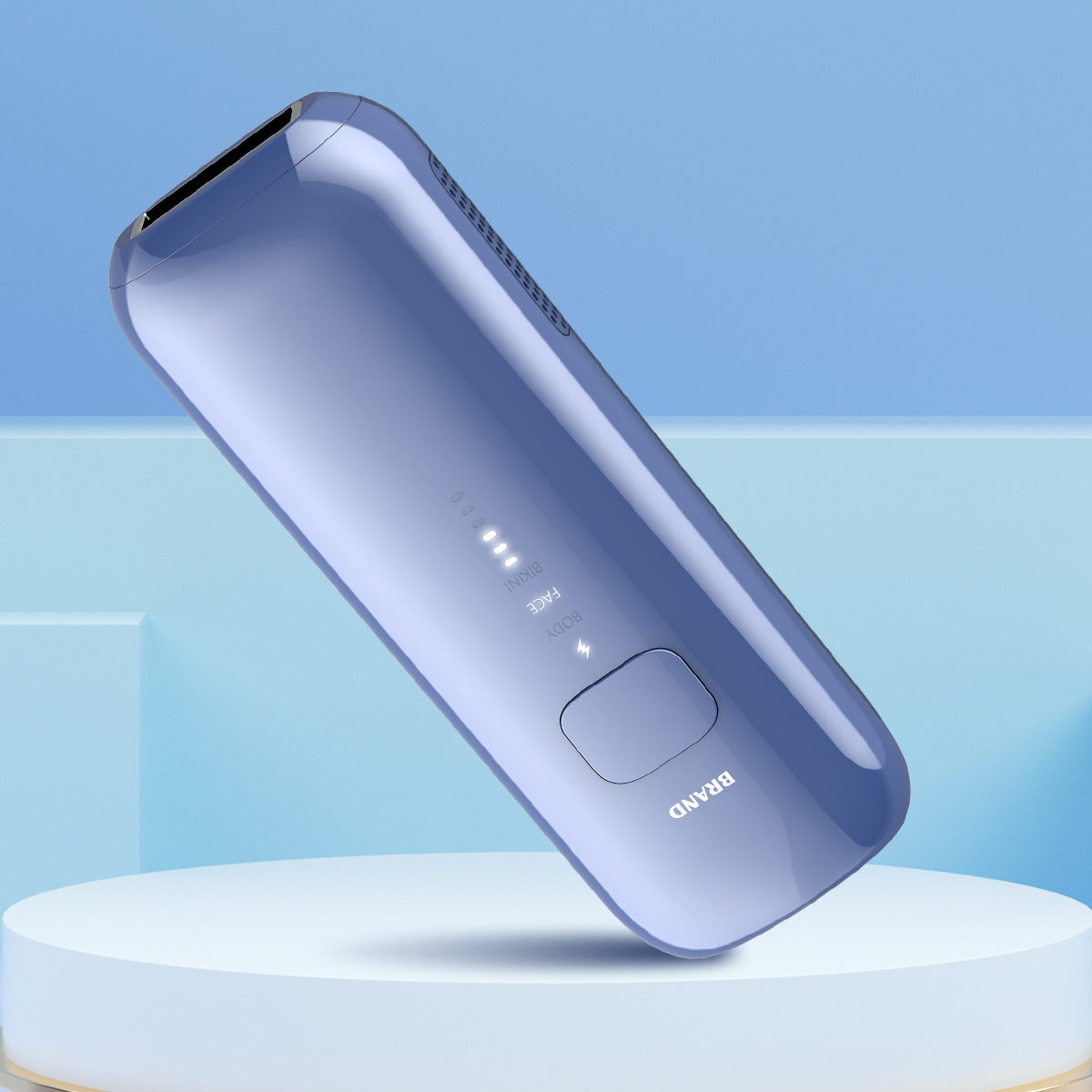
Intense Pulsed Light (IPL) hair removal has surged in popularity as a convenient, at-home alternative to laser treatments. But does it truly deliver lasting results? Let’s explore the science, benefits, and limitations of IPL technology.

How Does IPL Work?
IPL uses broad-spectrum light to target melanin in hair follicles. The light converts to heat, damaging follicles to inhibit future growth. Unlike lasers (which use a single wavelength), IPL emits multiple wavelengths, making it versatile but slightly less focused.
Effectiveness of IPL
Clinical studies indicate IPL can reduce hair growth by 70–90% after 6–12 sessions, depending on skin tone, hair color, and device quality. It works best on individuals with light-to-medium skin and dark hair, as the contrast allows melanin to absorb light efficiently. Those with blonde, gray, or red hair may see limited results.
Pros and Cons
Pros:
- Non-invasive, with minimal downtime.
- Cost-effective compared to professional laser treatments.
- Gradual, long-lasting reduction with consistent use.
Cons:
- Requires multiple sessions for optimal results.
- Less effective on darker skin tones due to melanin absorption risks.
- Results vary; maintenance sessions are often needed.
Safety Considerations
IPL is generally safe when used correctly. Side effects may include temporary redness or mild irritation. Avoid IPL if pregnant, using photosensitive medications, or having very dark skin/tattoos in the treatment area.
Conclusion
IPL hair removal is effective for suitable candidates, offering a balance between affordability and convenience. While not permanent, regular treatments can lead to significant, long-term reduction. Always consult a dermatologist to determine if IPL aligns with your skin type and goals.