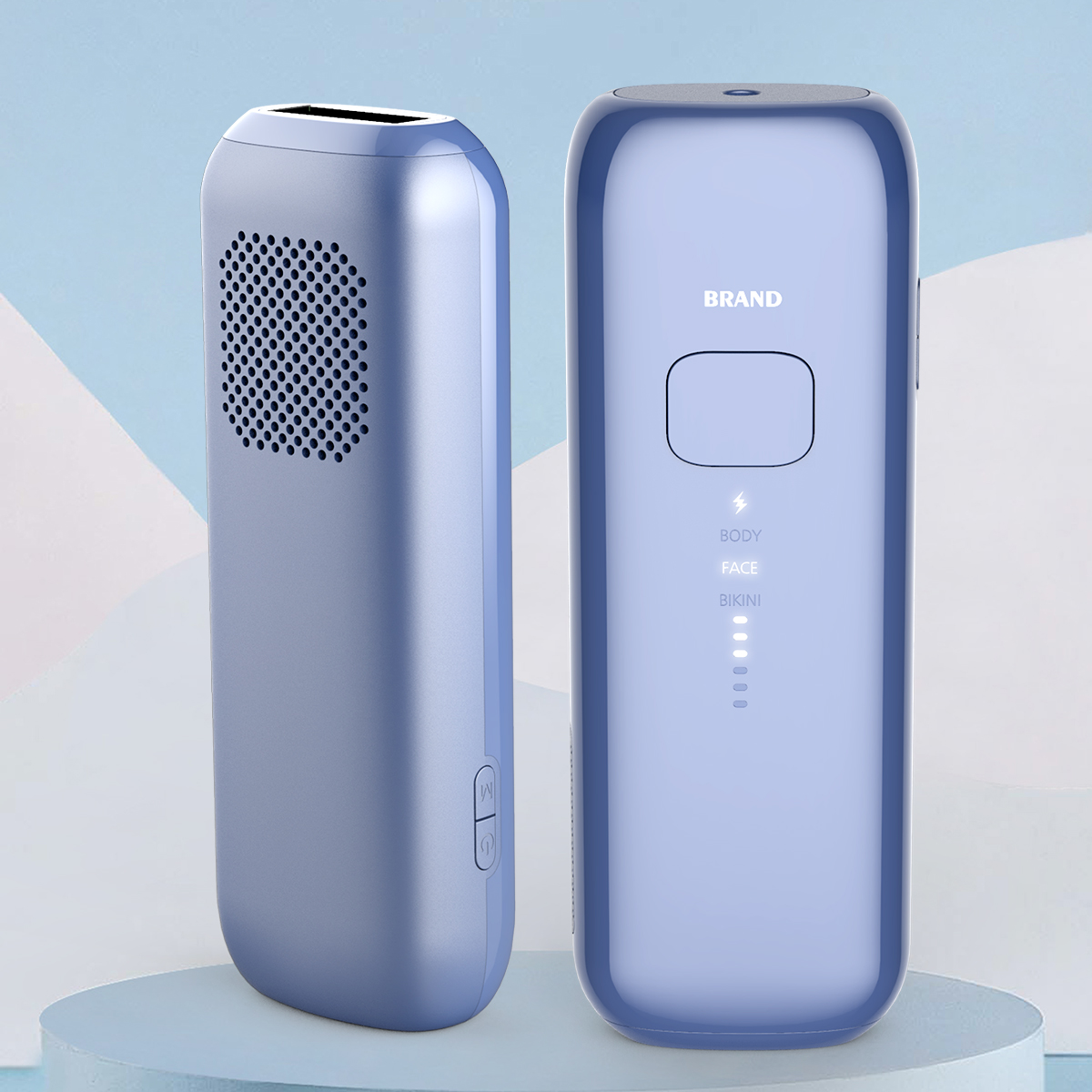
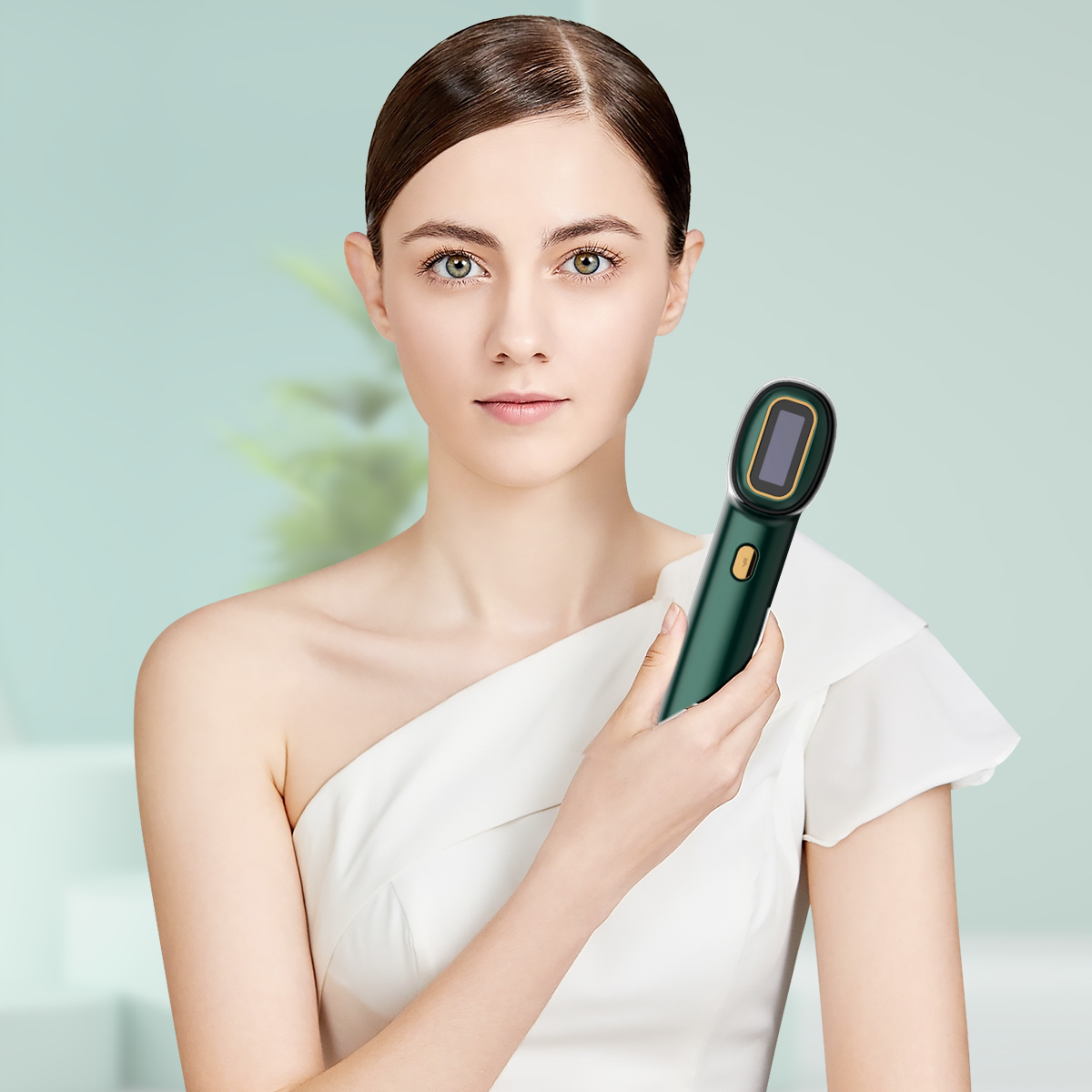
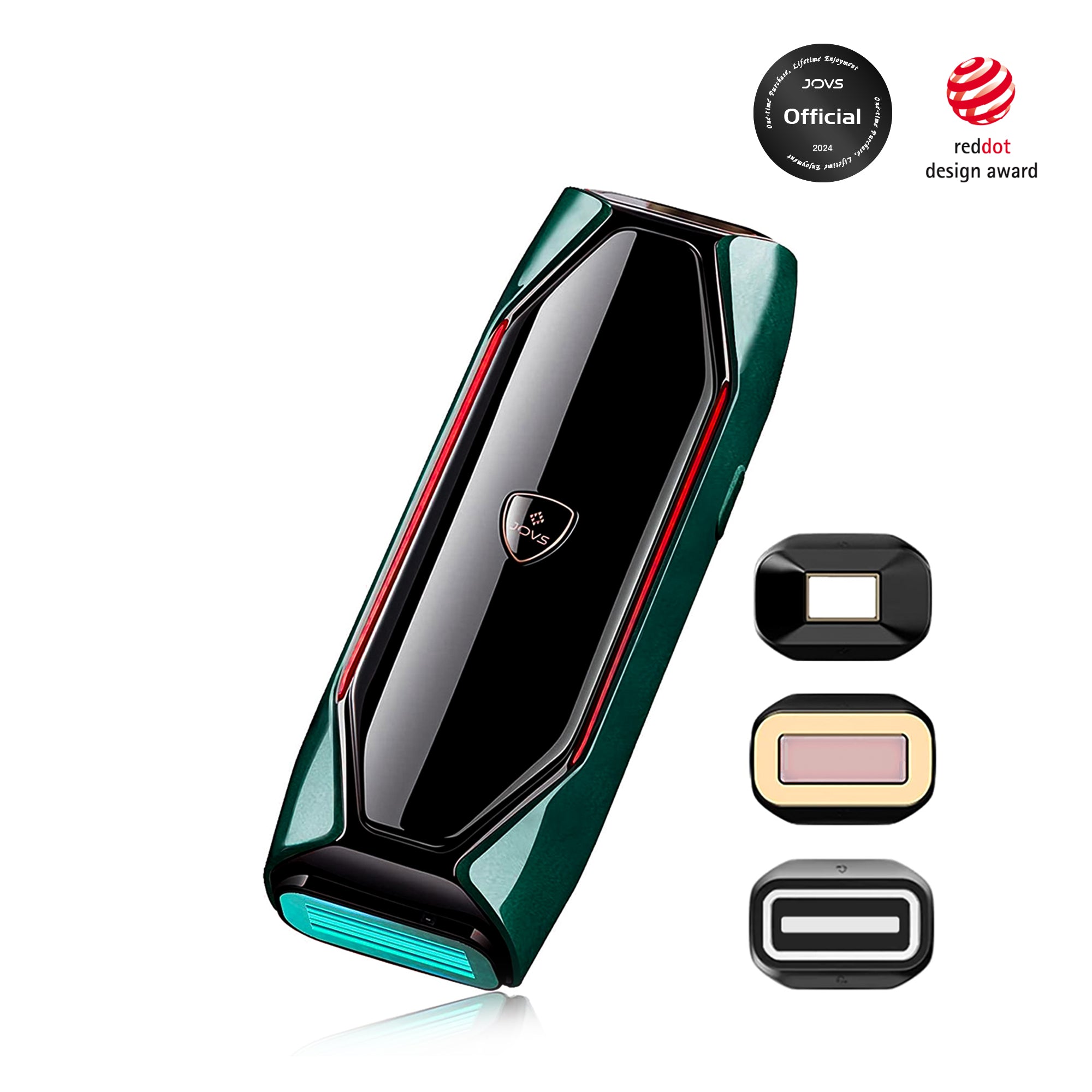
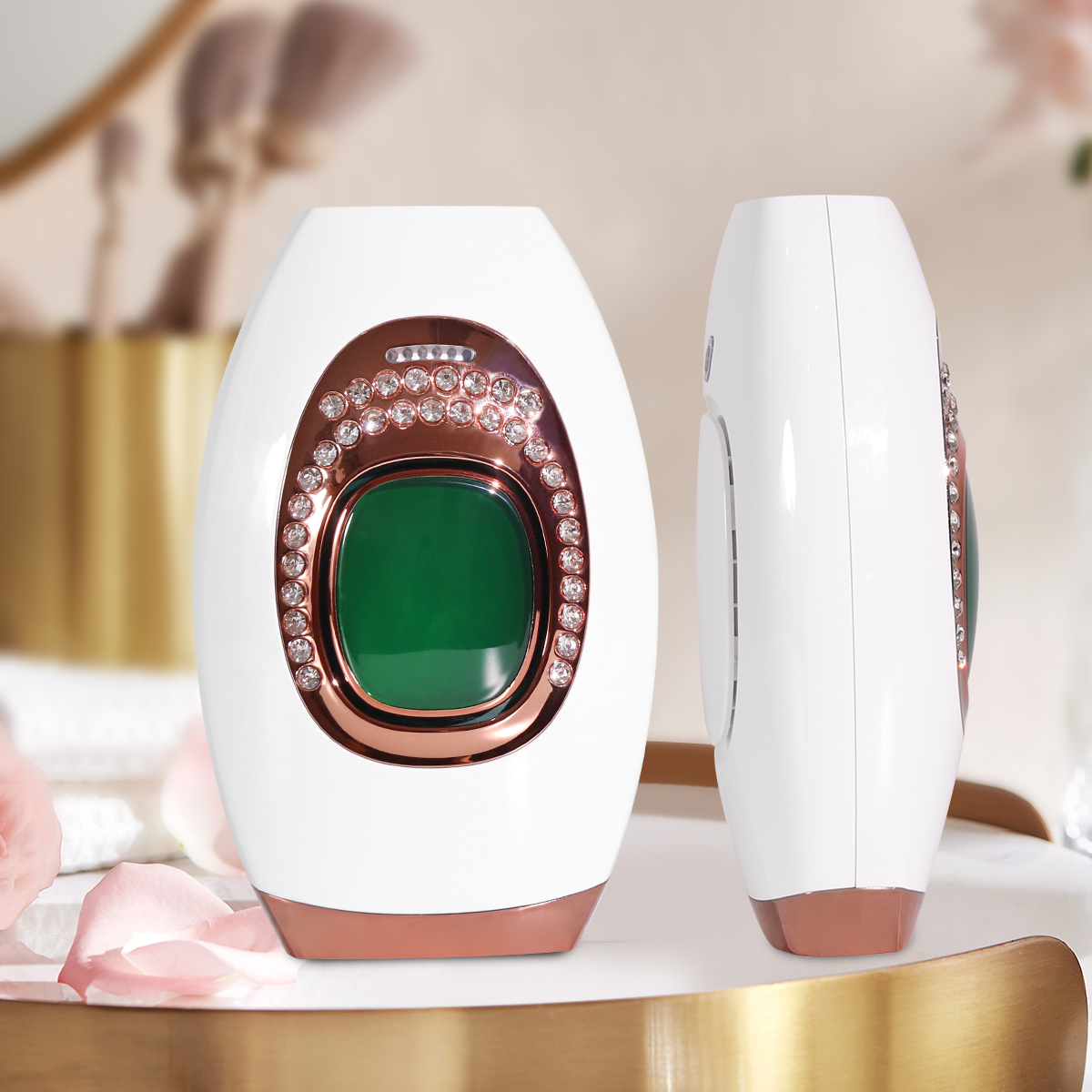
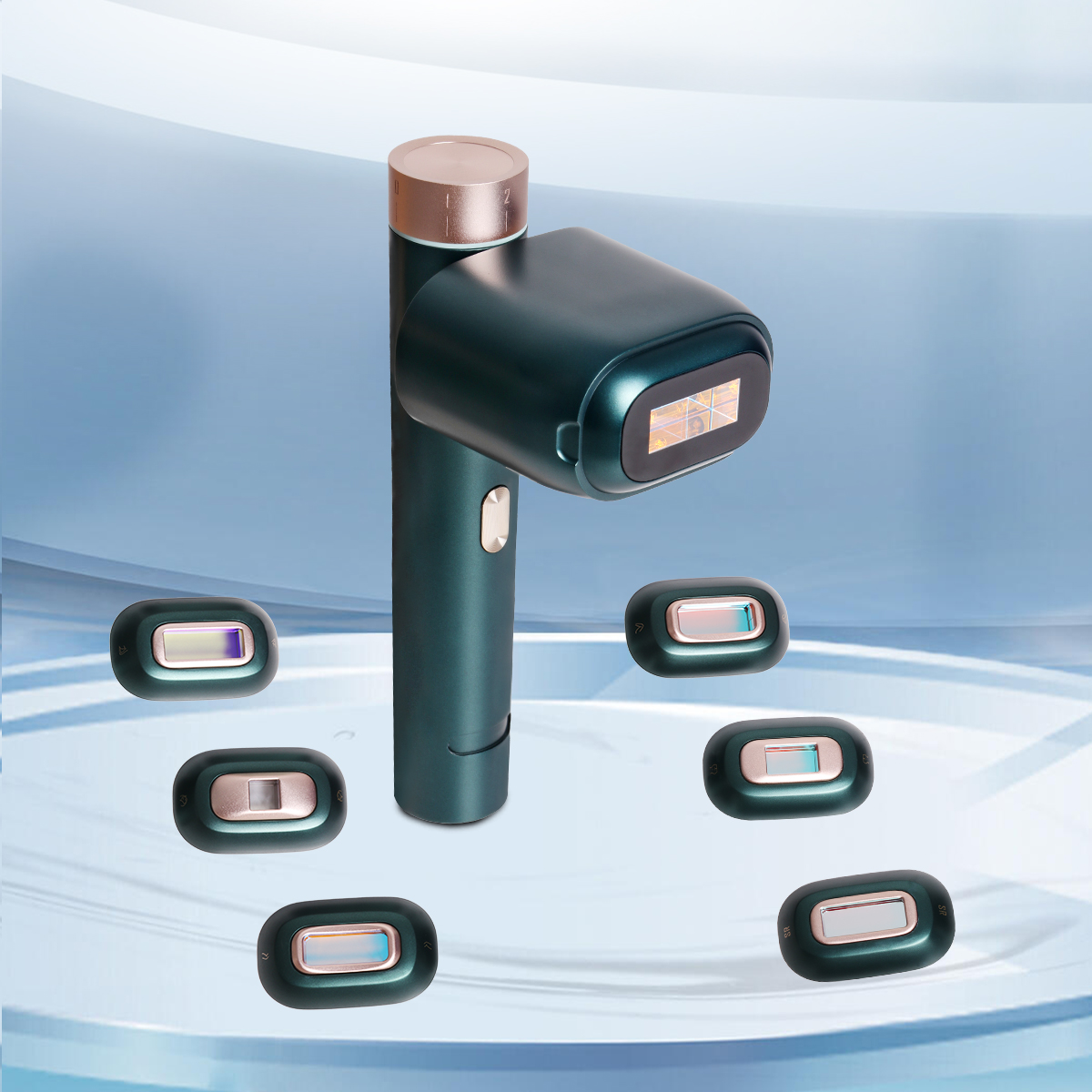
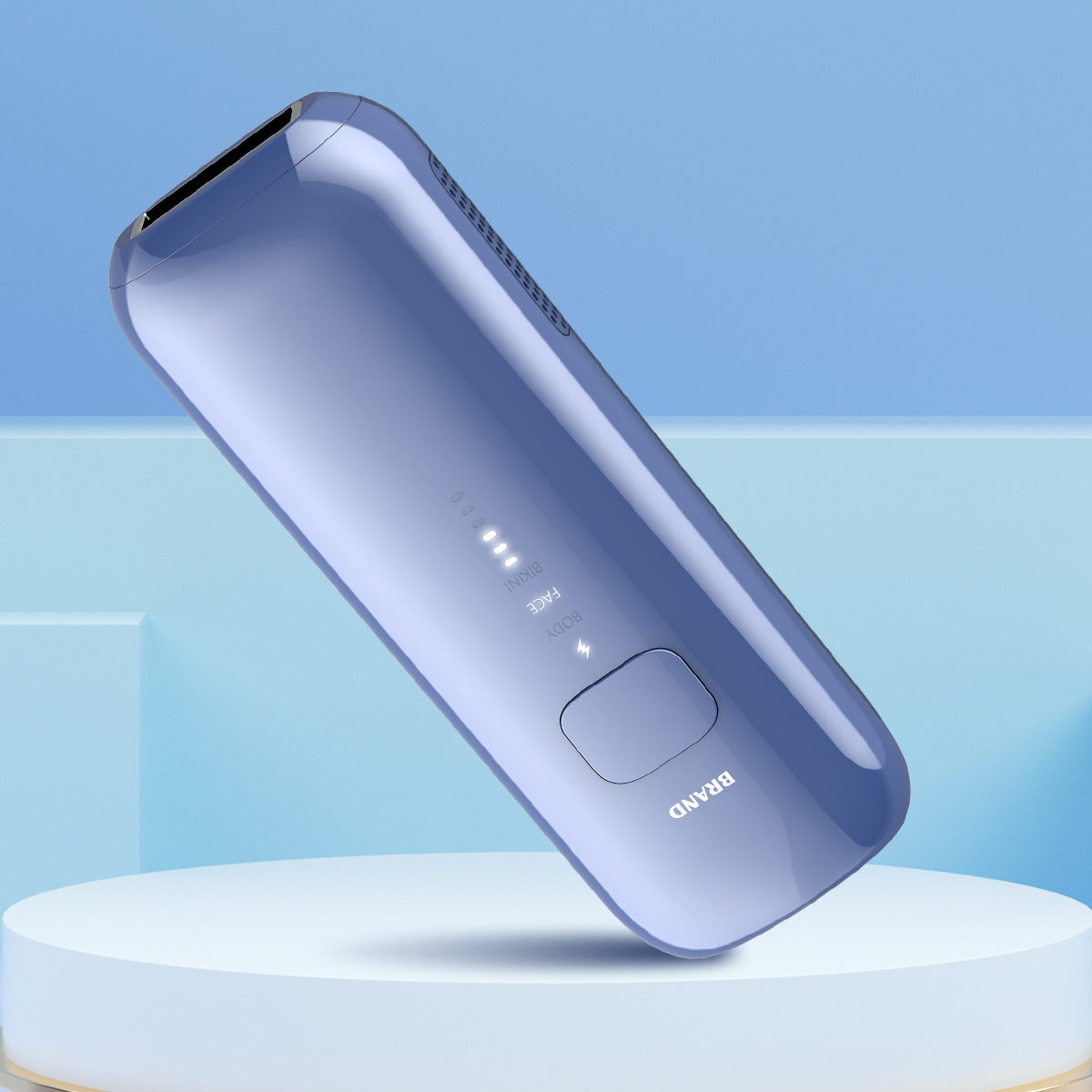

IPL technology targets melanin, the pigment in hair and skin, which means it works best for light skin with dark hair. If you have very dark skin (Fitzpatrick skin types V–VI) or light blonde, red, gray, or white hair, IPL is likely ineffective and may even cause burns. Most devices include a skin tone sensor—if it blocks operation, do not override it. This safety feature exists to prevent excess light absorption by dark skin, which can lead to blisters or hyperpigmentation.
Even if you have compatible skin, be cautious with recent sun exposure. Tanned skin (whether from the sun or tanning beds) has increased melanin, making it more vulnerable to IPL-induced damage. Wait 2–4 weeks after tanning before using the device, and always check your skin tone in natural light to assess readiness.
Avoid High-Risk Areas: Protect Delicate Zones
Certain parts of the body are off-limits for at-home IPL use, no matter the device. Never use the device on:
- The eyes or surrounding area: IPL light can damage the retina. Even if a device claims to be safe for the upper lip, keep it at least 1cm away from the eye socket.
- Moles, freckles, or birthmarks: These contain concentrated melanin and can absorb excessive light, causing burns or discoloration.
- Tattoos or permanent makeup: Pigmented ink in tattoos will absorb IPL light, leading to skin damage or faded ink.
- Open wounds, cuts, or irritated skin: Broken skin is more sensitive and prone to infection when exposed to IPL energy.
For sensitive areas like the bikini line or underarms, start with the lowest energy setting and test a small patch first. If redness or itching lasts more than 24 hours, avoid treating that area until it heals.
Follow Energy Level Guidelines: More Isn’t Always Better
It’s tempting to crank up the energy for faster results, but overusing high settings can backfire. New users should start with the lowest energy level to gauge skin tolerance. Gradually increase intensity only if the skin shows no adverse reactions (like prolonged redness or swelling).
Thicker hair (e.g., on the legs) may require higher energy, but sensitive areas (face, underarms) often respond well to lower settings. Never use a higher energy level than recommended for a specific body part—check the device manual for guidelines. If you feel sharp pain during treatment, stop immediately and lower the setting.
Maintain Consistent Sessions (But Don’t Overdo It)
IPL works by targeting hair in the active growth phase, so consistency is key—but over-treating can irritate the skin. Follow the recommended schedule: most devices suggest weekly sessions for 6–8 weeks, then monthly maintenance. Treating the same area more than once a week increases the risk of redness, peeling, or long-term pigment changes.
If you miss a session, don’t double up. Simply resume the schedule with your next treatment. Hair growth cycles vary, so patience is necessary—results often take 2–3 months to become noticeable.
Device Hygiene: Keep It Clean to Avoid Infections
A dirty IPL device can harbor bacteria, leading to breakouts or infections, especially in sensitive areas. After each use, wipe the treatment window with a disinfectant wipe or a cloth dampened with rubbing alcohol. This removes dead skin cells, hair fragments, and oils that can block light penetration and breed germs.
Store the device in a cool, dry place away from moisture (like bathrooms) to prevent mold growth. Avoid dropping or exposing it to extreme temperatures, as this can damage internal components and reduce effectiveness.
Post-Treatment Skin Care: Protect and Soothe
Your skin is more vulnerable after IPL, so adjust your routine to avoid irritation:
- Skip harsh products: Avoid retinol, AHAs/BHAs, or exfoliating scrubs for 48 hours post-treatment, as they can exacerbate sensitivity.
- Moisturize gently: Use a fragrance-free, hypoallergenic moisturizer to soothe the skin. Look for ingredients like ceramides or hyaluronic acid to support the skin barrier.
- Sunscreen is mandatory: IPL-treated skin is more prone to sunburn and pigmentation. Apply SPF 30+ daily, even indoors, and wear protective clothing if the treated area is exposed to sunlight.
Know When to Stop and Seek Help
Most side effects (mild redness, tingling) fade within a few hours, but certain symptoms require immediate attention:
- Blisters, burns, or open sores
- Severe swelling or pain that lasts more than 24 hours
- Dark spots or discoloration that worsens over time
- Itching or rash indicating an allergic reaction
If you experience any of these, stop using the device and consult a dermatologist. They can assess the damage and recommend treatment to prevent scarring.
By following these precautions, you’ll minimize risks and maximize the benefits of your at-home IPL hair removal device. Remember: safety and consistency go hand in hand with achieving smooth, long-lasting results. Always read your device’s manual thoroughly—manufacturer-specific guidelines may vary, and adhering to them is the best way to protect your skin.