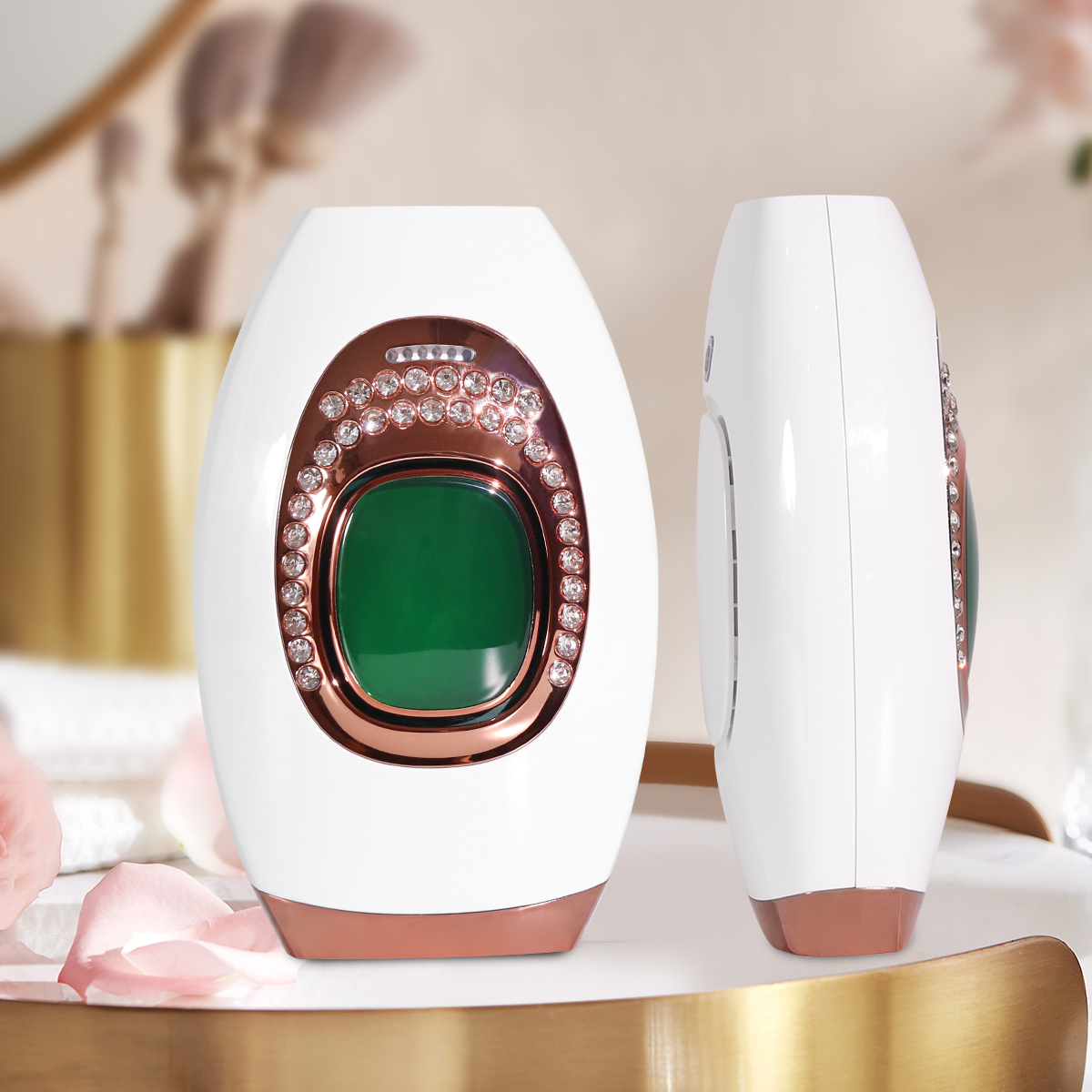
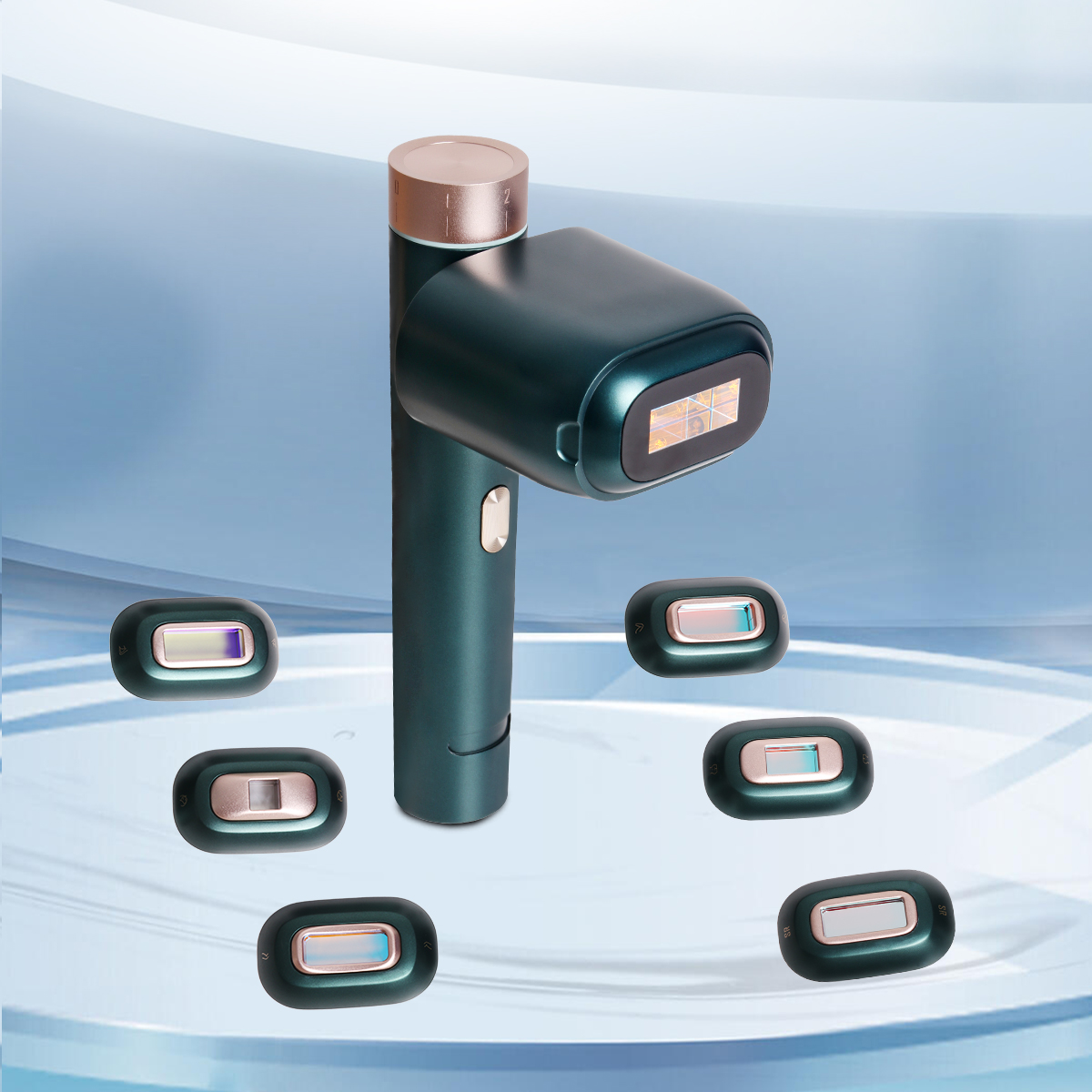
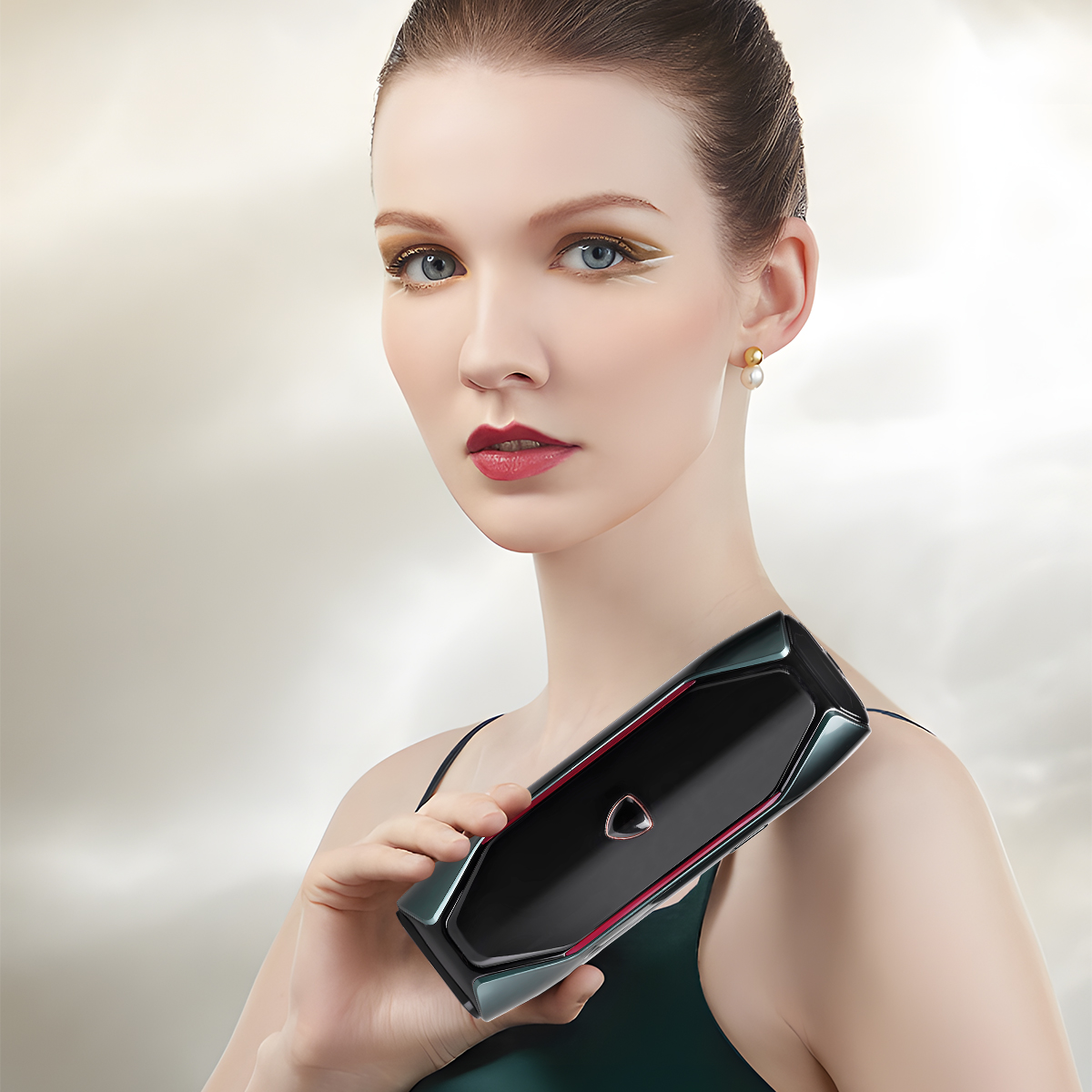
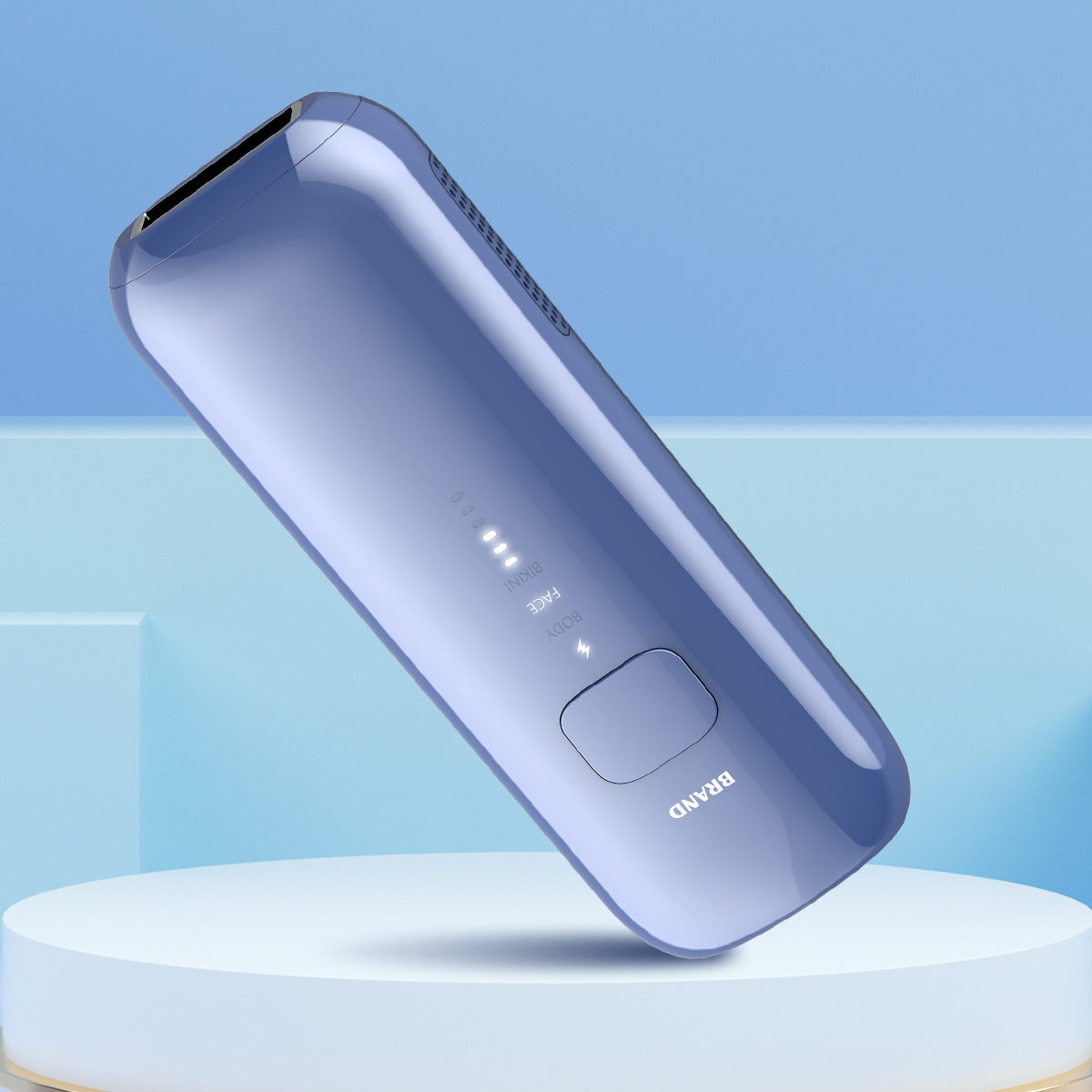
If you're looking for a skincare treatment that's both gentle and powerful, red light therapy (RLT) might be your new best friend. This non-invasive therapy uses specific wavelengths of red and near-infrared light to boost your skin's natural healing processes. Let's break down how it works, why it's trending, and how to use it effectively!
How Does Red Light Therapy Work
Red light penetrates deep into your skin's layers, stimulating mitochondria (your cells' energy factories) to produce more ATP energy. This energy fuels collagen production—the protein that keeps skin firm and plump—while reducing inflammation and accelerating repair. Studies show it can improve skin texture, fade wrinkles, and even out pigmentation.
Top Benefits for Your Skin
- Anti-Aging Powerhouse: By boosting collagen and elastin, RLT minimizes fine lines and improves elasticity, giving you a smoother, younger-looking complexion.
- Fights Acne & Redness: Red light calms inflammation and targets acne-causing bacteria when paired with blue light.
- Speeds Healing: Whether it's sun damage or post-breakout scars, RLT accelerates cell turnover for faster recovery.
- Zero Downtime: Unlike lasers, RLT is painless and safe for daily use at home.
How to Use Red Light Therapy Correctly
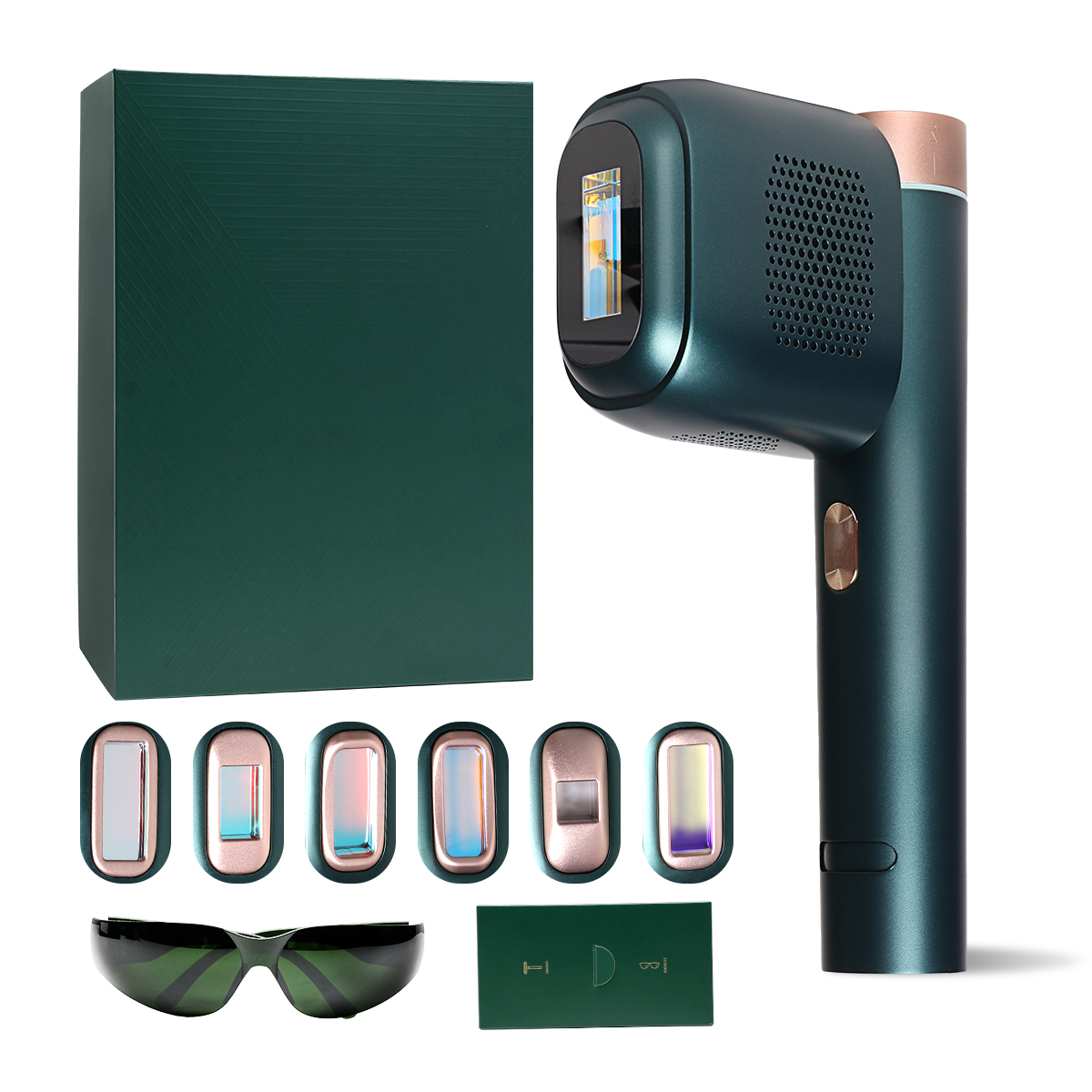
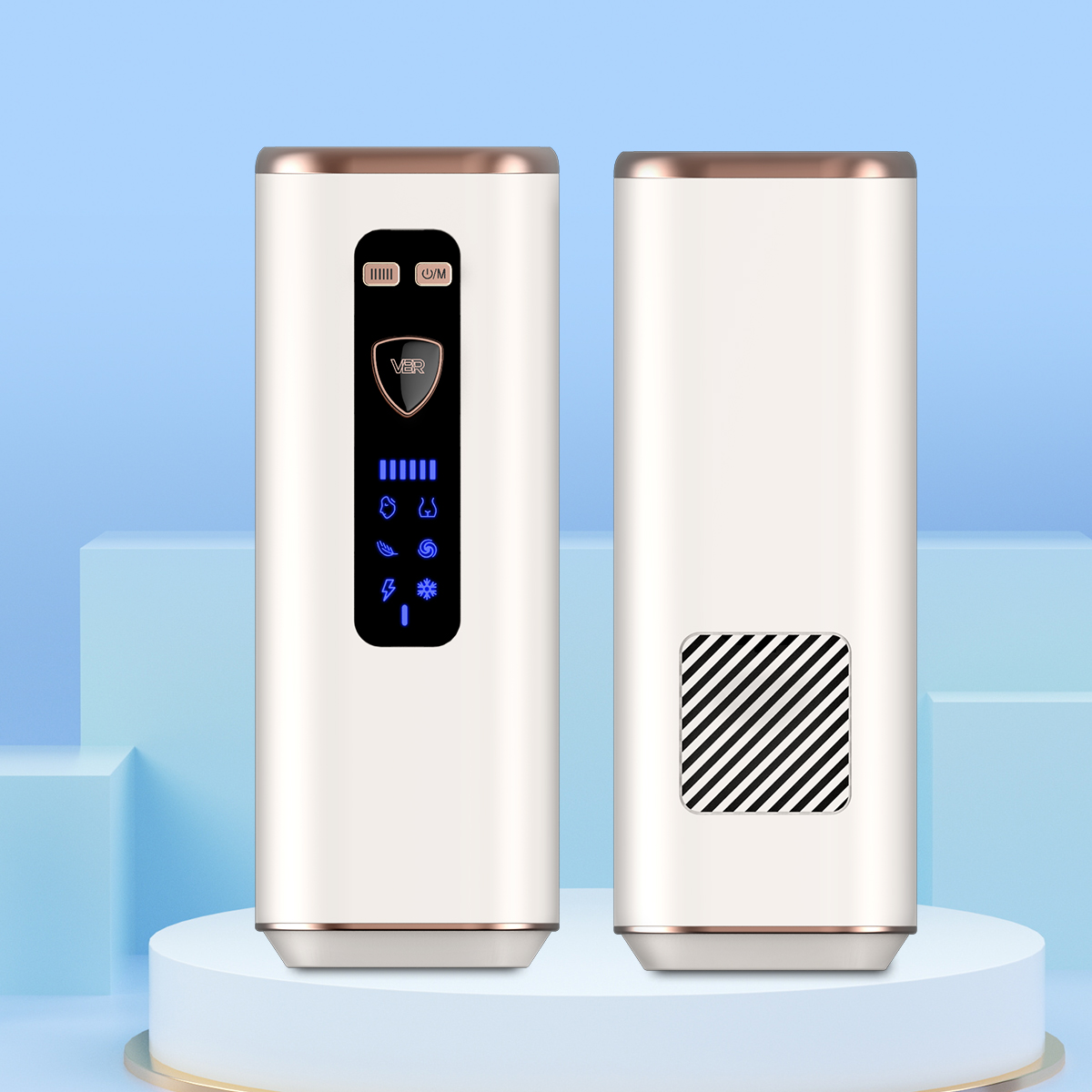
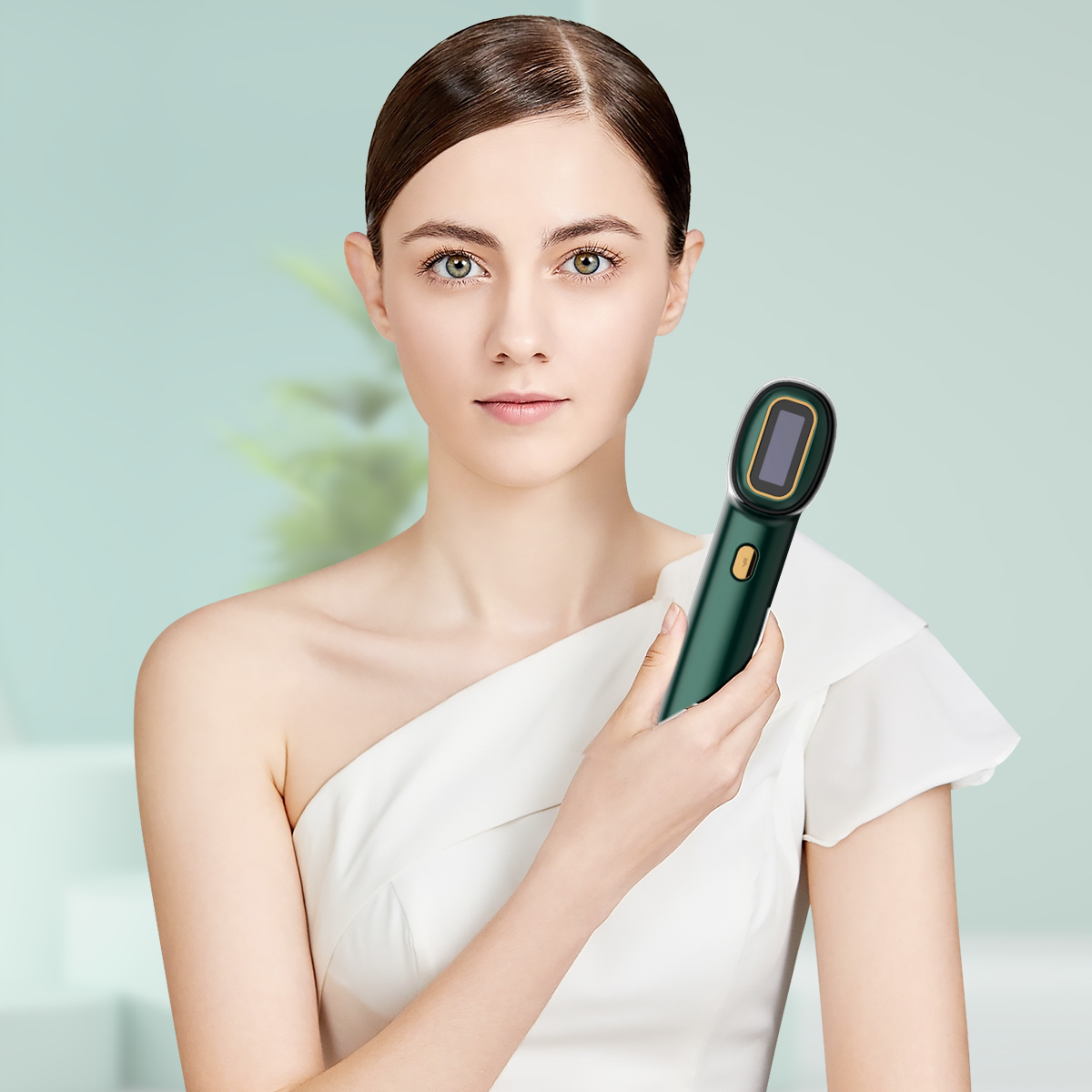
- Choose the Right Device: Look for medical-grade devices with wavelengths between 630–850nm for optimal penetration. Handheld wands or masks work well for targeted areas.
- Timing Matters: Start with 10–15 minutes daily, holding the device 6–12 inches from your face. Consistency is key—results often show in 4–8 weeks.
- Pair with Skincare: Cleanse your skin first, then apply serums after your session to maximize absorption.
Our Insight
For best results, combine RLT with a healthy skincare routine. Avoid using retinoids or acids immediately before treatment to prevent sensitivity.