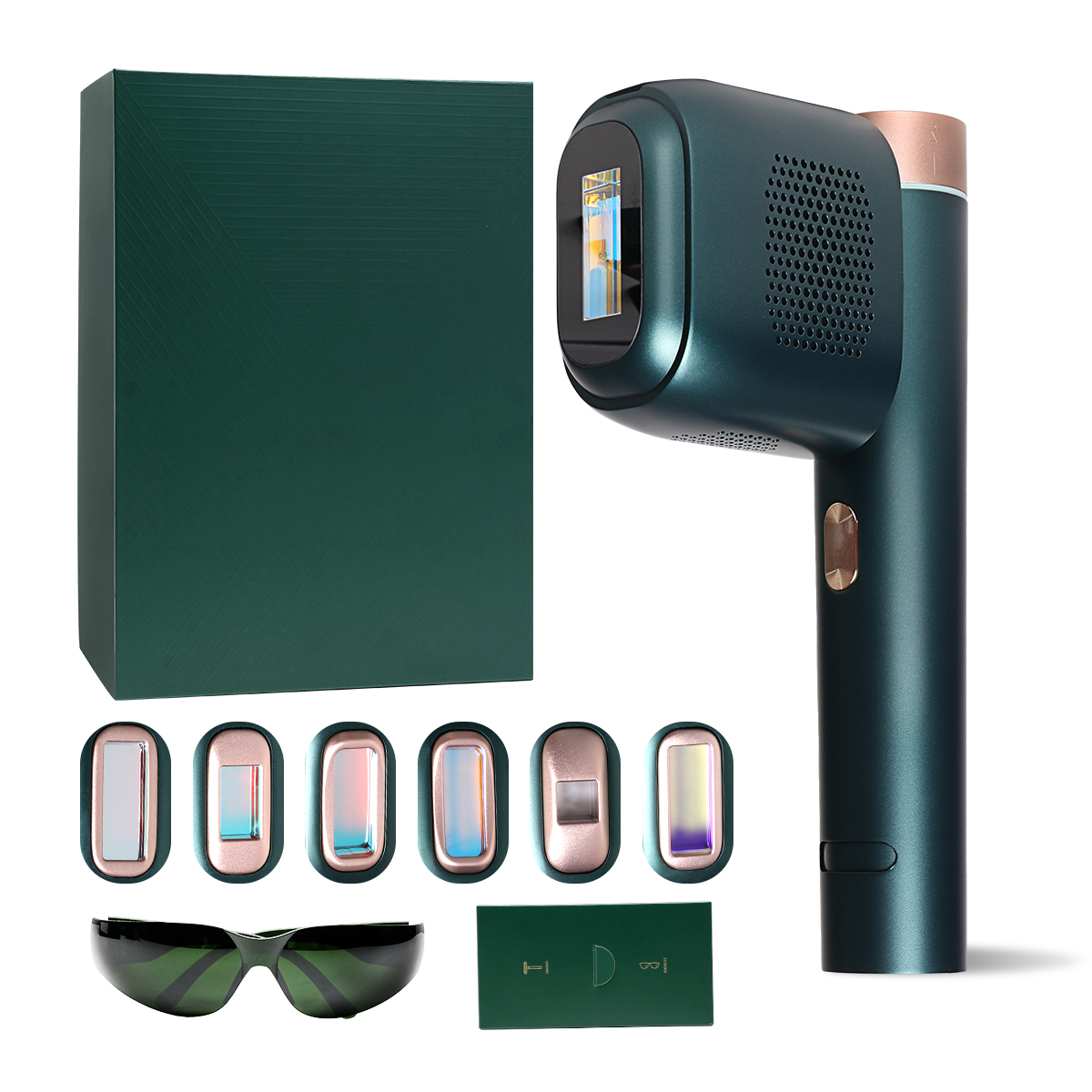
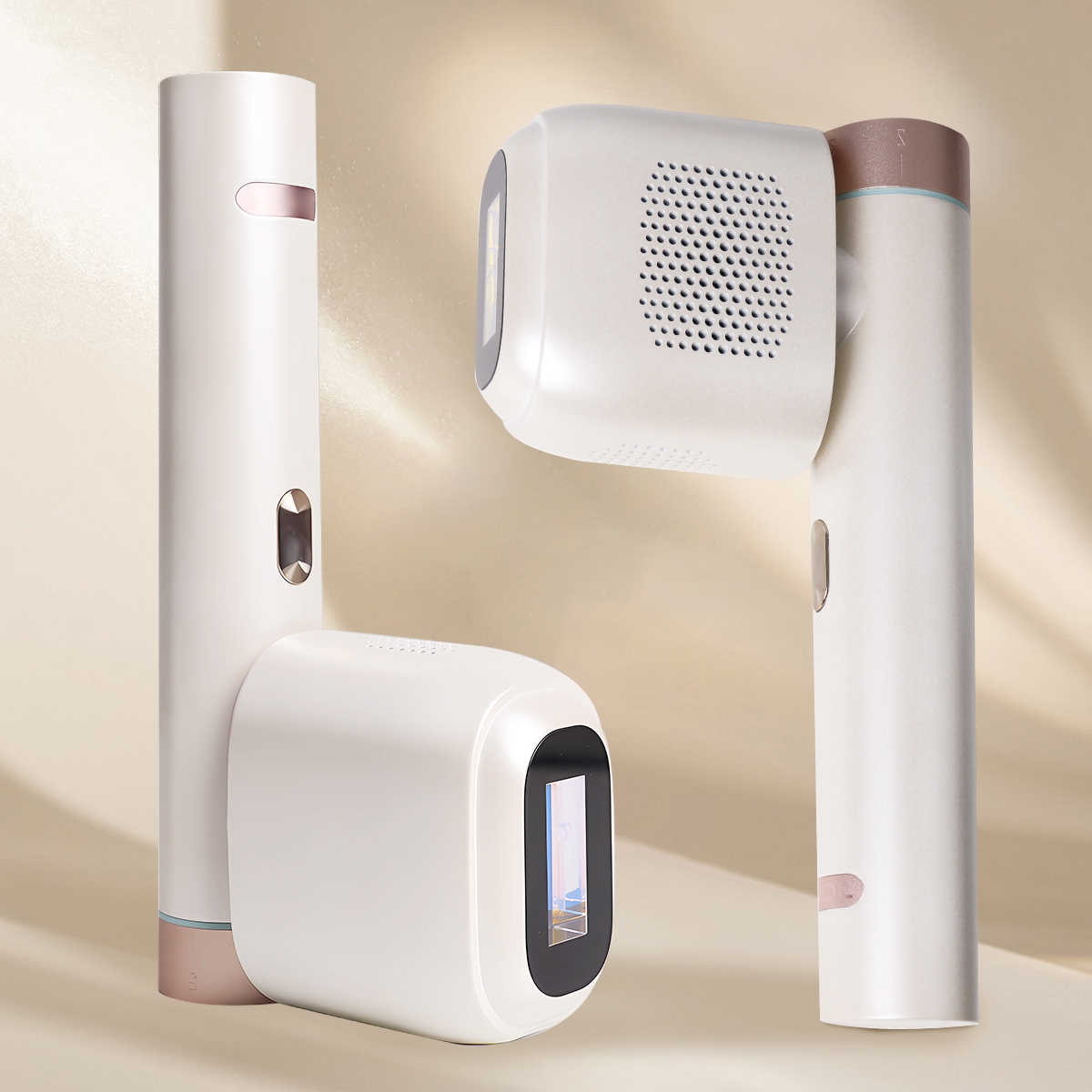
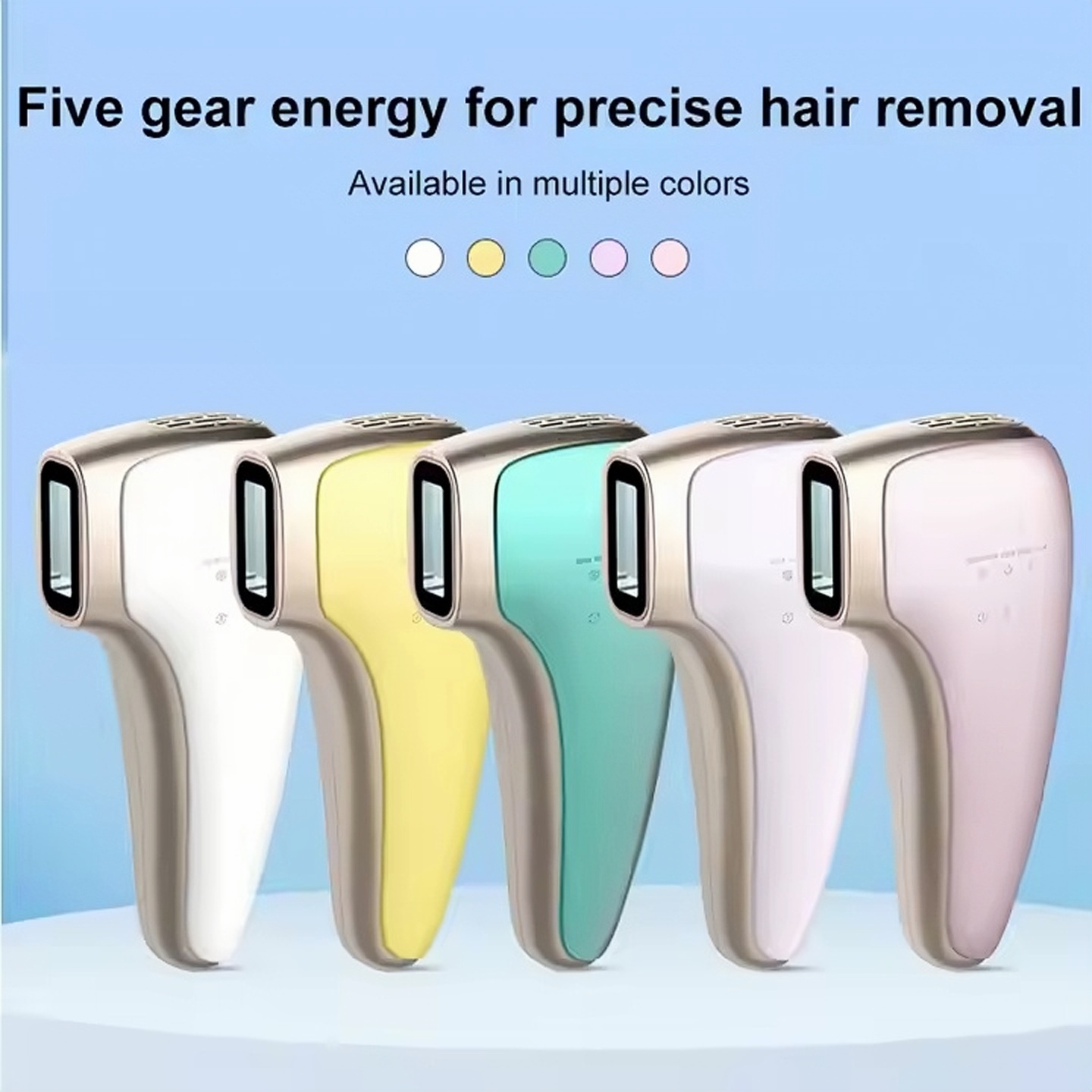
Using an at-home IPL hair removal device can be a game-changer for achieving long-term smooth skin, but following the correct process is key to both effectiveness and safety. Whether you’re a first-time user or looking to refine your routine, this step-by-step guide will help you get the most out of your IPL hair removal device.

Pre-Treatment Preparation: Lay the Groundwork
Before even turning on your IPL device, proper preparation sets the stage for successful hair removal. Start by exfoliating the target area 24–48 hours prior to treatment. Exfoliation removes dead skin cells, ensuring the IPL light can penetrate directly to the hair follicles without obstruction. Use a gentle scrub or exfoliating glove—avoid harsh products that might irritate the skin, especially if you plan to treat sensitive areas like the bikini line or underarms.
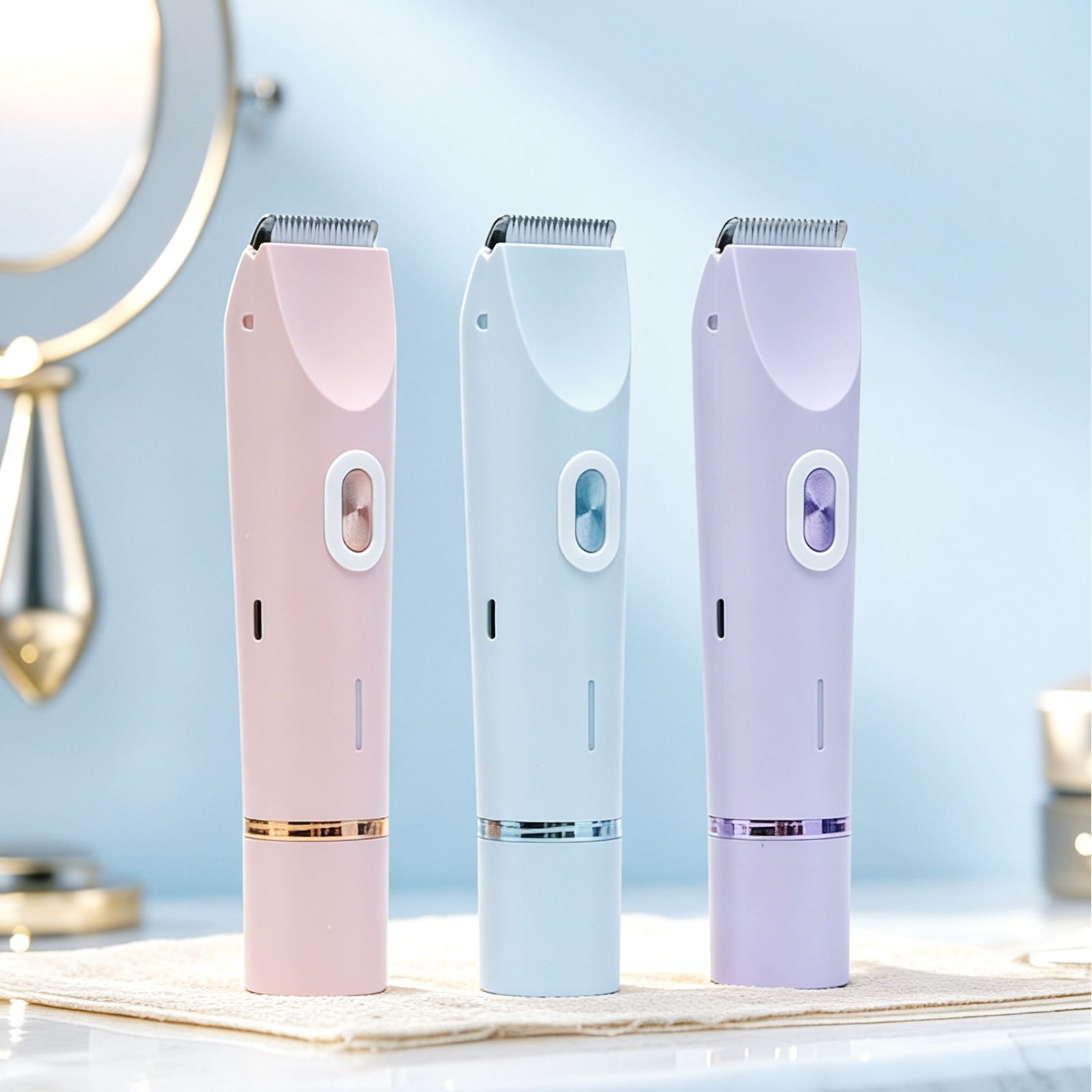
Next, trim or shave the hair in the treatment area. IPL works by targeting melanin in the hair shaft, so long hair can absorb too much light and cause discomfort or burns. Shave the area 1–2 hours before treatment (or the night before) to leave just a small hair bulb beneath the skin. Never wax or pluck before IPL—this removes the hair follicle, which is what the light needs to target for long-term results.
Finally, clean the skin thoroughly. Remove any lotions, oils, or deodorants, as these can create a barrier between the device and your skin. Pat the area dry with a clean towel to ensure it’s completely moisture-free.
Setting Up Your IPL Device: Get Ready to Glow
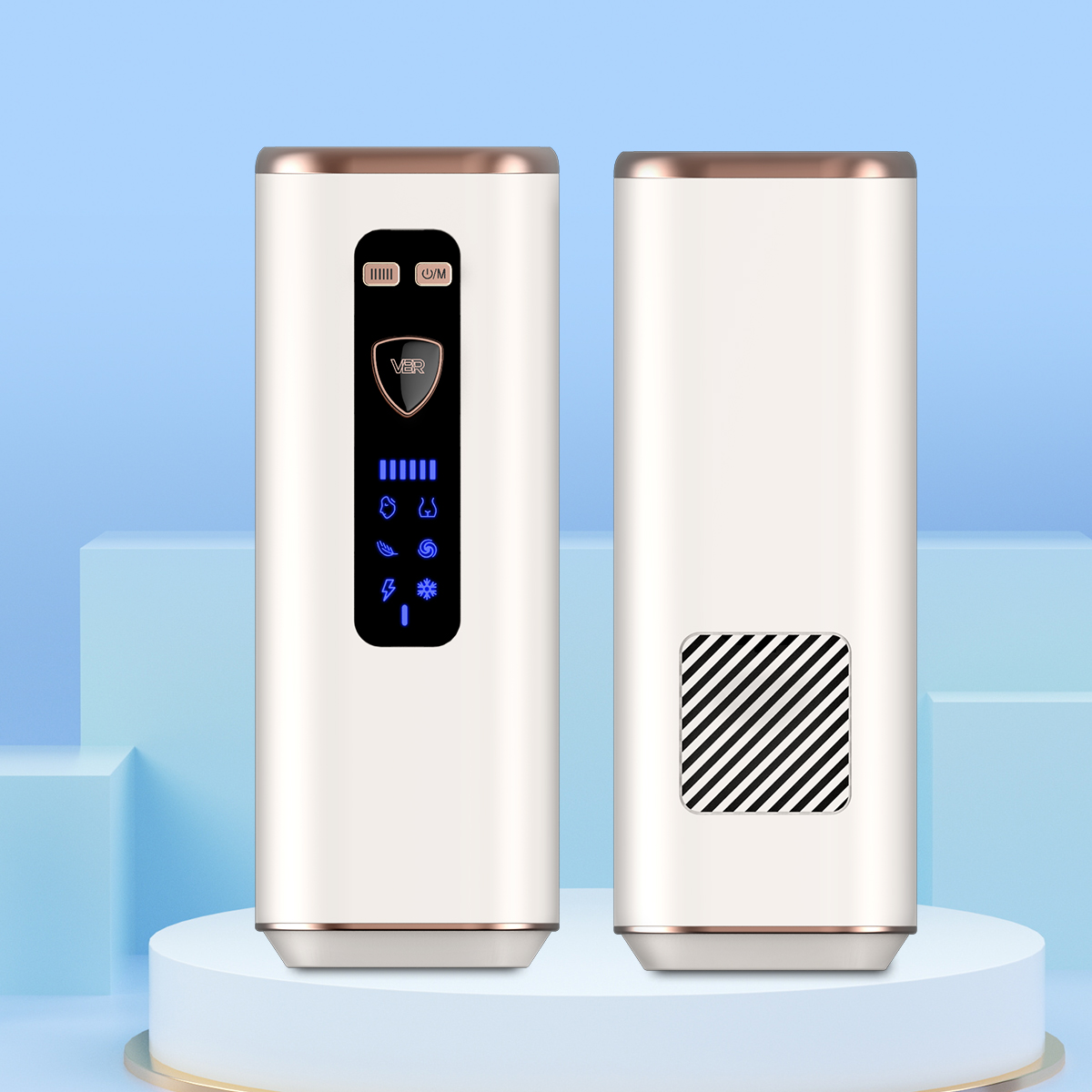
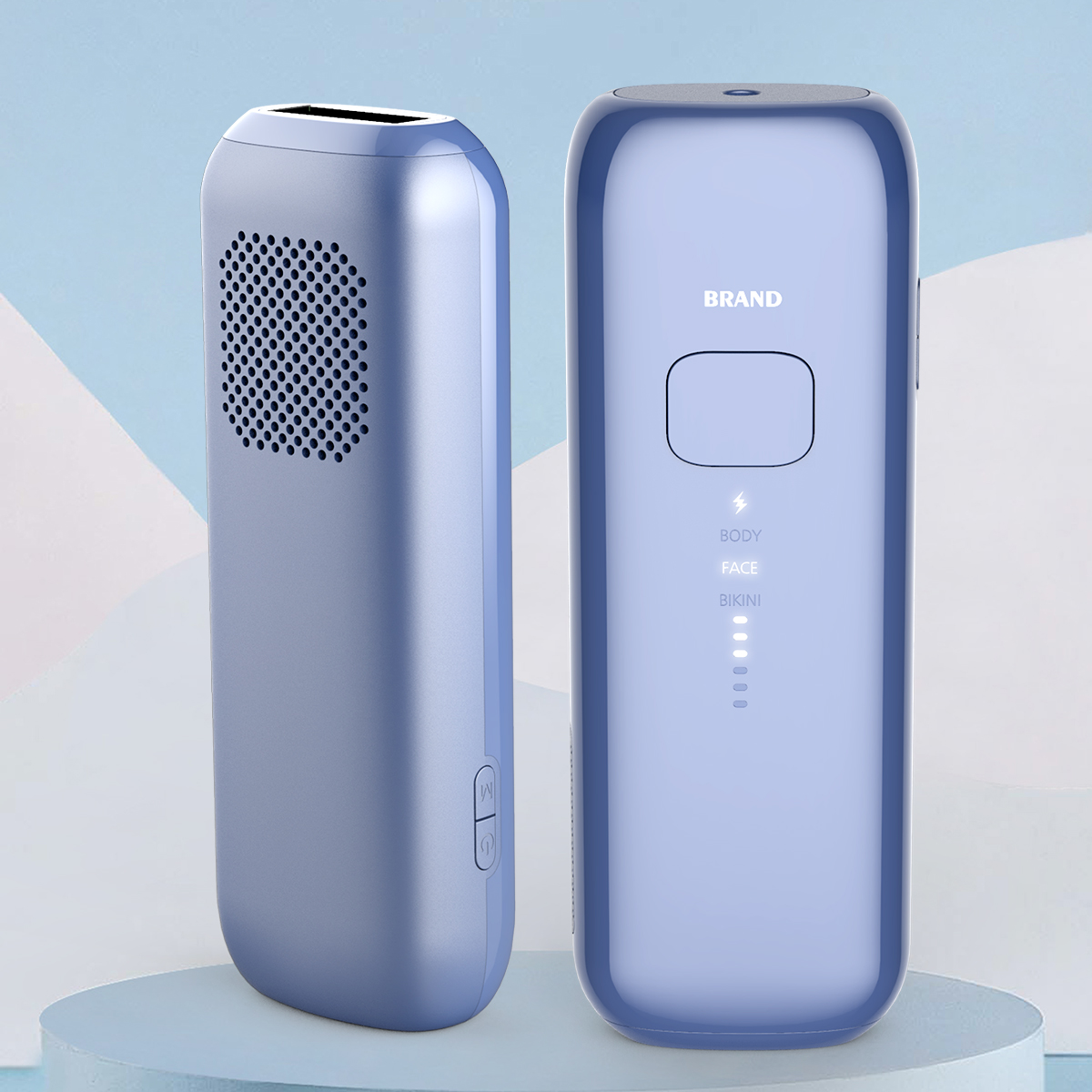
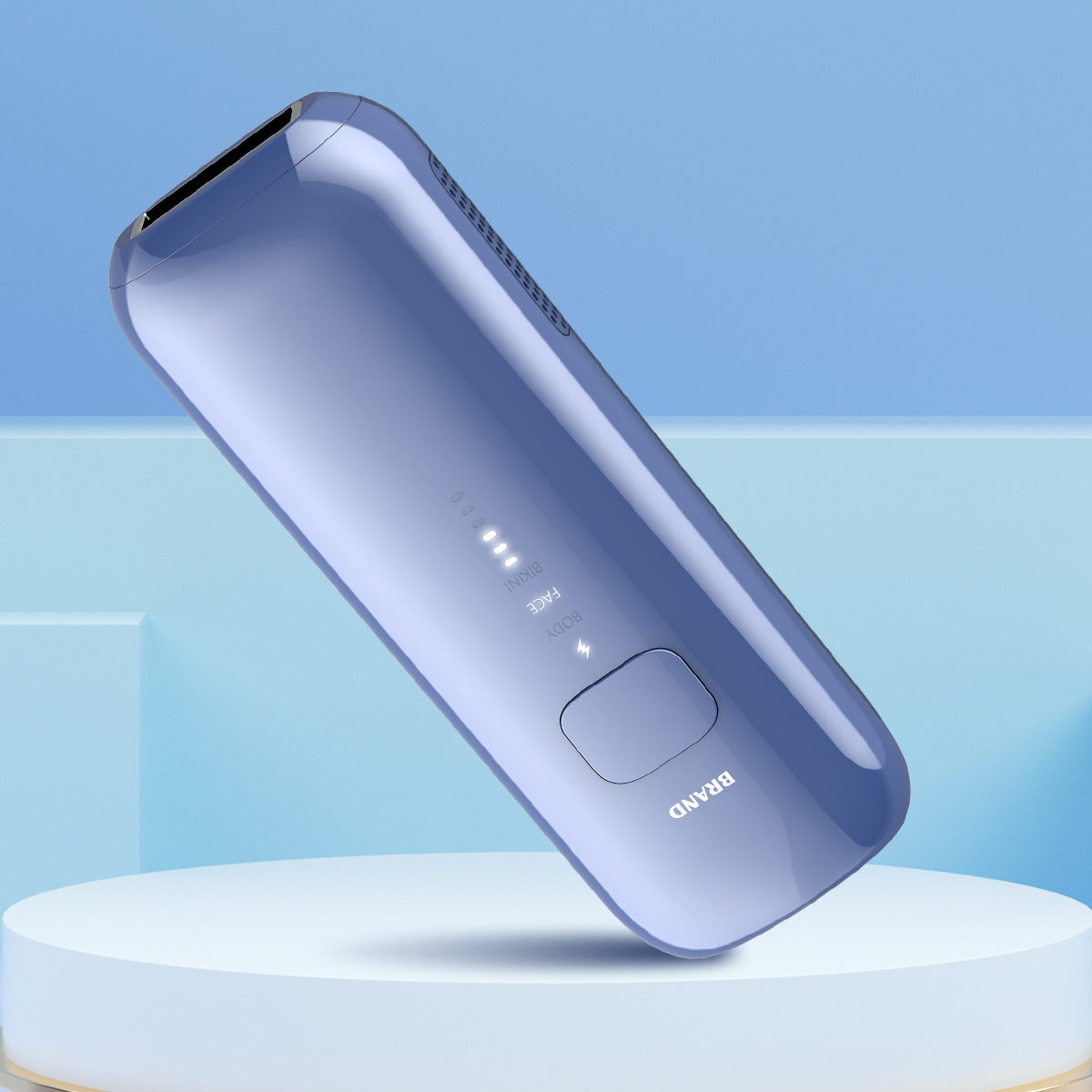
Once your skin is prepped, it’s time to prepare the device. Start by checking the device’s settings. Most modern IPL hair removal devices come with adjustable energy levels—begin with the lowest setting if you’re new to IPL or treating a sensitive area (like the face). Higher settings deliver more intense light, which is better for thicker hair (e.g., on the legs) but may cause slight tingling.
If your device has a skin tone sensor (a common feature in 2025 models), ensure it’s calibrated correctly. Hold the device against your skin; if the sensor detects a skin tone that’s incompatible with IPL (e.g., very dark skin, which has more melanin that can absorb excess light), it may not activate—this is a safety feature to prevent burns.
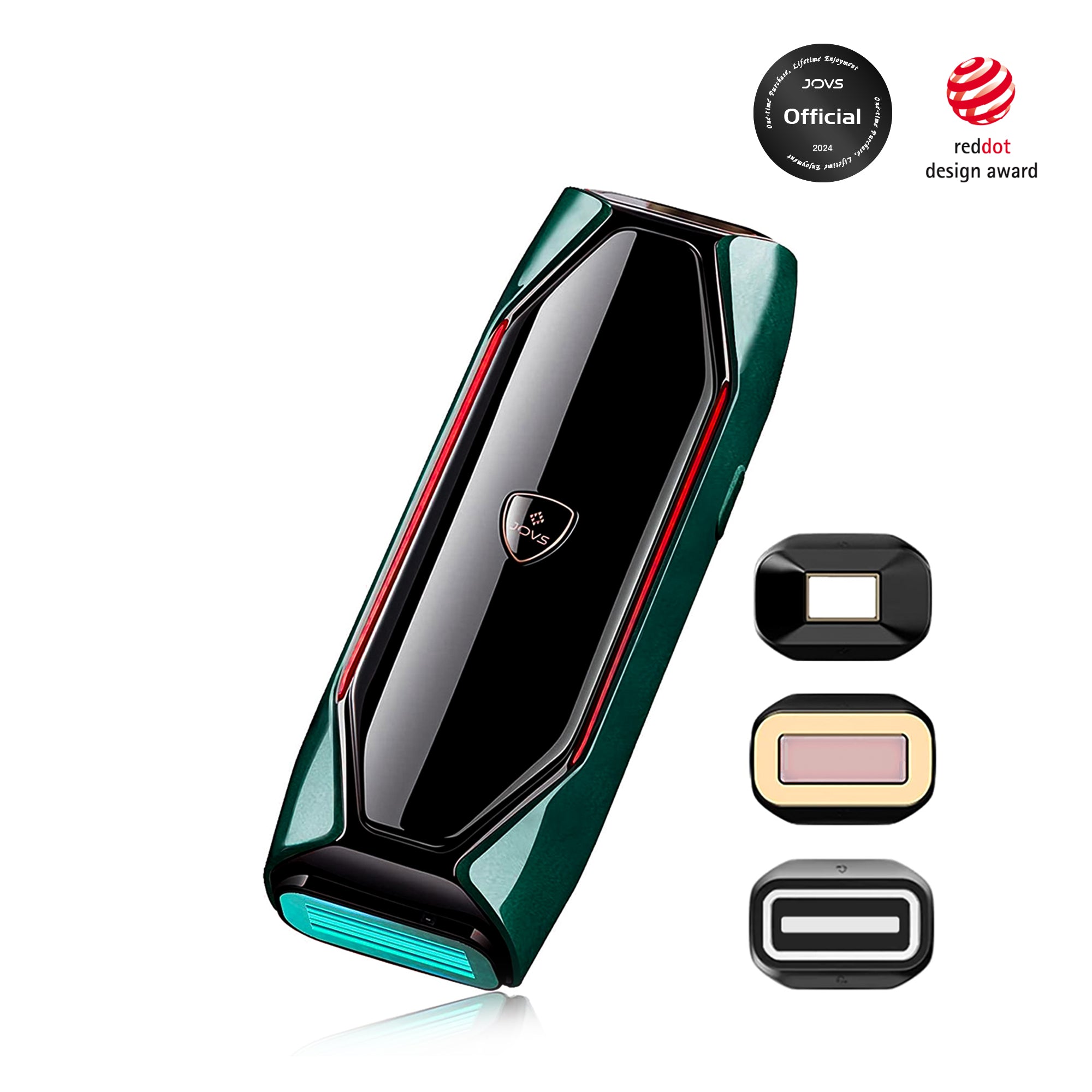
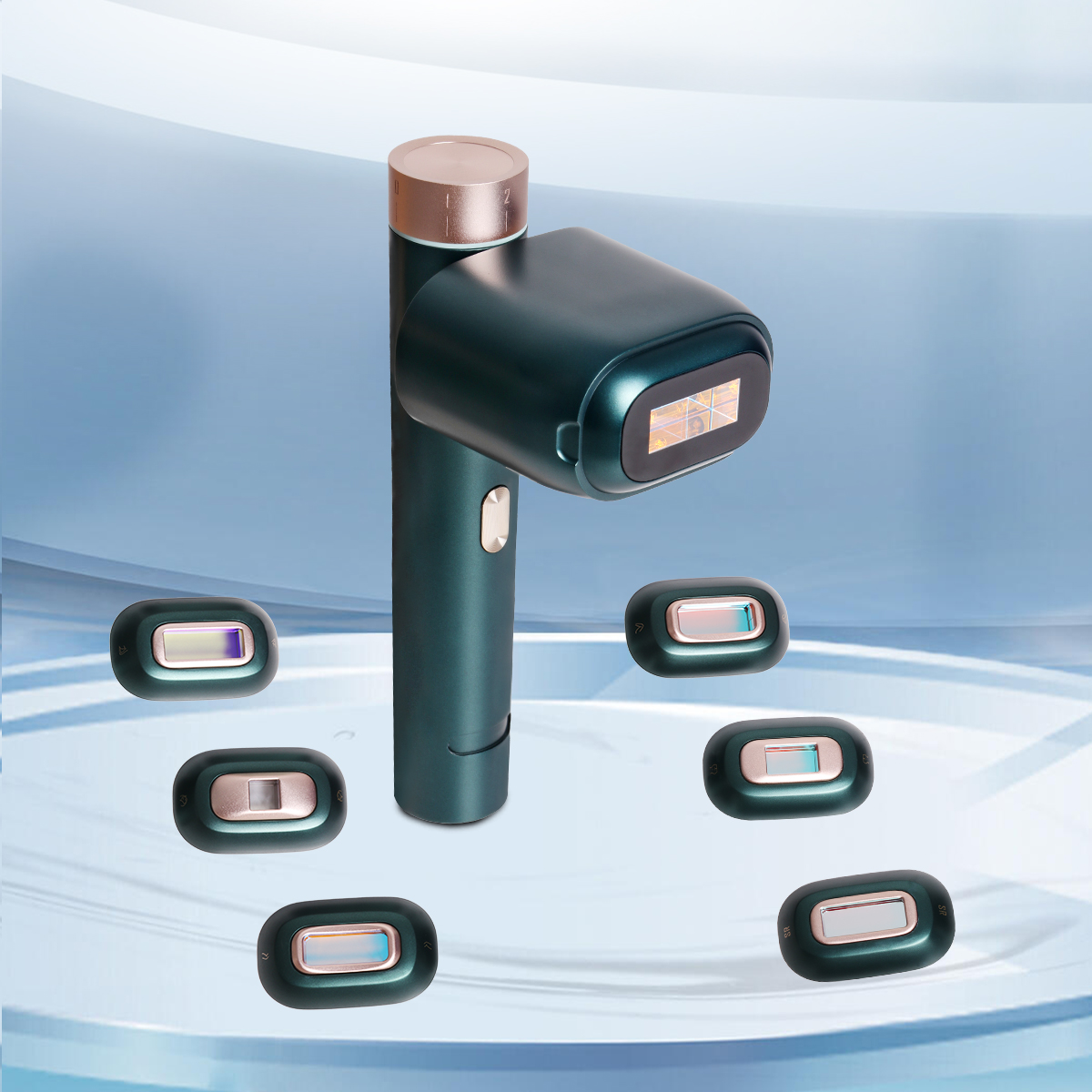
For devices with replaceable cartridges or flash bulbs, check the flash count. Most IPL devices offer 100,000+ flashes, which is enough for years of use, but low counts mean it’s time for a replacement to maintain effectiveness.
The Treatment Process: How to Glide and Flash
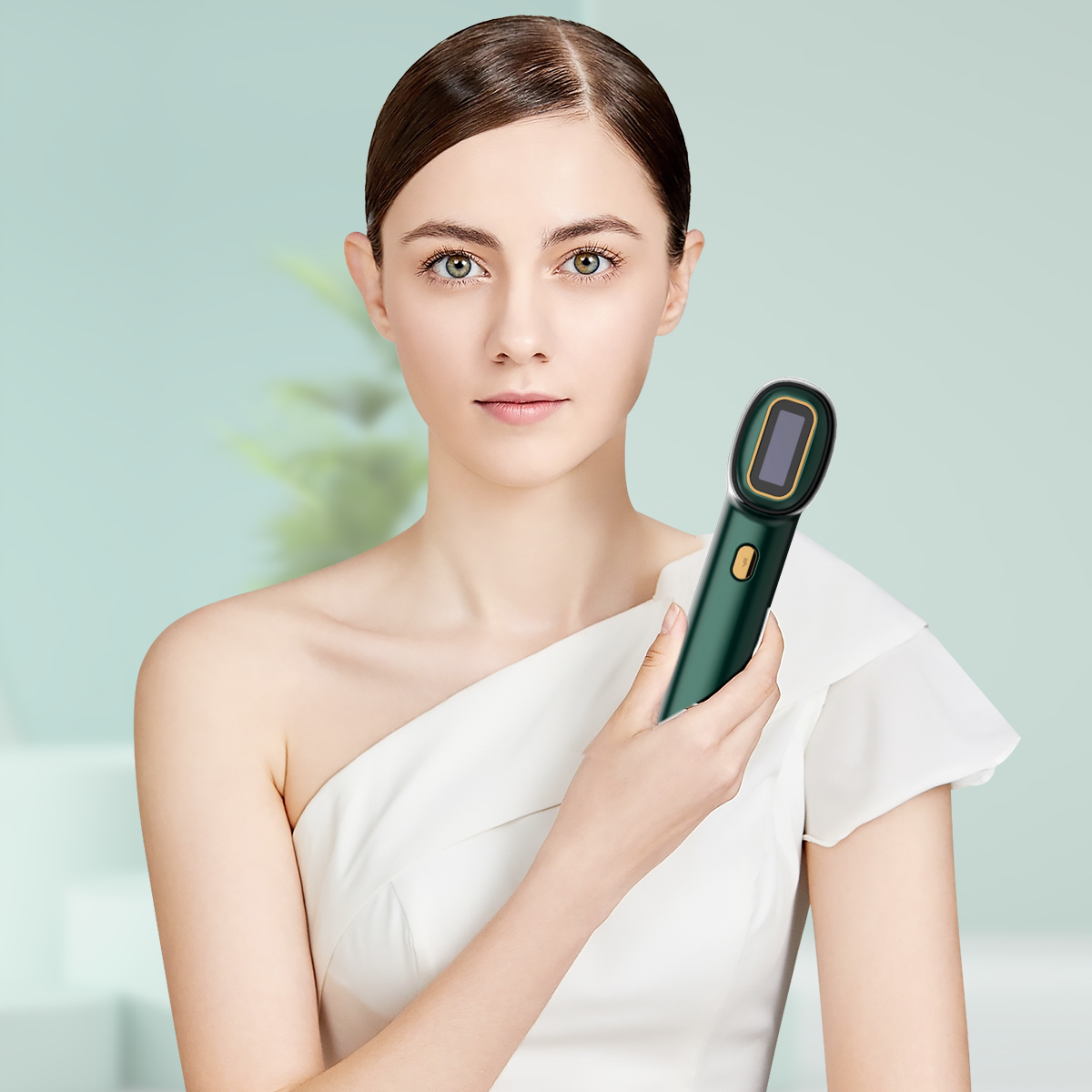
Now for the main event. Hold the IPL device with a firm, comfortable grip, ensuring the treatment window (the part that touches your skin) is fully pressed against the area you’re treating. Never hold the device at an angle—this can cause uneven light distribution and reduce results.
For manual devices, press the flash button once the window is in place. You’ll hear a click and see a bright flash—this is normal. For automatic devices, simply glide the device slowly over the skin; it will flash automatically when it detects contact.
Work in small sections to avoid missing spots. For example, when treating the legs, start at the ankle and move upward, overlapping each flash slightly (about 10–15%) to ensure full coverage. Avoid staying in one spot for too long, as this can lead to redness or blistering.
Treat each area only once per session. Most users see results after 6–8 weekly sessions, with maintenance treatments every 4–6 weeks thereafter.
Post-Treatment Care: Soothe and Protect
After your session, avoid touching the treated area for 30 minutes to let the skin calm down. You may notice slight redness or warmth—this is similar to a mild sunburn and should fade within a few hours. Apply a gentle, fragrance-free moisturizer to soothe the skin; aloe vera gel is a great option for its cooling properties.
Sun protection is non-negotiable after IPL treatment. The skin becomes more sensitive to UV rays, so apply a broad-spectrum SPF 30+ if the treated area will be exposed to sunlight. Avoid tanning beds entirely, as they can damage the skin and reverse the effects of IPL.
Finally, resist the urge to pluck or wax regrowth. Let the hair fall out naturally, which typically happens 1–2 weeks after treatment. If needed, shave between sessions, but wait at least 48 hours after IPL to avoid irritation.
Pro Tips for Optimal Results
- Stick to a schedule: Consistency is key. Skipping sessions can delay results, as IPL works best on hair in the active growth phase.
- Adjust settings as needed: As your skin adapts, gradually increase the energy level (if tolerated) for better long-term hair reduction.
- Clean the device regularly: Wipe the treatment window with a dry cloth after each use to remove any residue, ensuring clear light penetration.
By following these steps, you’ll maximize the effectiveness of your at-home IPL hair removal device while keeping your skin safe and healthy. With time and patience, you’ll enjoy the convenience of salon-quality hair removal without leaving home.