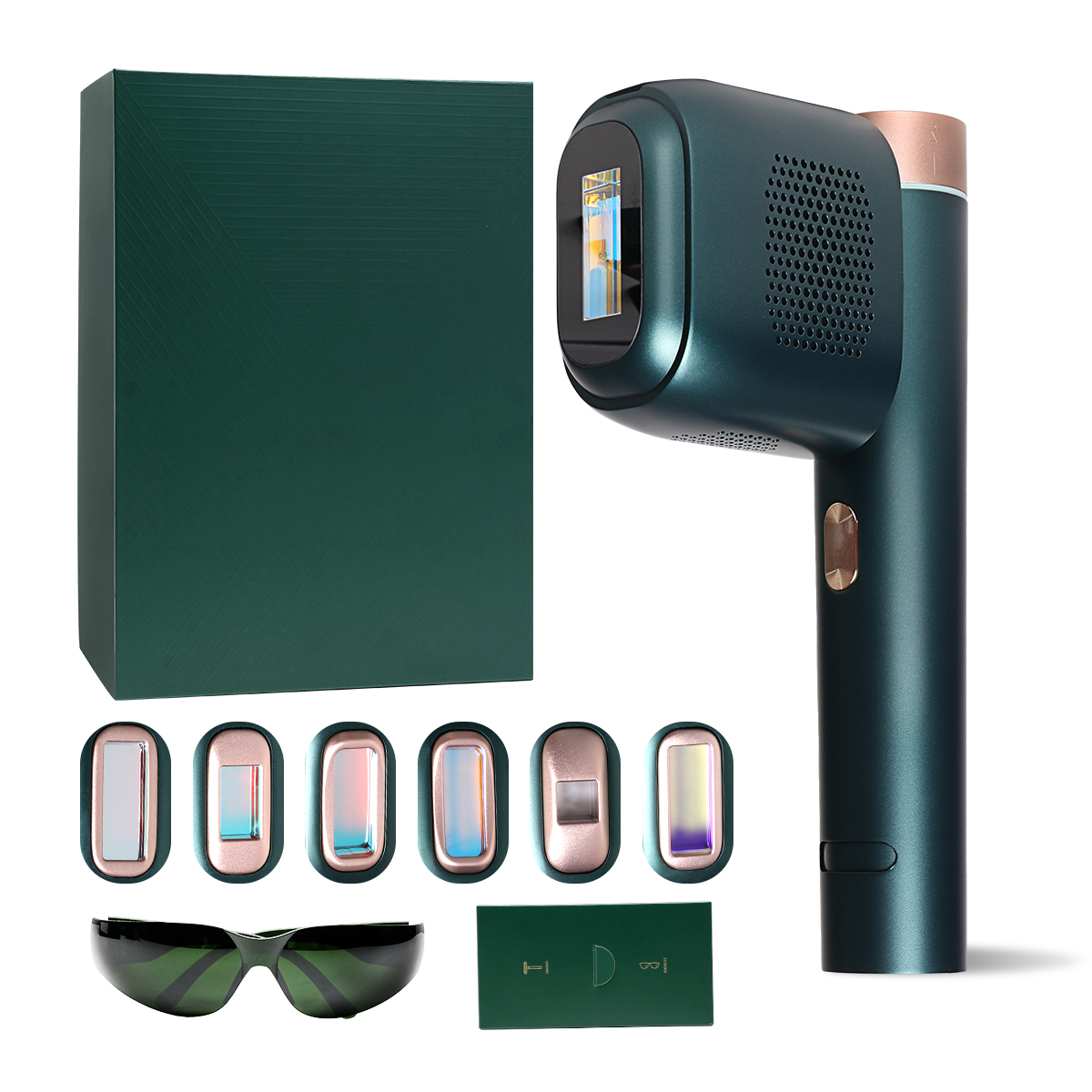
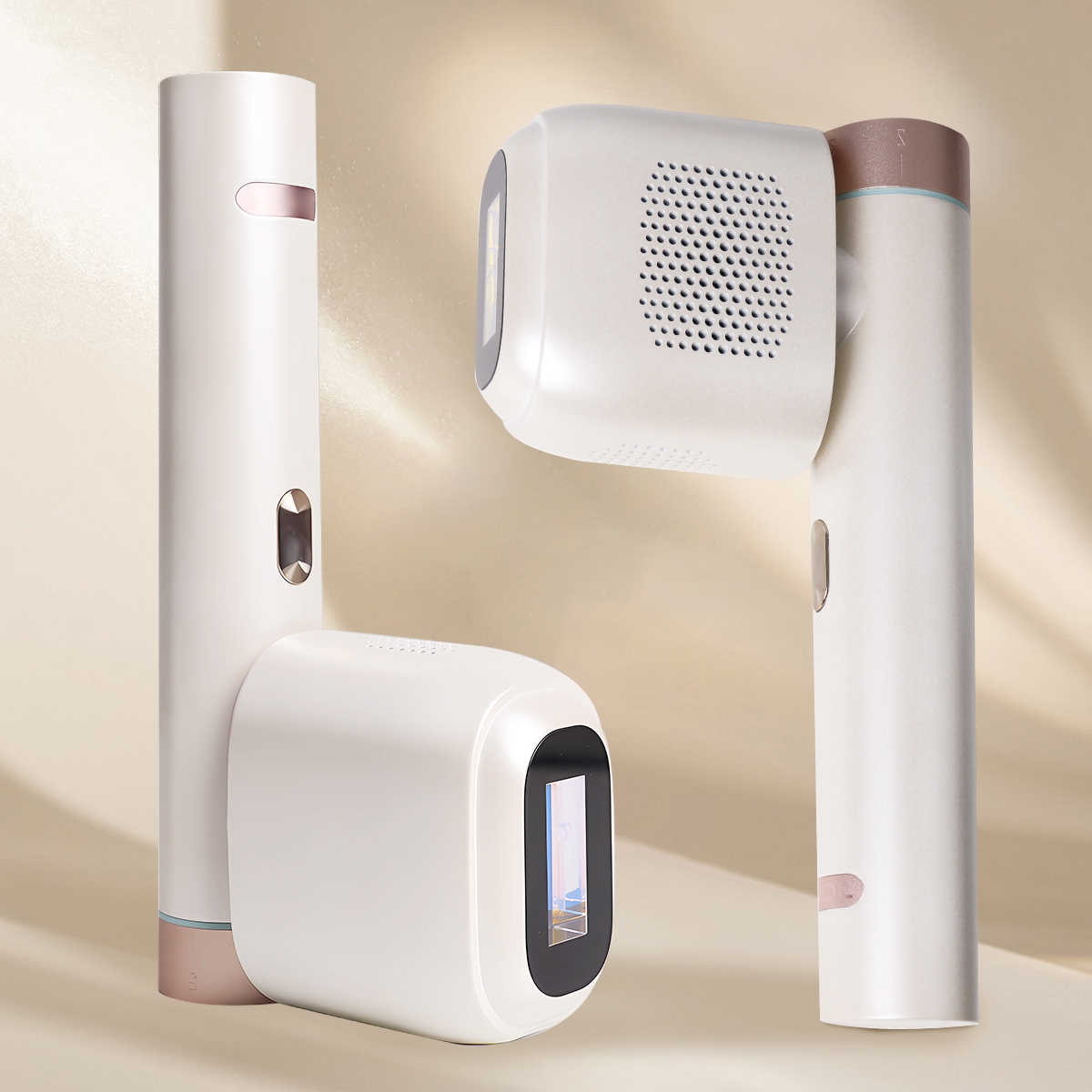
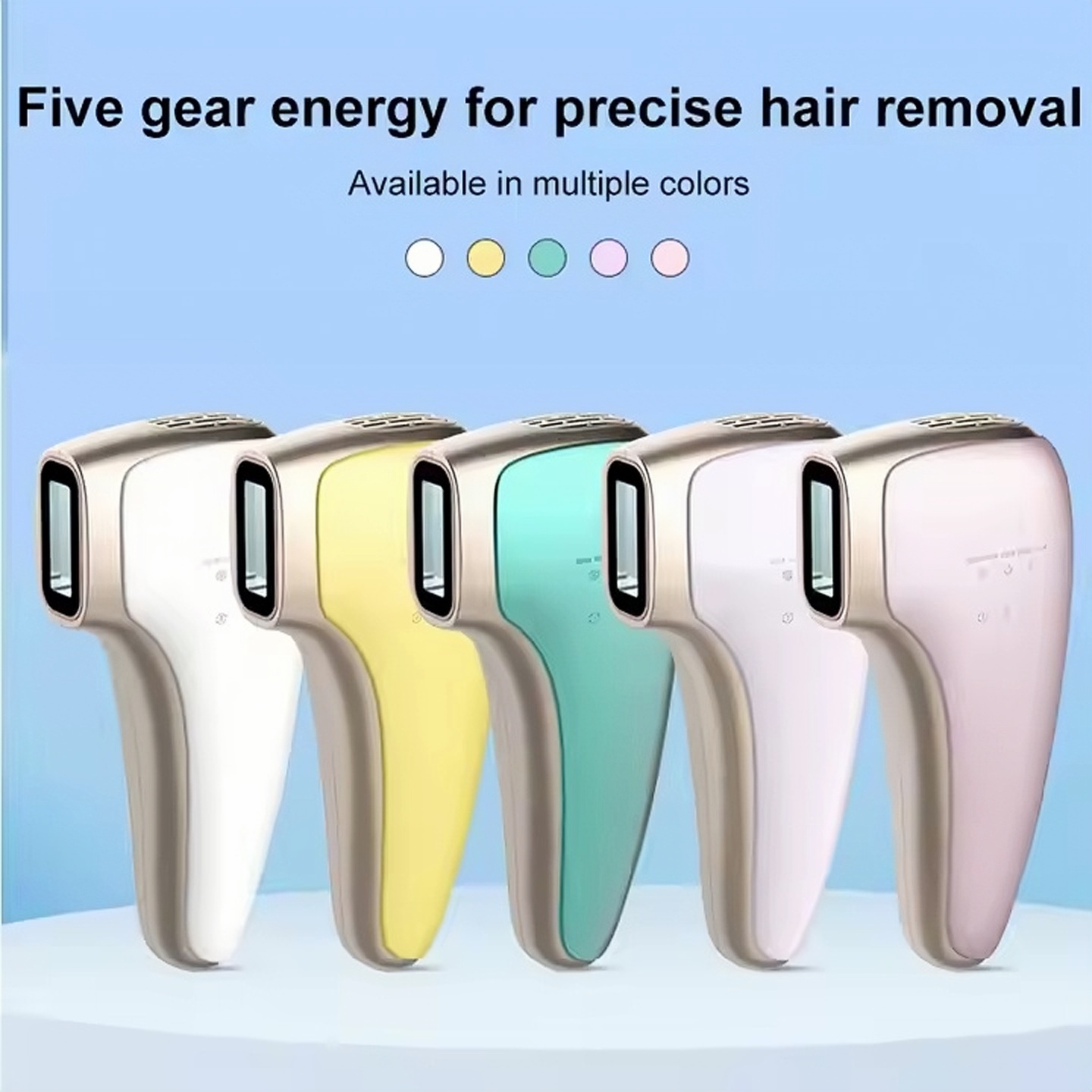
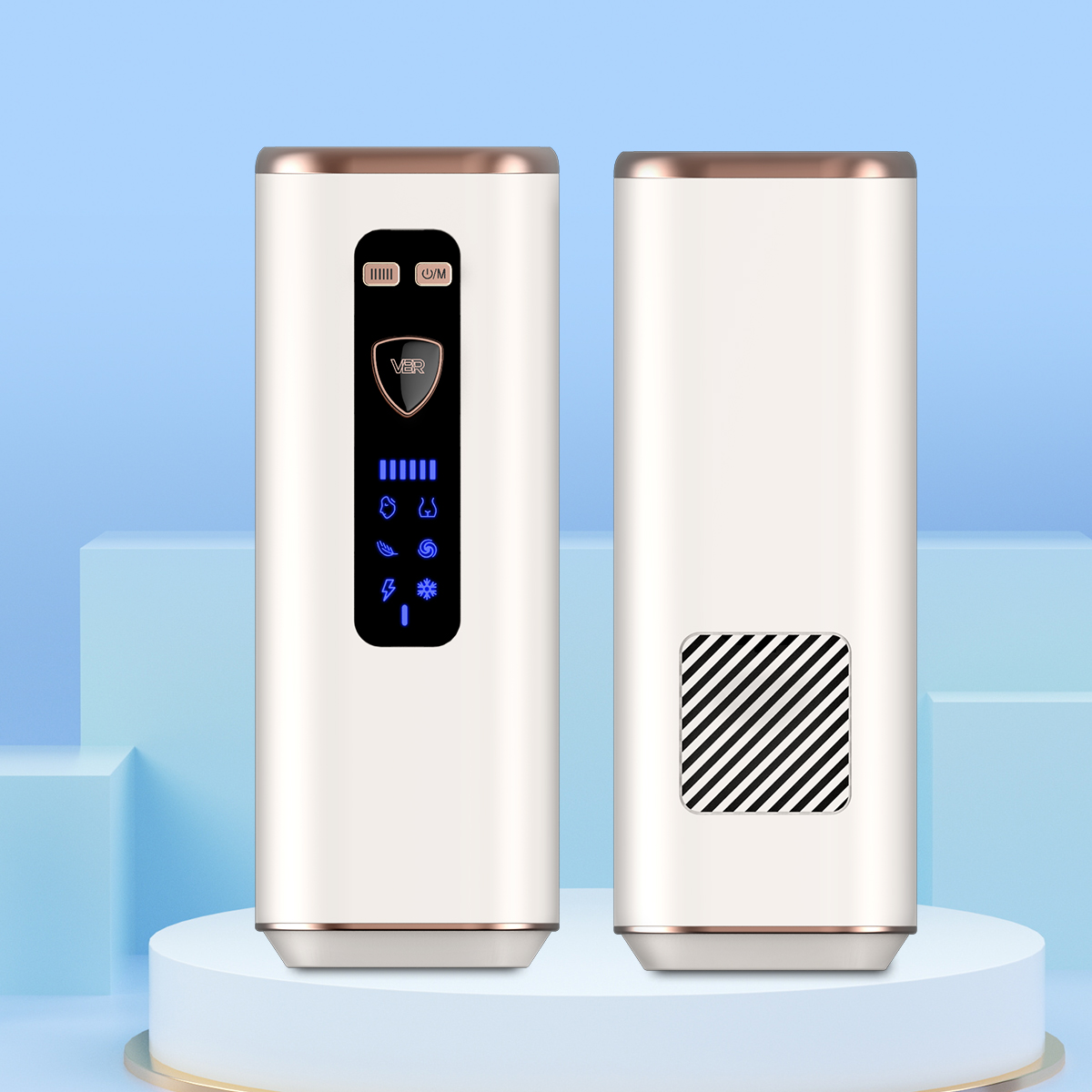
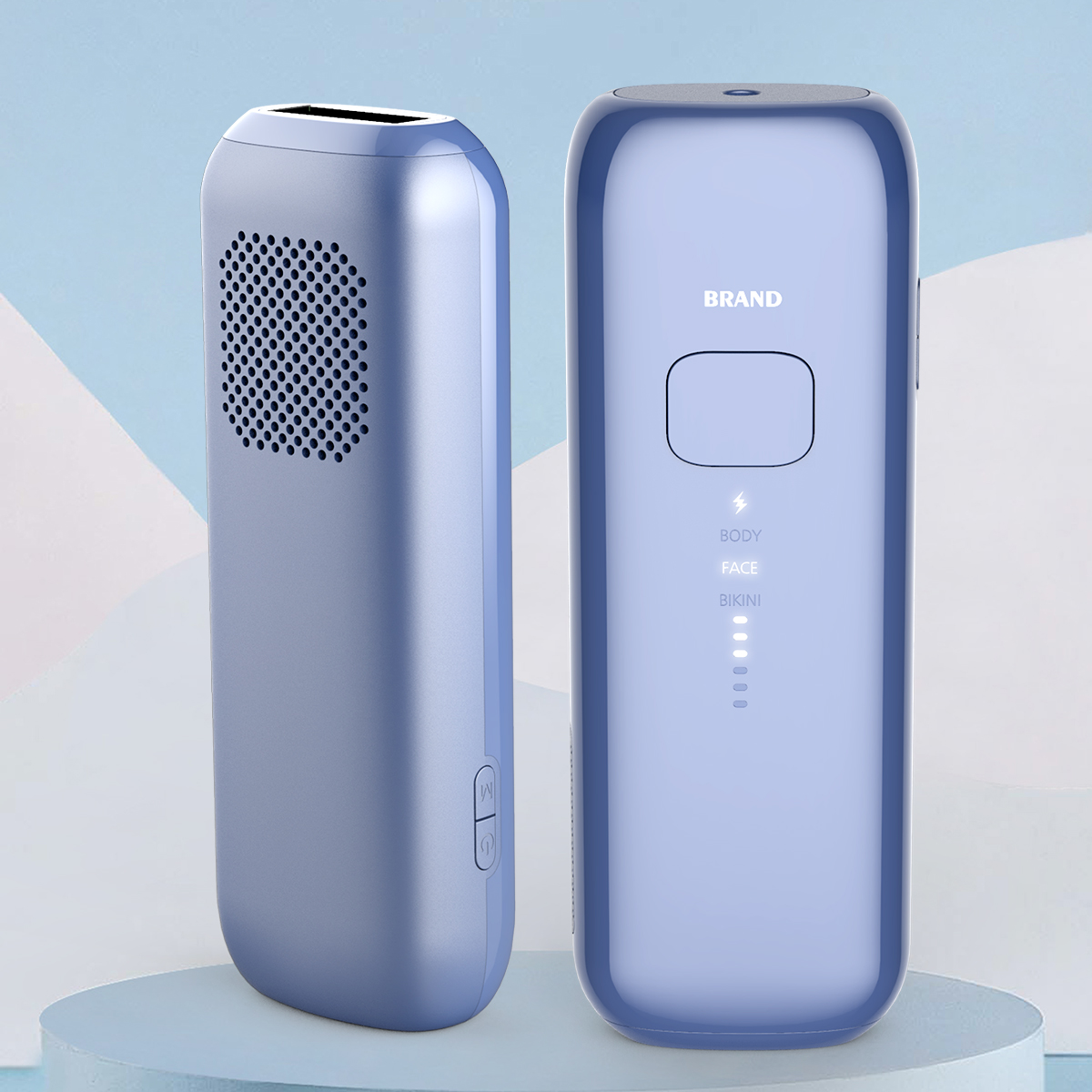
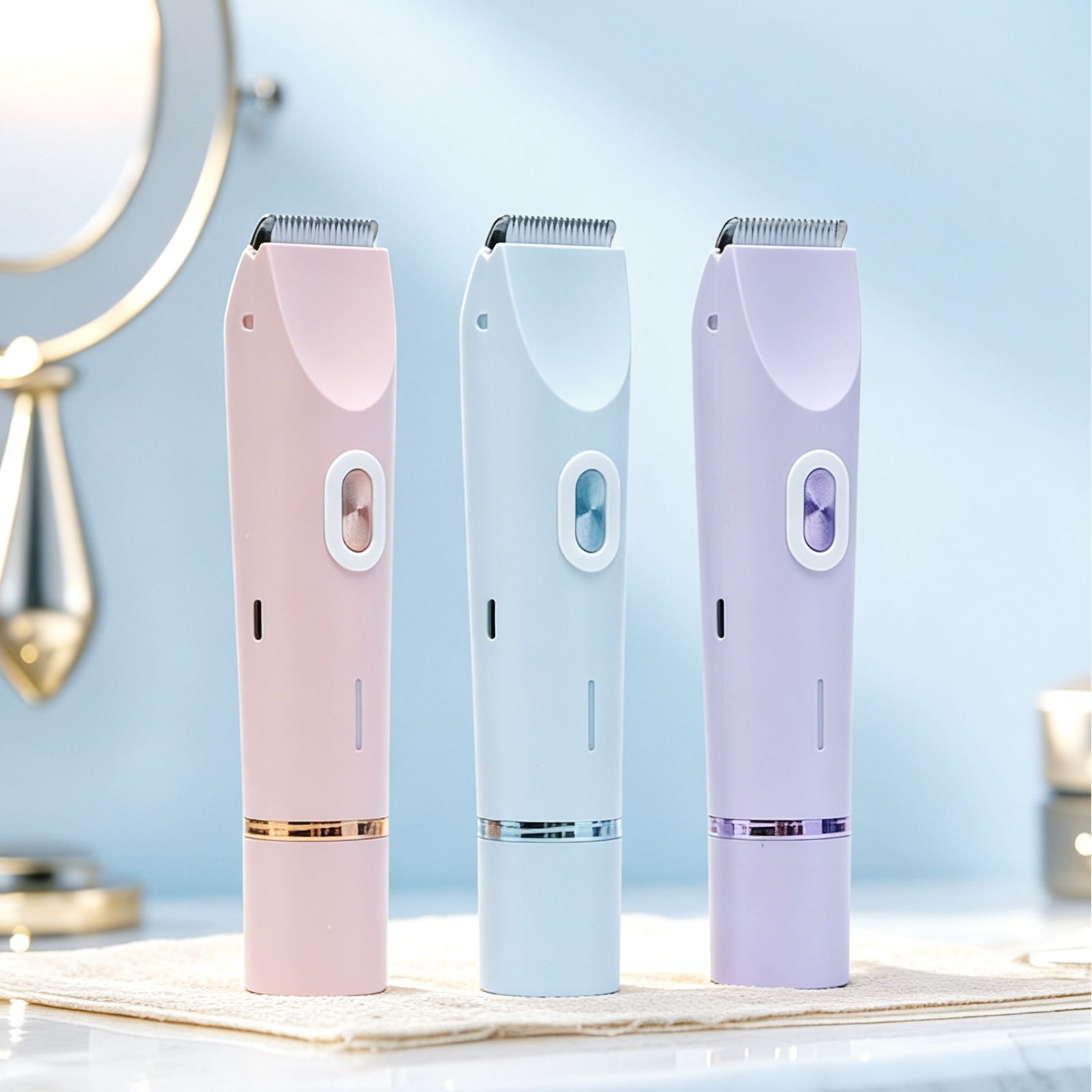
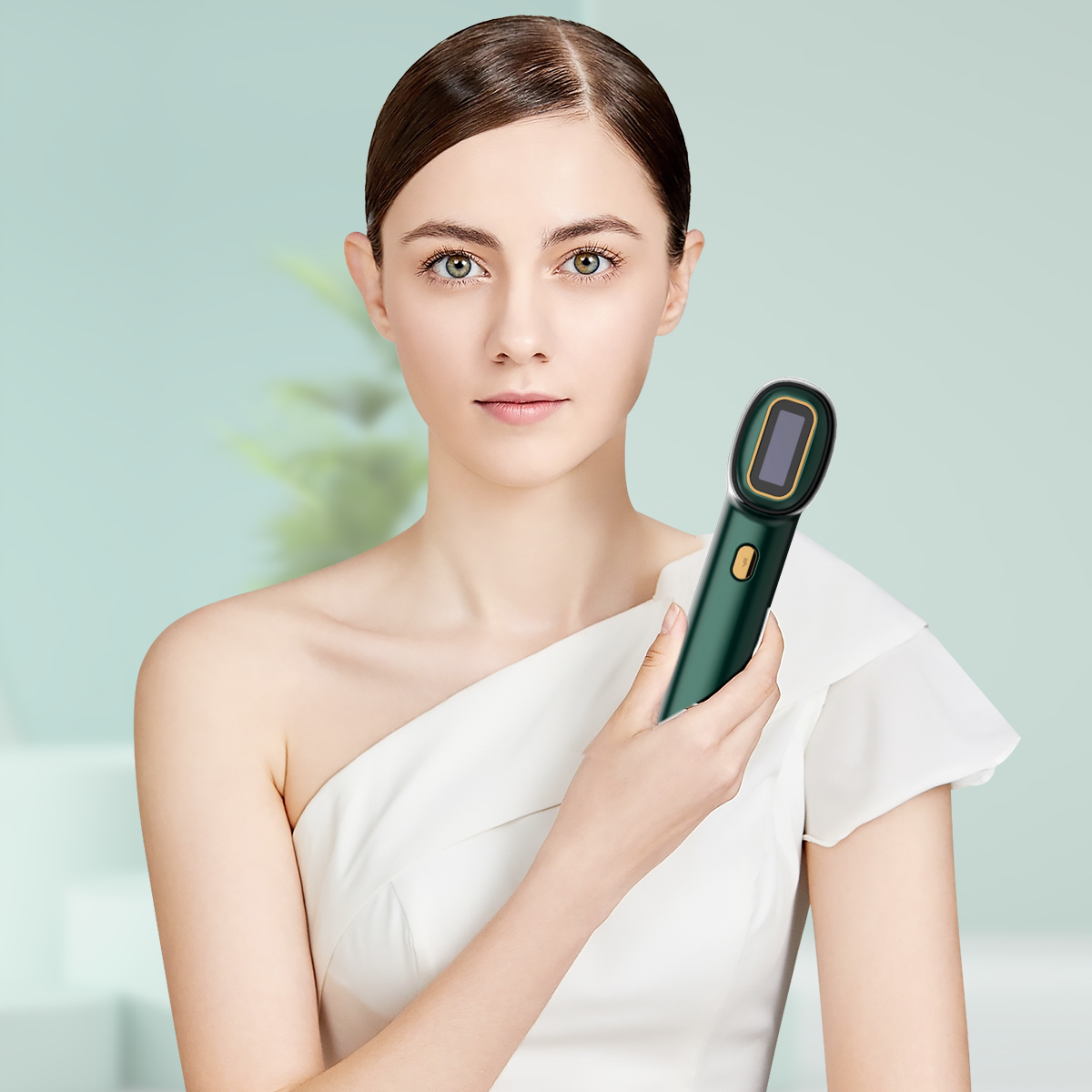
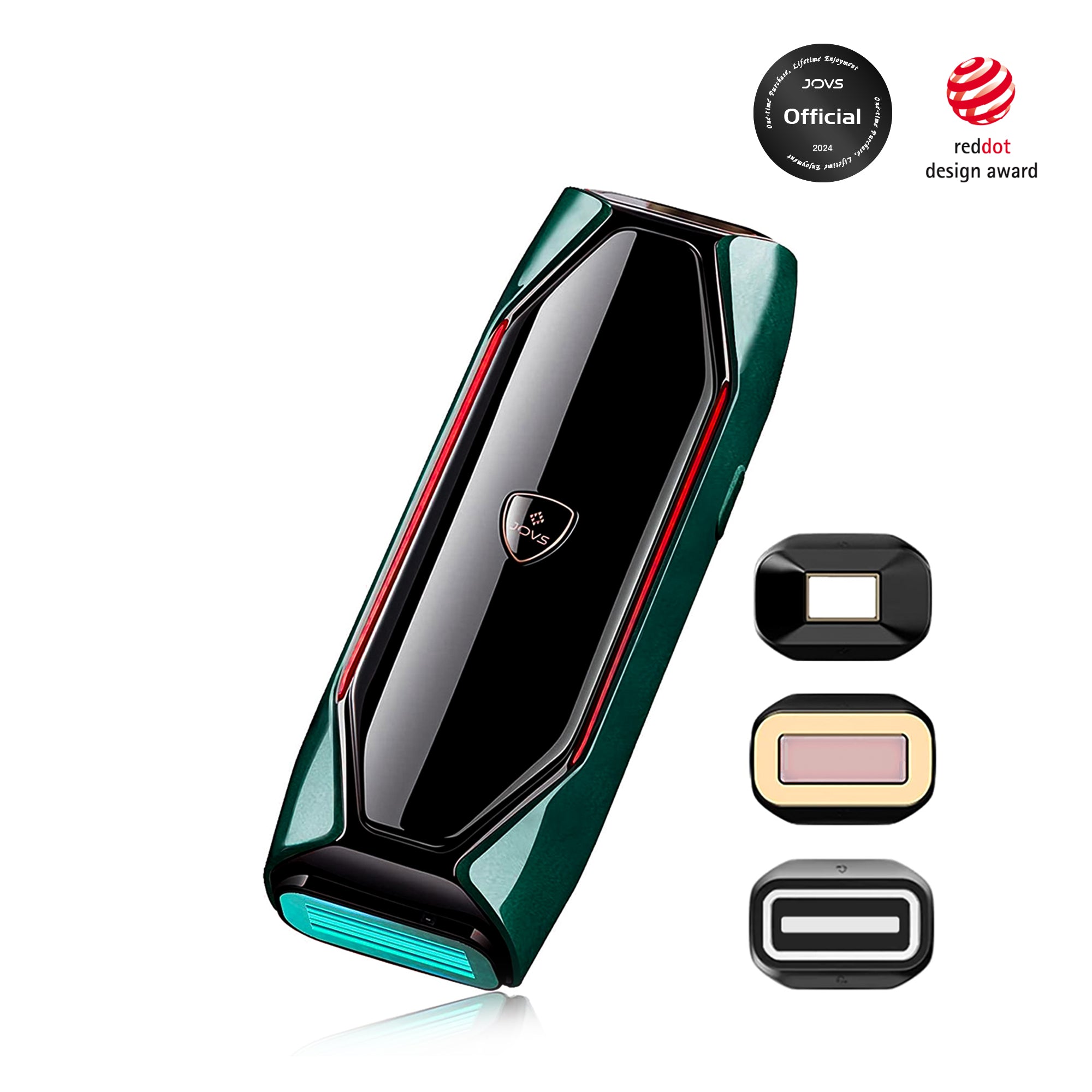
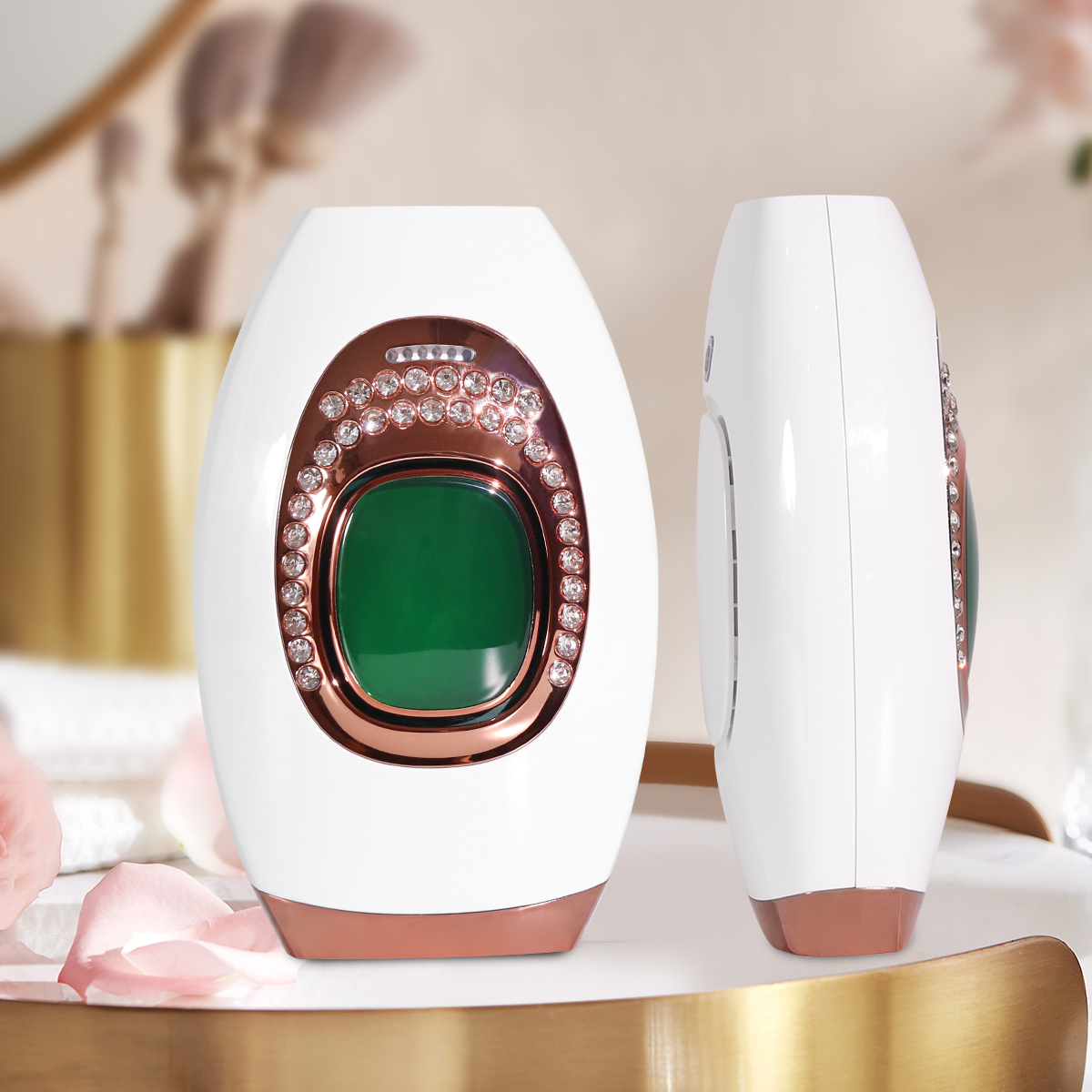
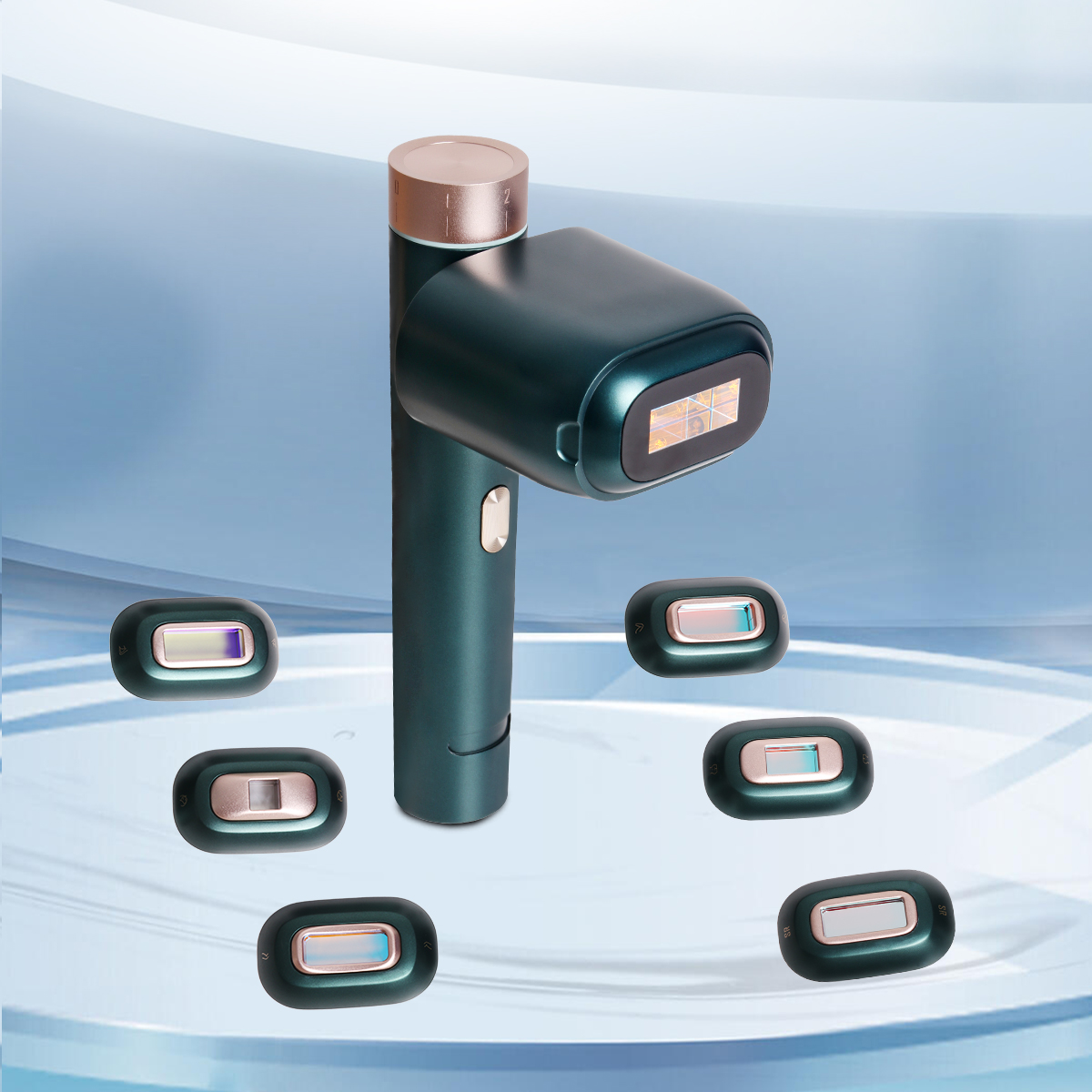
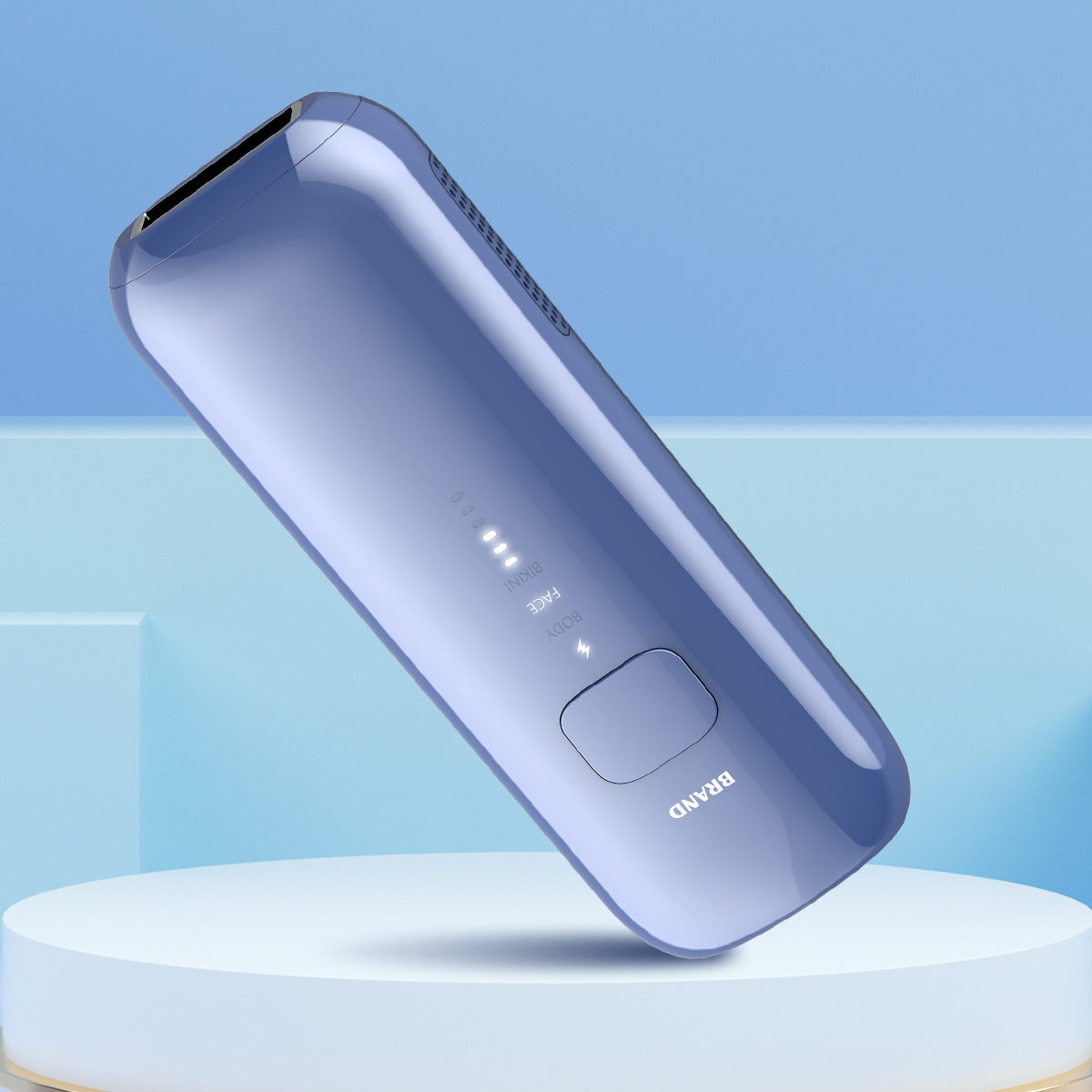
In 2025, the world of hair removal has seen a significant shift towards at-home solutions, with consumers increasingly relying on devices like IPL (Intense Pulsed Light) at home for a more convenient hair removal experience. One of the most debated topics in this realm is the role of power in these home hair removal devices.
Power and Its Impact on Hair Removal Effectiveness
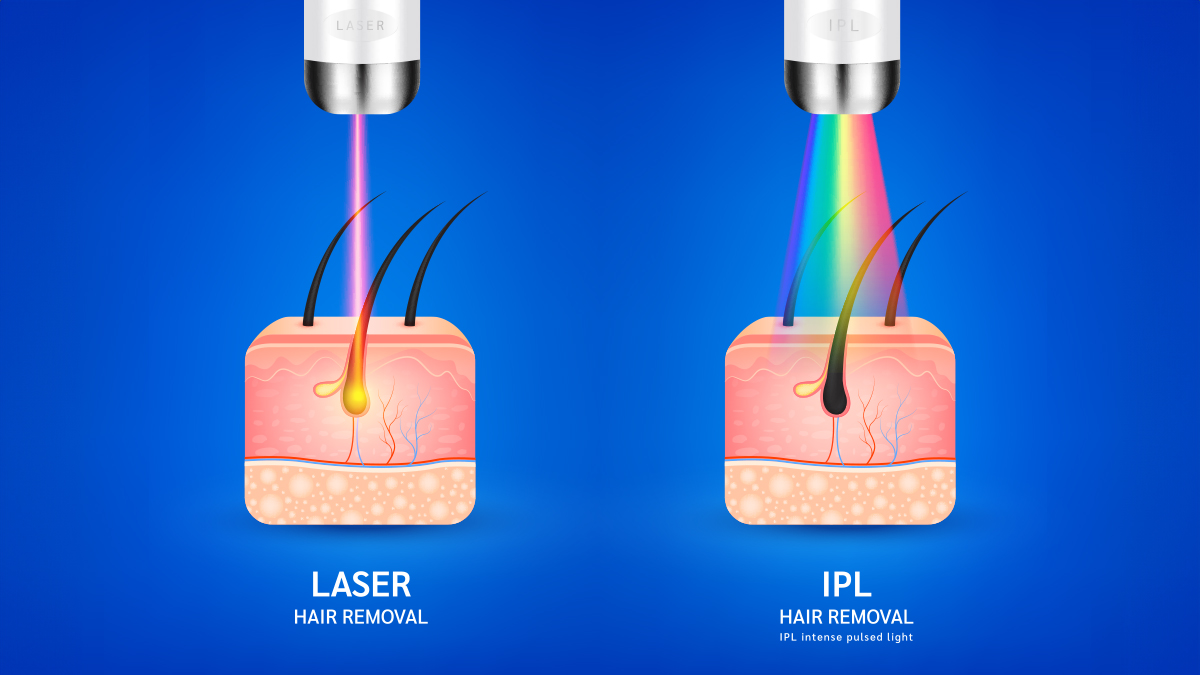
The power of a hair removal device, such as an IPL at home device, is a crucial factor in determining its effectiveness. Generally, a higher-powered device has the potential to deliver more energy to the hair follicles. For instance, in laser-based hair removal, whether professional or at home, the energy targets the pigments in the hair. This energy is then absorbed by the hair follicle, which heats up and gets damaged, ultimately inhibiting hair growth.
In the case of home use IPL devices, a more powerful unit can potentially provide a more substantial reduction in hair growth over time. Clinical studies have shown that consistent use of an IPL device with an appropriate power output can lead to a significant decrease in hair density. However, it's not as simple as just opting for the highest-powered device available.
Balancing Power with Skin Safety
While higher power might seem appealing for better hair removal results, it also comes with potential risks. The key here is to balance the power of the hair removal device with skin safety. Most hair removal devices, especially those designed for home use, are engineered to be safe for a wide range of skin types. But as the power increases, so does the risk of skin irritation, burns, or other adverse effects.
For example, people with sensitive skin need to be particularly cautious when choosing a hair removal device based on power. A high-powered device that works well for someone with normal skin might cause redness, discomfort, or even more severe skin reactions in those with sensitive skin. Many modern home hair removal devices, such as the popular Ulike models, come with built-in safety features. These can include skin sensors that detect the skin tone and adjust the energy output accordingly. Some devices also have advanced cooling technology, like the sapphire ice-cooling in Ulike devices. This helps to keep the skin surface cool during the hair removal process, reducing the risk of heat-related skin damage even when using a relatively high-powered setting.
How Power Affects Different Hair Types
Another aspect to consider is how the power of a hair removal device impacts different hair types. Darker and coarser hair generally absorbs more energy from the hair removal device. So, for individuals with thick, dark hair, a slightly more powerful device might be more effective in achieving long-lasting hair removal results. On the other hand, fine, light - colored hair may require a different approach. Lower-powered devices might be sufficient for such hair types, as too much energy can be overkill and may not be absorbed as effectively by the lighter-pigmented hair follicles.
In conclusion, when it comes to hair removal at home in 2025, power plays a multi-faceted role. It can enhance the effectiveness of hair removal but must be carefully considered in relation to skin type, hair type, and safety features. By understanding these factors, consumers can make more informed decisions when choosing a home hair removal device, ensuring they get the best results while minimizing the risk of skin damage. So, whether you're a first time user of an IPL at home device or a seasoned hair removal enthusiast, don't just focus on the power number; look at the whole package of what the device has to offer.