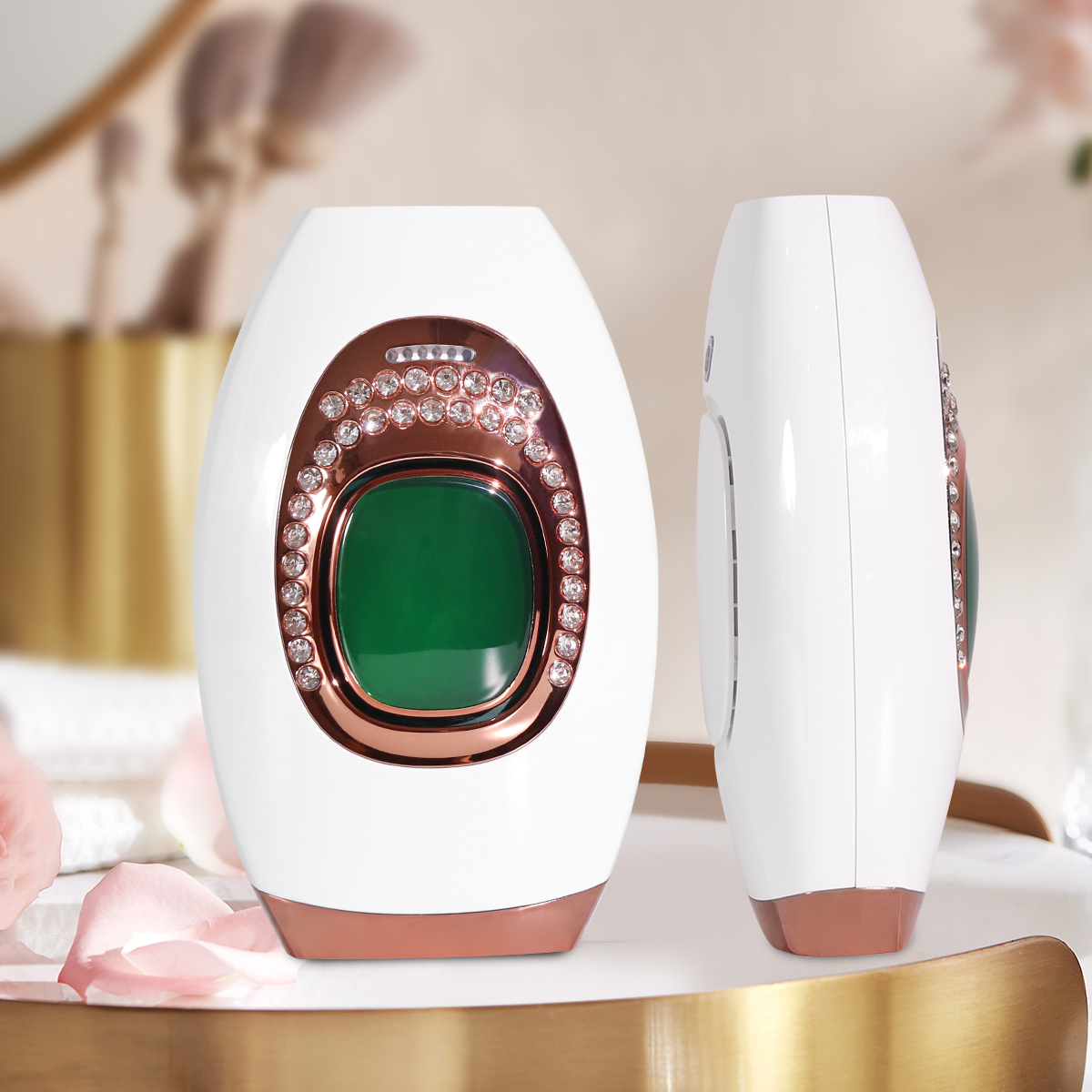
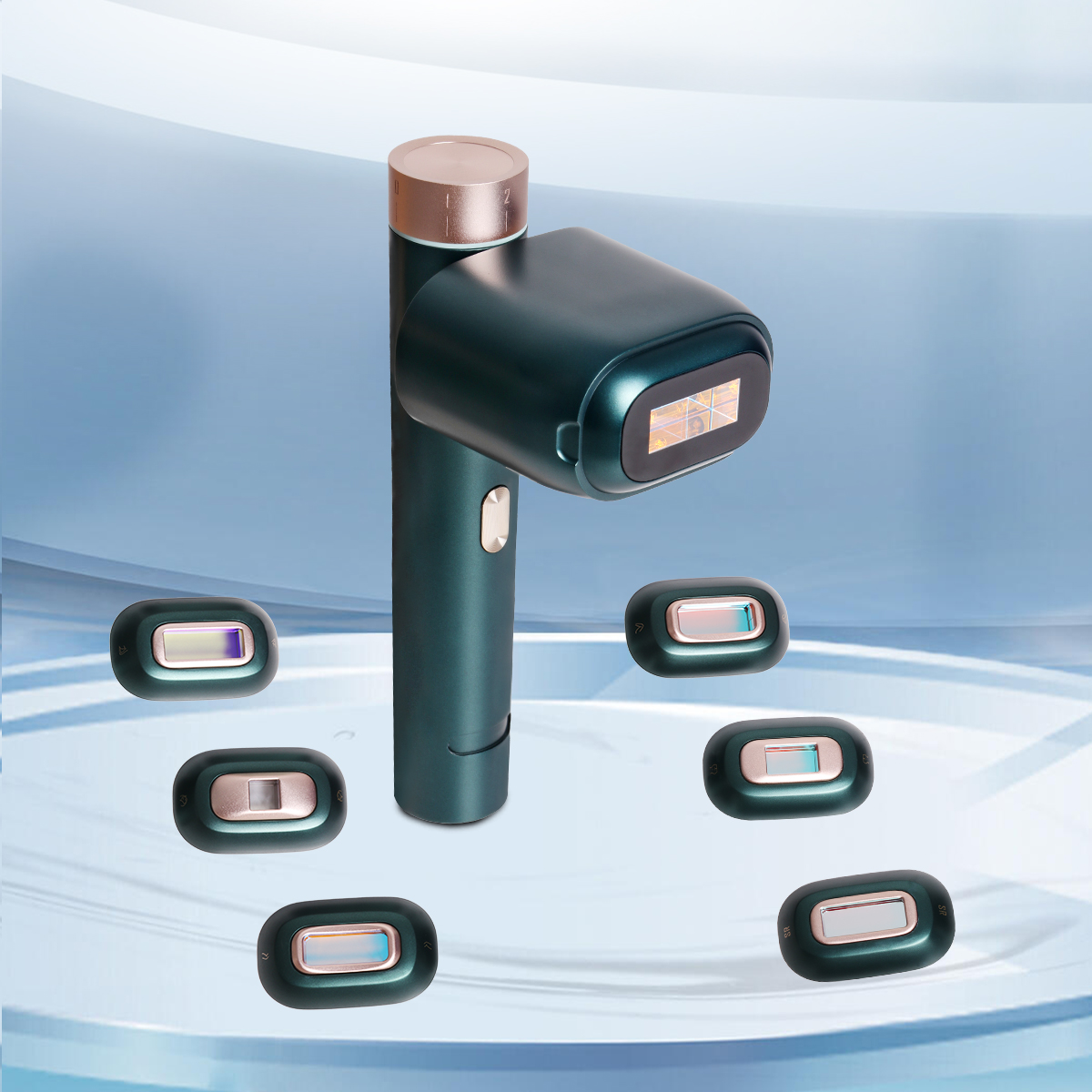
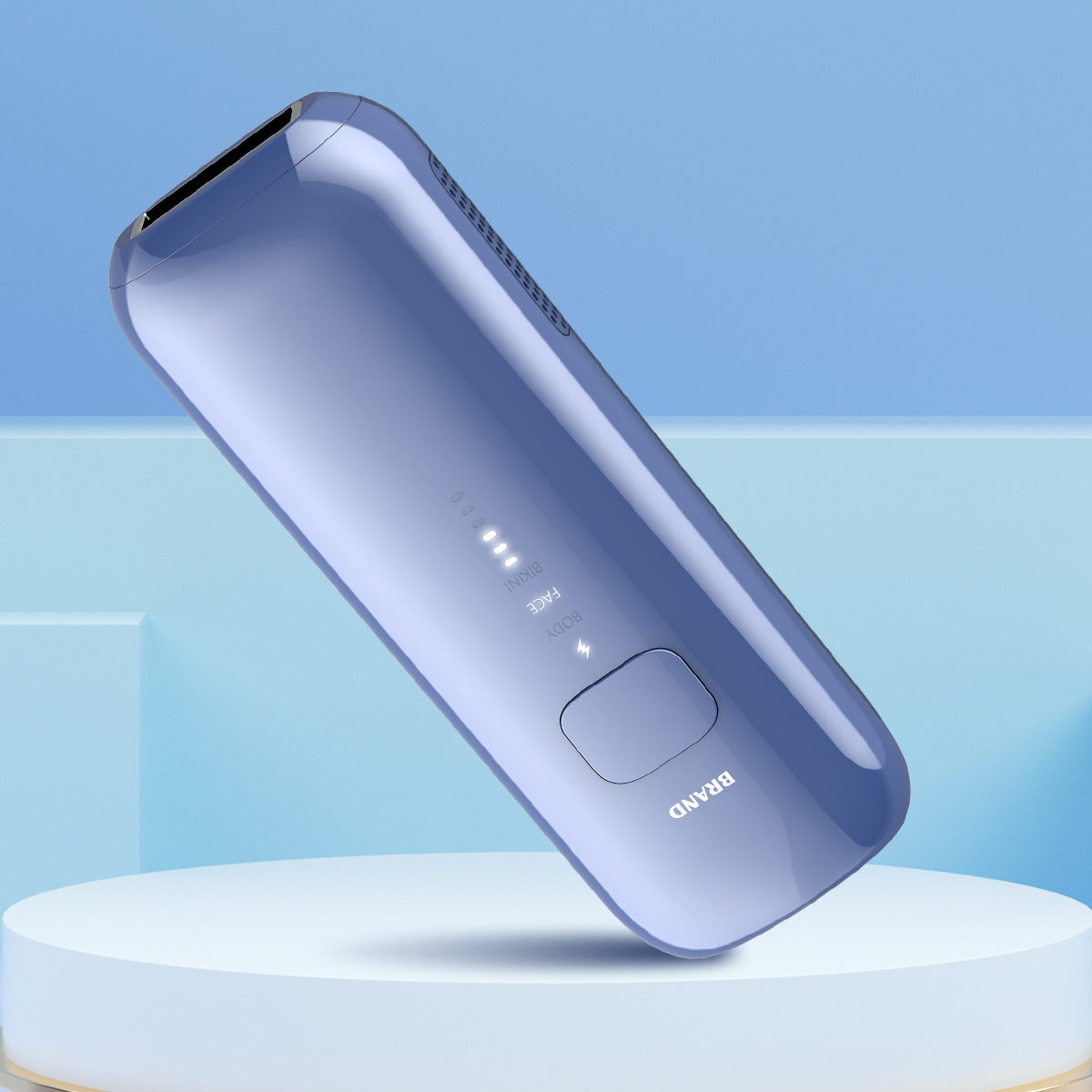
In the quest for long-lasting hair removal, IPL (Intense Pulsed Light) hair removal devices have emerged as a popular choice. But how exactly do these devices work to give you that smooth, hair-free skin? Let's dive into the science.
The Basics of IPL Technology
At its core, IPL technology uses intense pulses of broad-spectrum light. Unlike laser hair removal, which emits a single-wavelength light, IPL emits a range of wavelengths (usually between 500-1200 nanometers). This multi-wavelength light is what makes IPL effective for various hair and skin types, although it still has its limitations and is most suitable for light-to-medium skin tones with darker hair.
The Working Process Step by Step
Step 1: Absorption of Light Energy
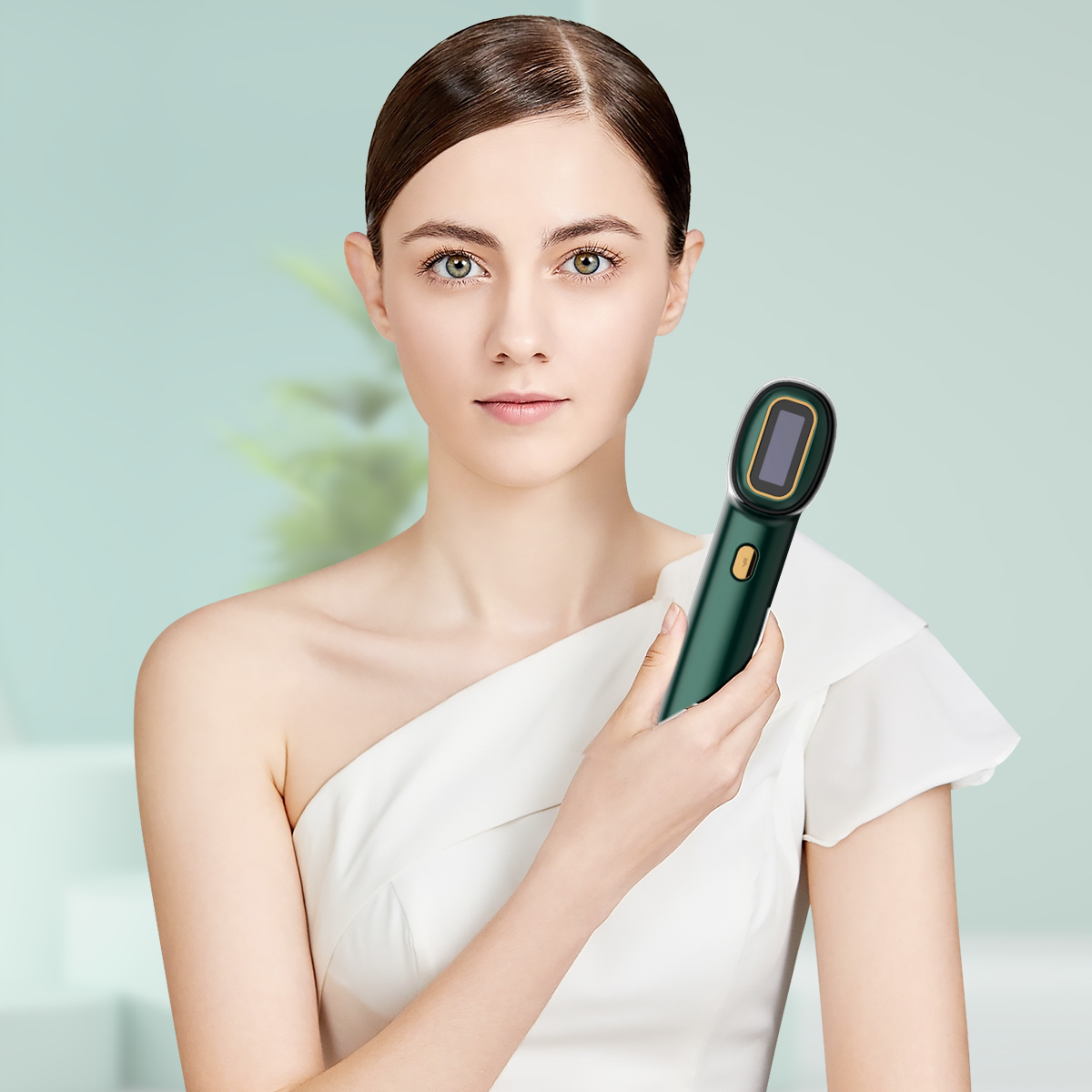
When you turn on the IPL device and press it against your skin, the light energy is emitted in short pulses. The melanin (the pigment that gives color to hair and skin) in the hair follicles absorbs this light energy. Since hair contains more melanin than the surrounding skin, the follicles are the primary targets. The light energy is then converted into heat.
Step 2: Heating and Damage to the Hair Follicle
The heat generated from the absorbed light energy raises the temperature of the hair follicle. This heat is intense enough to damage the cells within the follicle, specifically the stem cells that are responsible for hair growth. By damaging these cells, the follicle is disabled from producing new hair. This process is called photothermolysis, where light energy is used to generate heat and cause targeted damage.
Step 3: The Body’s Response and Hair Shedding
After the hair follicle is damaged, the body's natural healing process kicks in. Over the next few weeks, the damaged follicle pushes the hair out of the skin. You may notice that the treated hairs start to shed, which is a sign that the IPL treatment is working. It's important to note that not all hair follicles are in the same growth phase at once. Hair goes through three phases: the anagen (growth) phase, the catagen (transition) phase, and the telogen (resting) phase. IPL is most effective on hair follicles in the anagen phase. This is why multiple treatment sessions (usually 4-8 sessions spaced a few weeks apart) are required to target all the follicles as they enter the growth phase.
Key Components of an IPL Device
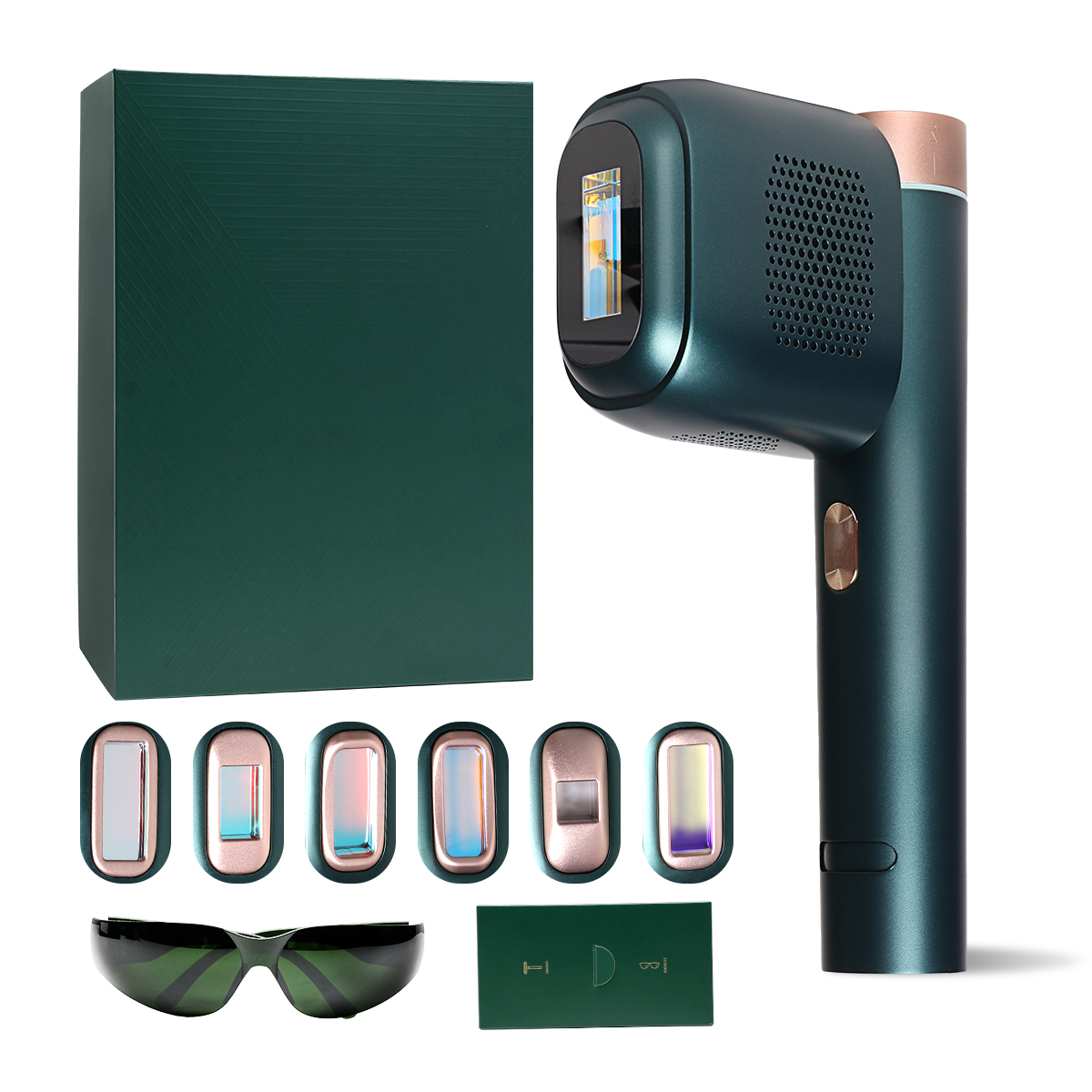
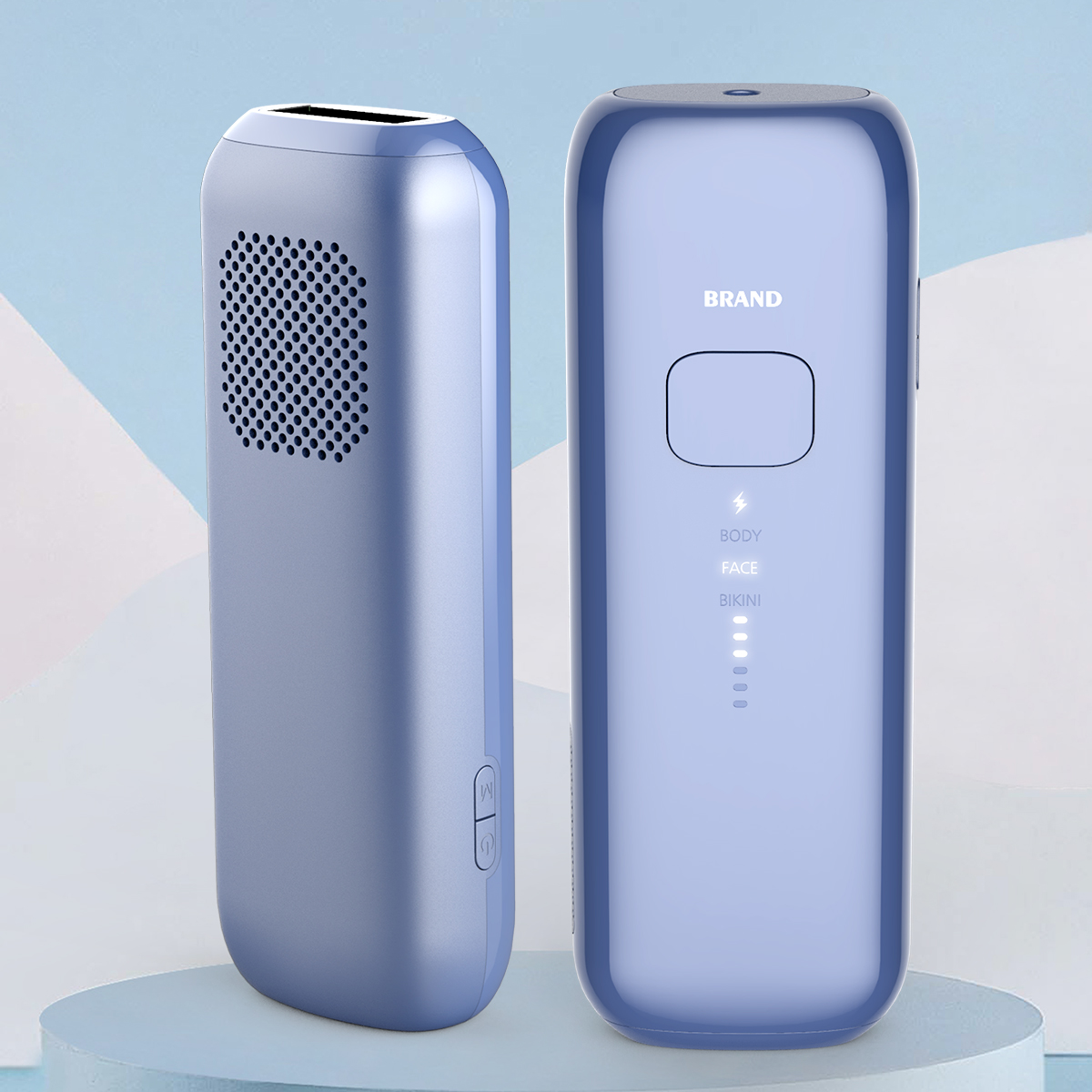
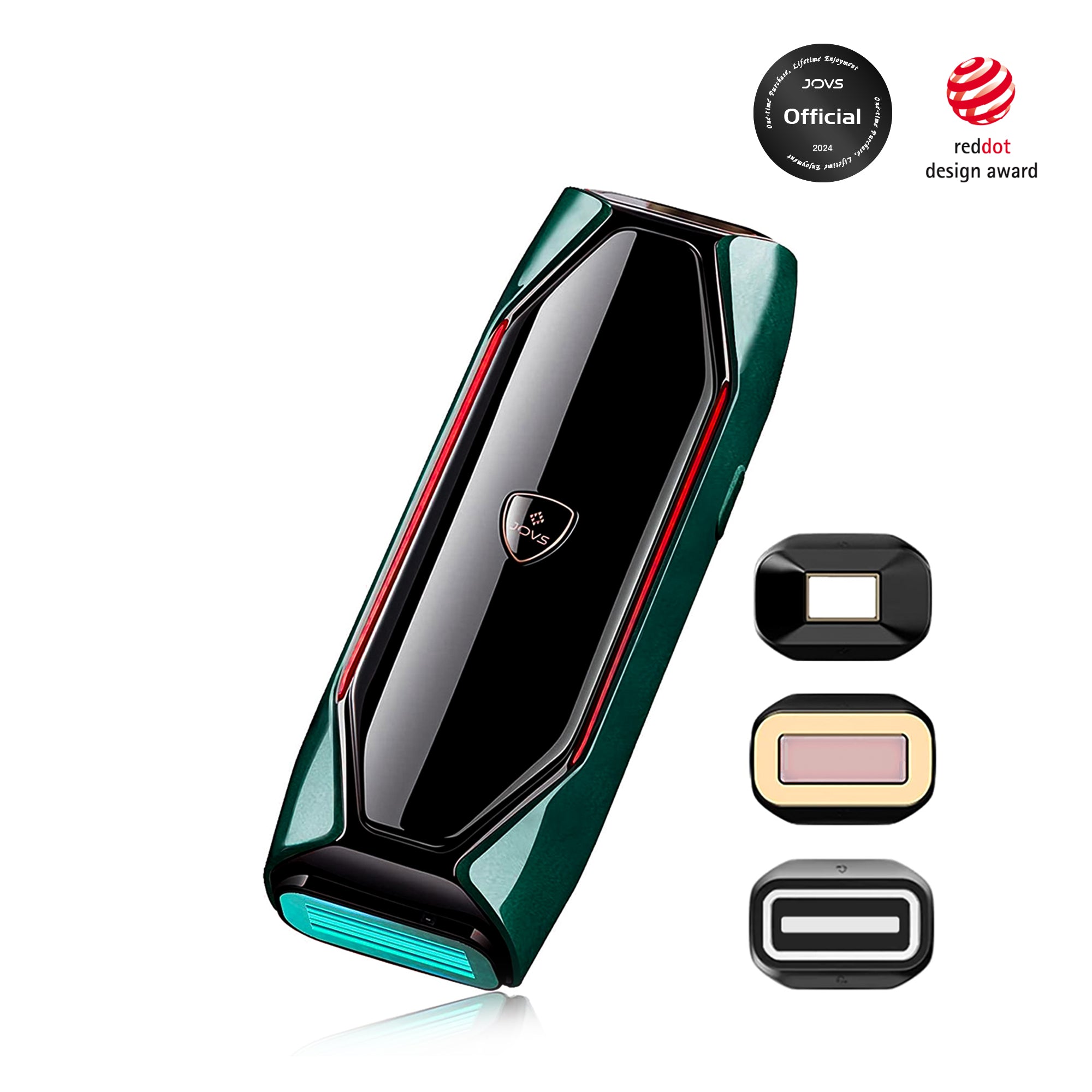
- Light Source: This is the heart of the IPL device. It emits the intense pulses of light. Modern IPL devices often use xenon flash lamps, which are capable of producing high-energy light pulses.
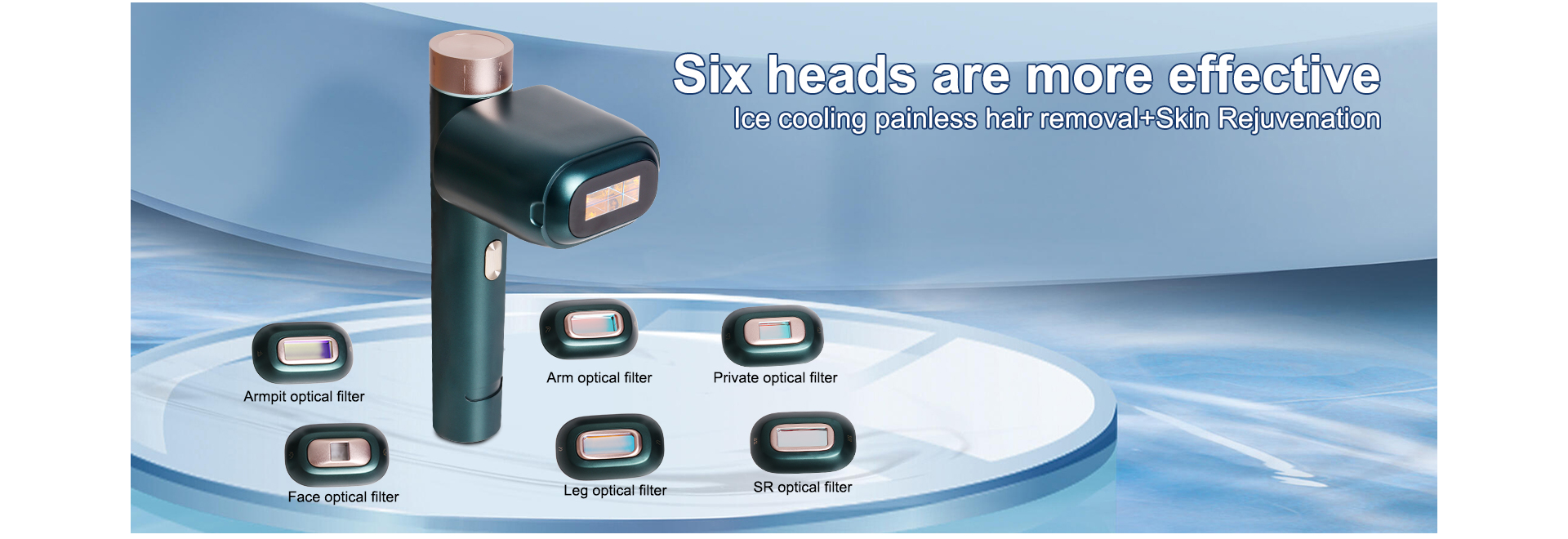
- Filter: Since IPL emits a broad spectrum of light, filters are used to block out the wavelengths that could be harmful to the skin or less effective for hair removal. For example, shorter wavelengths can be absorbed by the surface of the skin and cause burns, so filters are designed to allow only the optimal wavelengths (usually those that target melanin in the hair follicles) to pass through.
- Cooling Mechanism: To protect the skin from the heat generated during the treatment, many IPL devices are equipped with a cooling mechanism. This can be in the form of a cooling plate or a built-in cooling system that cools the surface of the skin just before the light pulse is emitted, reducing the risk of discomfort and skin damage.
Understanding how IPL hair removal devices work not only gives you confidence in the treatment but also helps you use the device more effectively. By knowing the science behind it, you can make informed decisions about your hair removal journey and achieve the smooth, hair-free skin you desire.