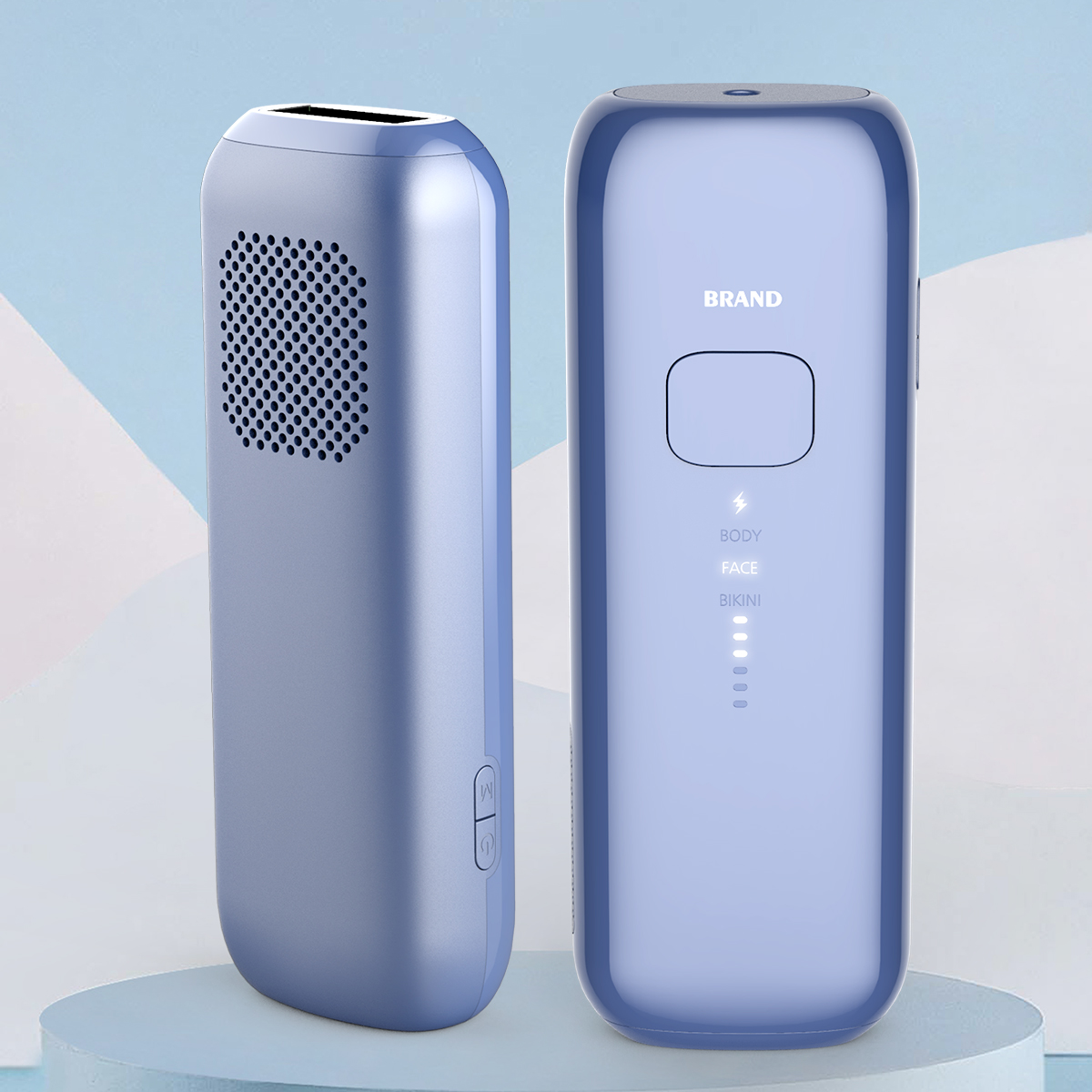
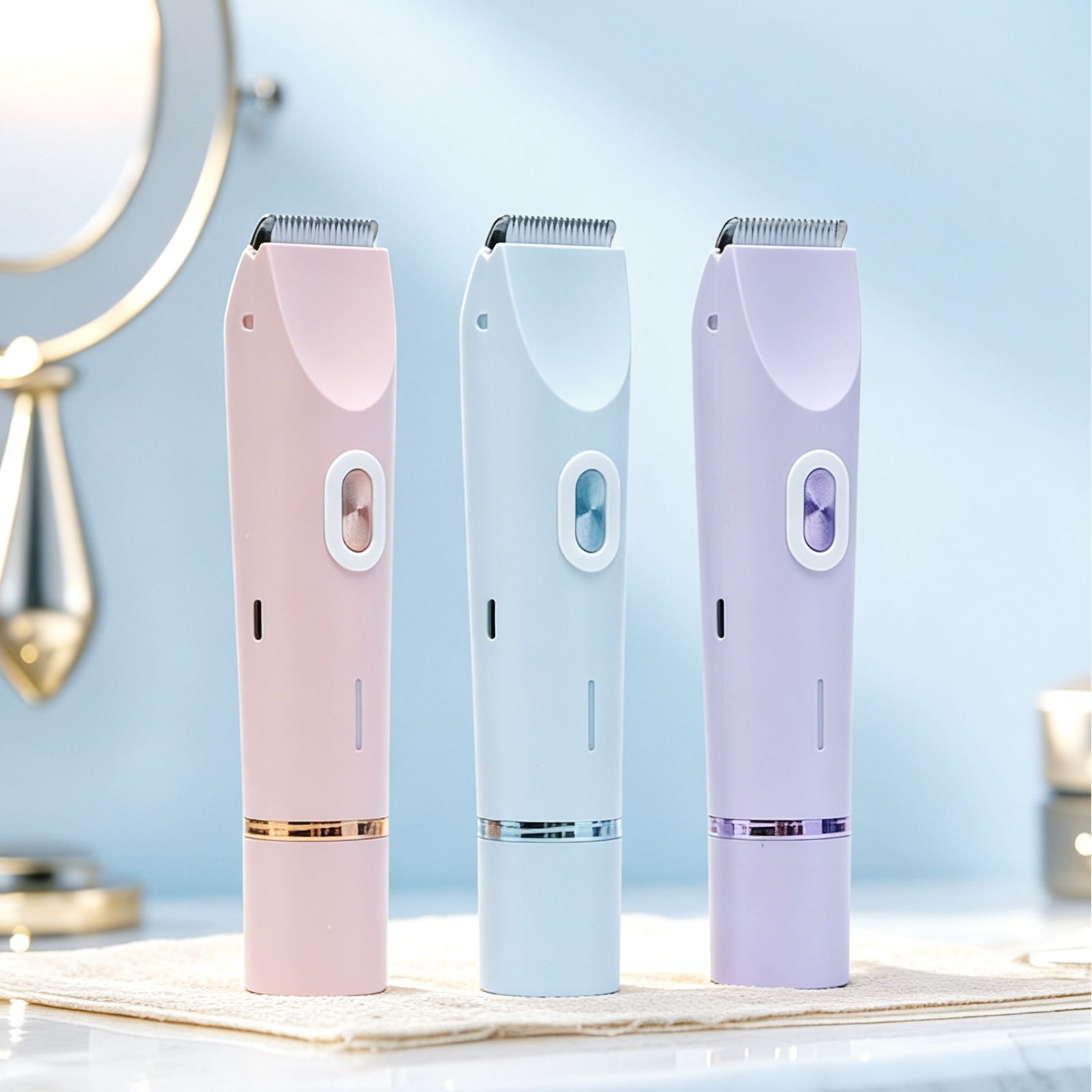
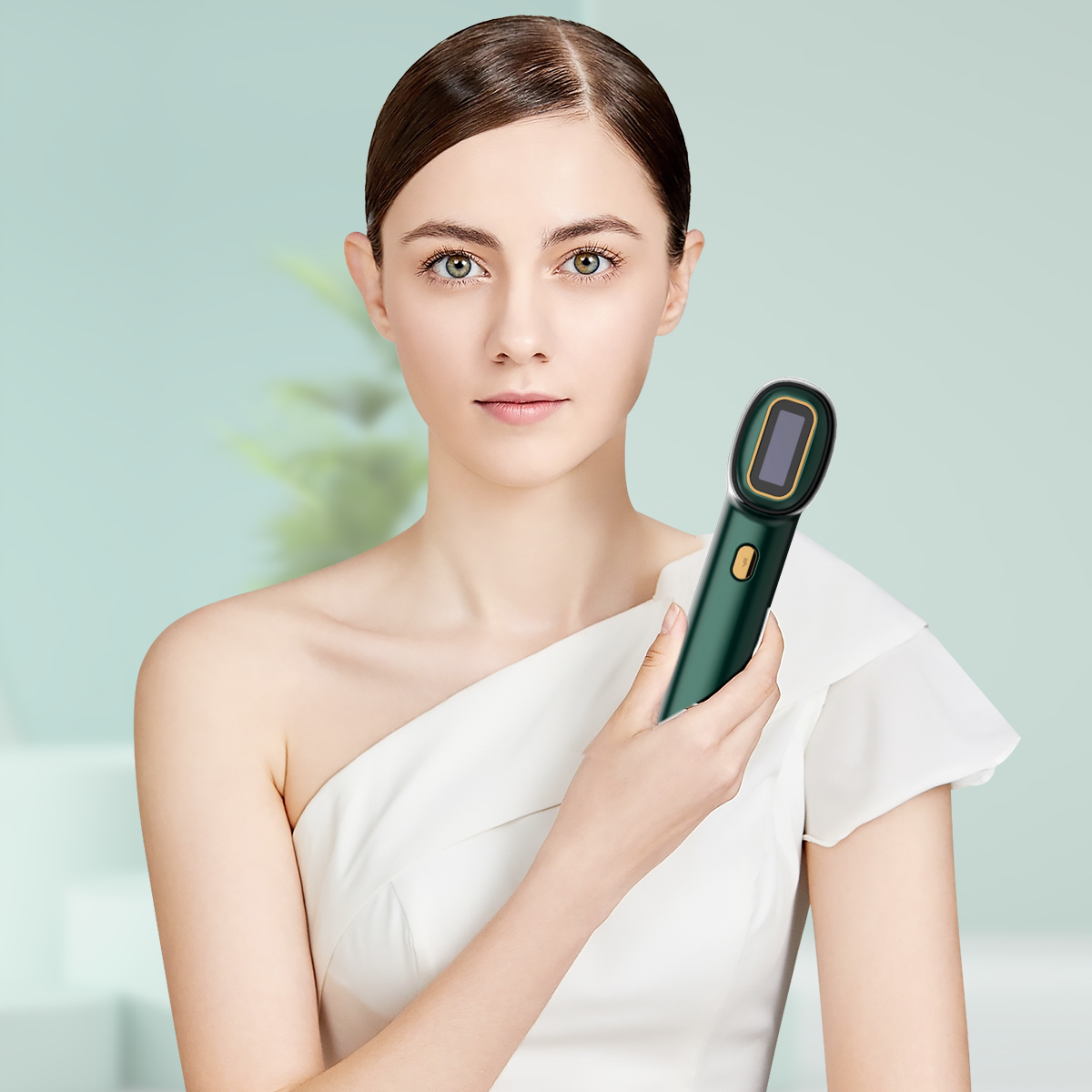
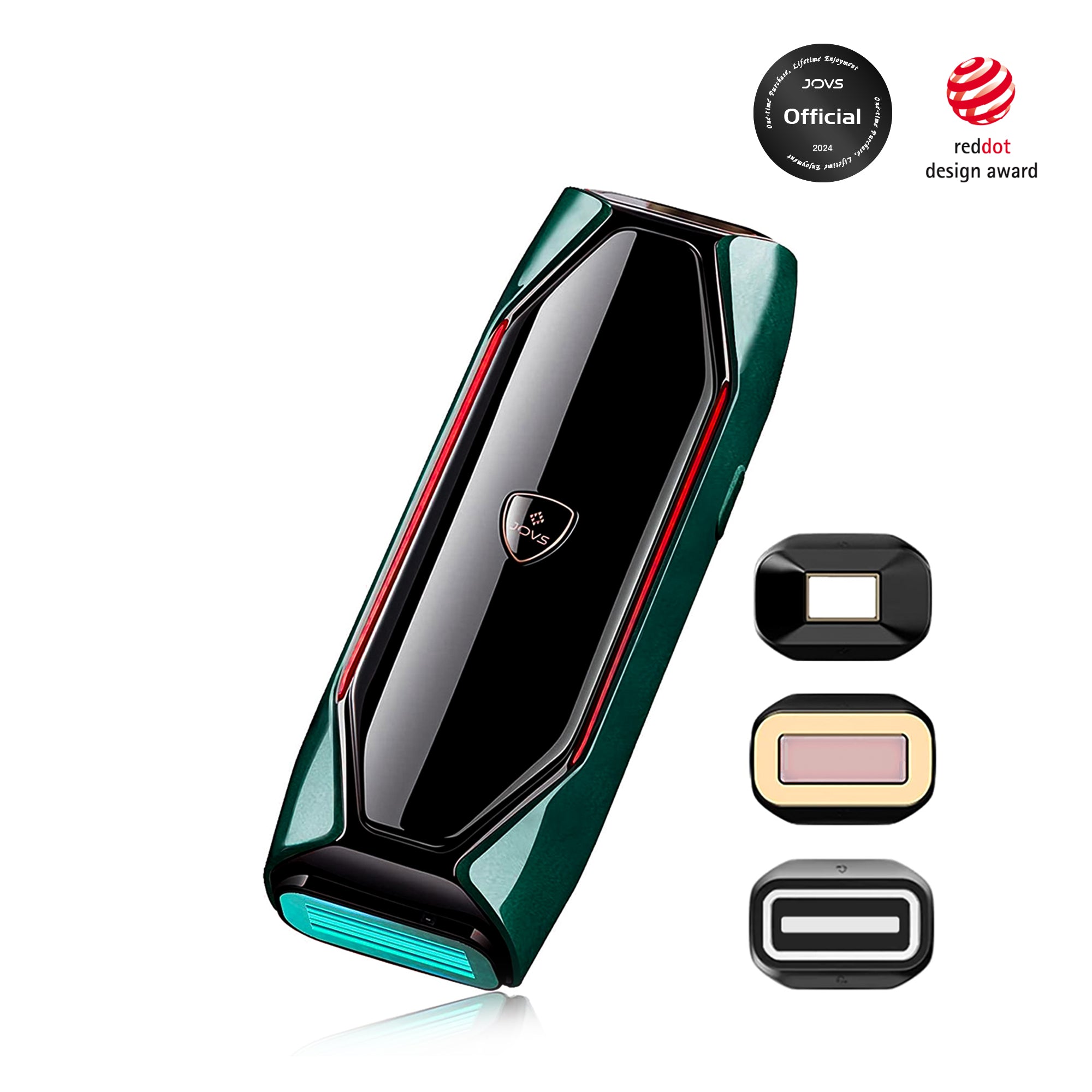
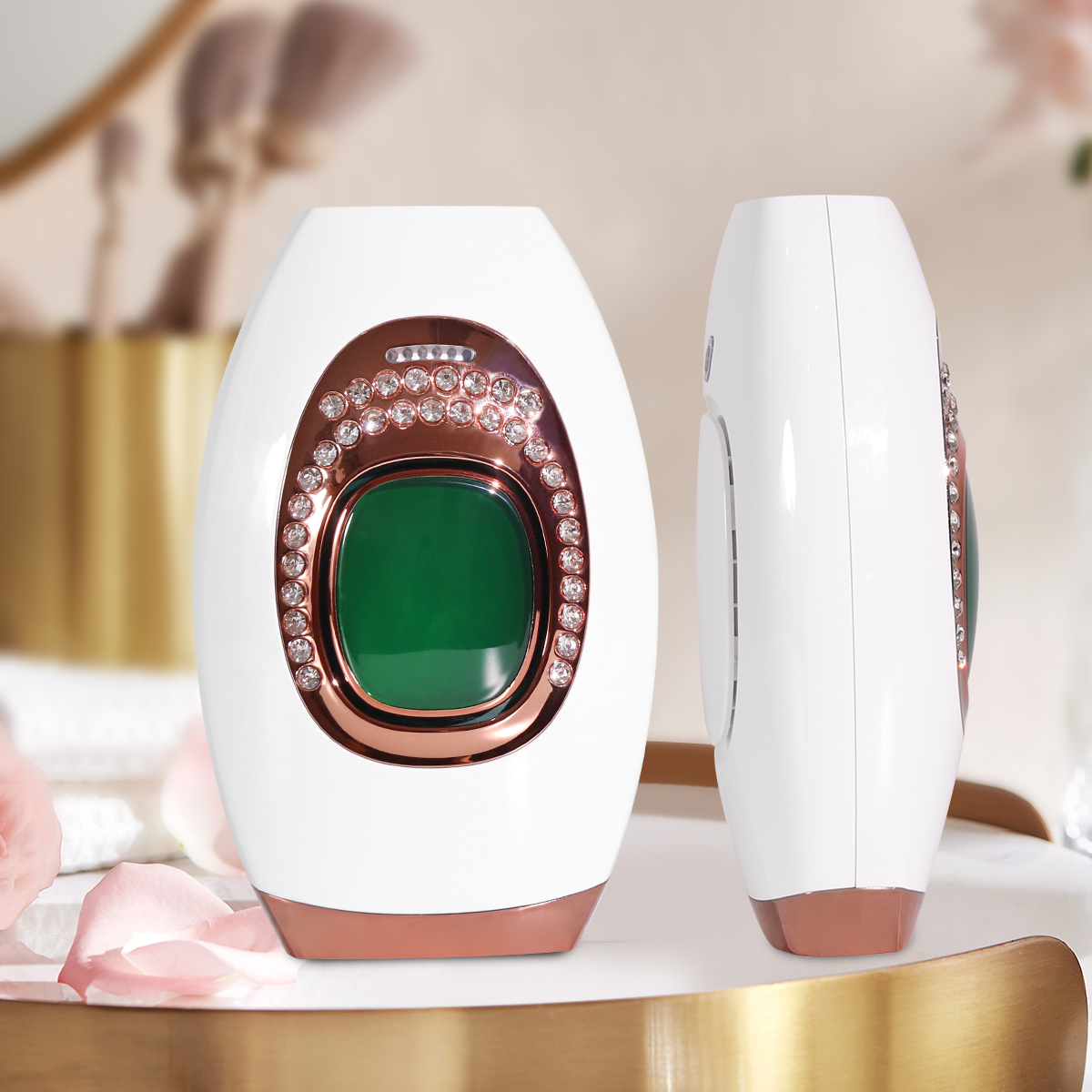
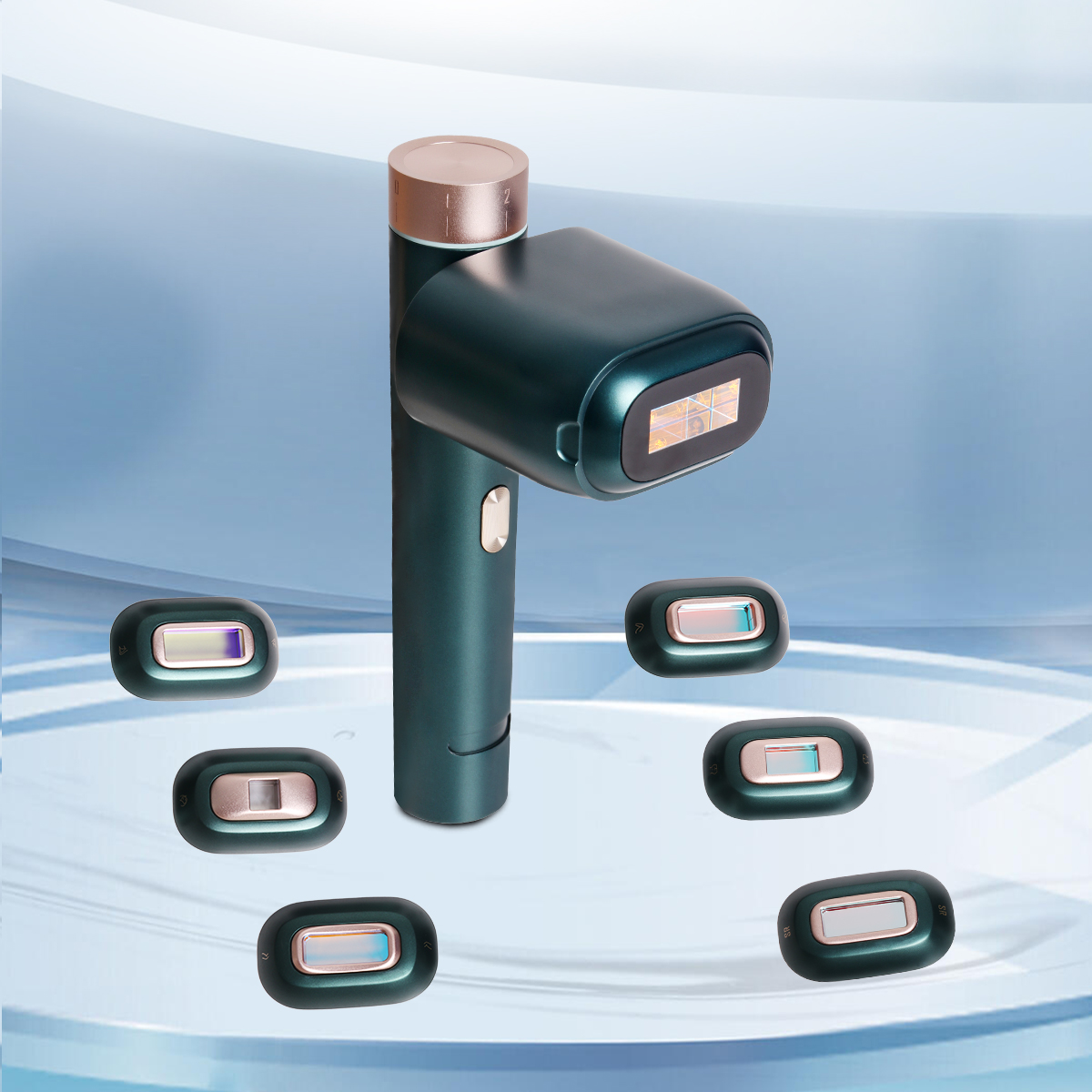
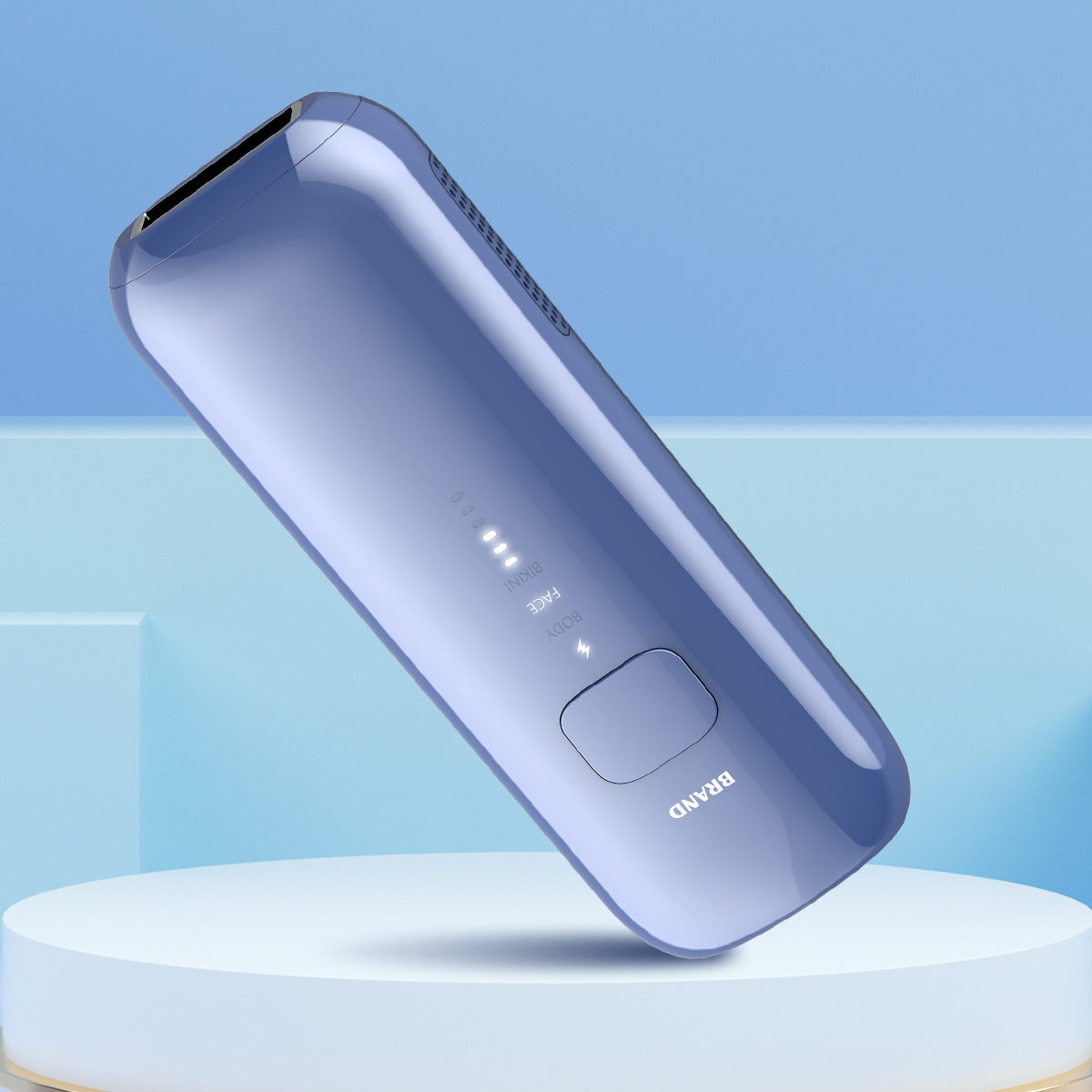
With the increasing popularity of at-home IPL hair removal devices, more and more people are looking for ways to achieve smooth, hair-free skin. However, concerns about ingrown hairs and skin barrier damage often accompany the use of these devices. In this article, we'll explore how to prevent these issues and ensure a safe and effective hair removal experience.
Understanding Ingrown Hairs and Skin Barrier Damage
Ingrown hairs occur when the hair curls back or grows sideways into the skin instead of growing out. This can cause bumps, redness, and in some cases, even infection. Skin barrier damage, on the other hand, can lead to dryness, increased sensitivity, and a higher risk of skin infections. IPL hair removal can potentially contribute to these problems if not done correctly.
Pre-Treatment Precautions
Before using an IPL hair removal device, proper skin preparation is key. Shave the area to be treated before using the IPL device. This is because the IPL light targets the melanin in the hair, and a shorter hair shaft allows the light to penetrate more effectively to the follicle. However, it's important not to shave too closely or use a dull razor, as this can irritate the skin and increase the risk of ingrown hairs. Leave about 1-2mm of hair length.
Exfoliate the skin gently a day or two before treatment. This helps to remove dead skin cells that could potentially trap hair and cause ingrowns. Use a gentle exfoliant suitable for your skin type, such as a chemical exfoliant with alpha-hydroxy acids (AHAs) for normal to oily skin or a physical exfoliant with fine granules for dry skin.
During Treatment
Follow the instructions of your IPL hair removal device carefully. Adjust the energy level according to your skin type and hair thickness. Starting with a lower energy setting and gradually increasing it as your skin gets used to the treatment can help prevent skin barrier damage.
Make sure the device is held properly against the skin. The light needs to be delivered evenly across the treatment area. Some devices come with a built-in sensor that ensures proper contact with the skin. If your device has this feature, use it to your advantage.
Use the device in the correct pattern. Move the device in a slow, overlapping motion to ensure all areas are treated evenly. This reduces the chances of missing any hair follicles, which could lead to uneven hair growth and potentially ingrown hairs.
Post-Treatment Care
Immediately after treatment, soothe your skin. Apply a cold compress or an aloe-vera-based gel to reduce any redness or swelling. Aloe vera has anti-inflammatory properties that can help calm the skin and promote healing.
Continue to exfoliate gently a few times a week after treatment. This helps to keep the skin pores clear and prevent hair from becoming trapped. However, be careful not to over-exfoliate, as this can further damage the skin barrier.
Moisturize your skin regularly. A well-moisturized skin is less likely to develop ingrown hairs and is more resilient to damage. Choose a fragrance-free, hypoallergenic moisturizer suitable for your skin type.
By following these pre-treatment, during-treatment, and post-treatment steps, you can significantly reduce the risk of ingrown hairs and skin barrier damage when using an at-home IPL hair removal device. Remember, a little care and attention can go a long way in achieving smooth, healthy, and hair-free skin.