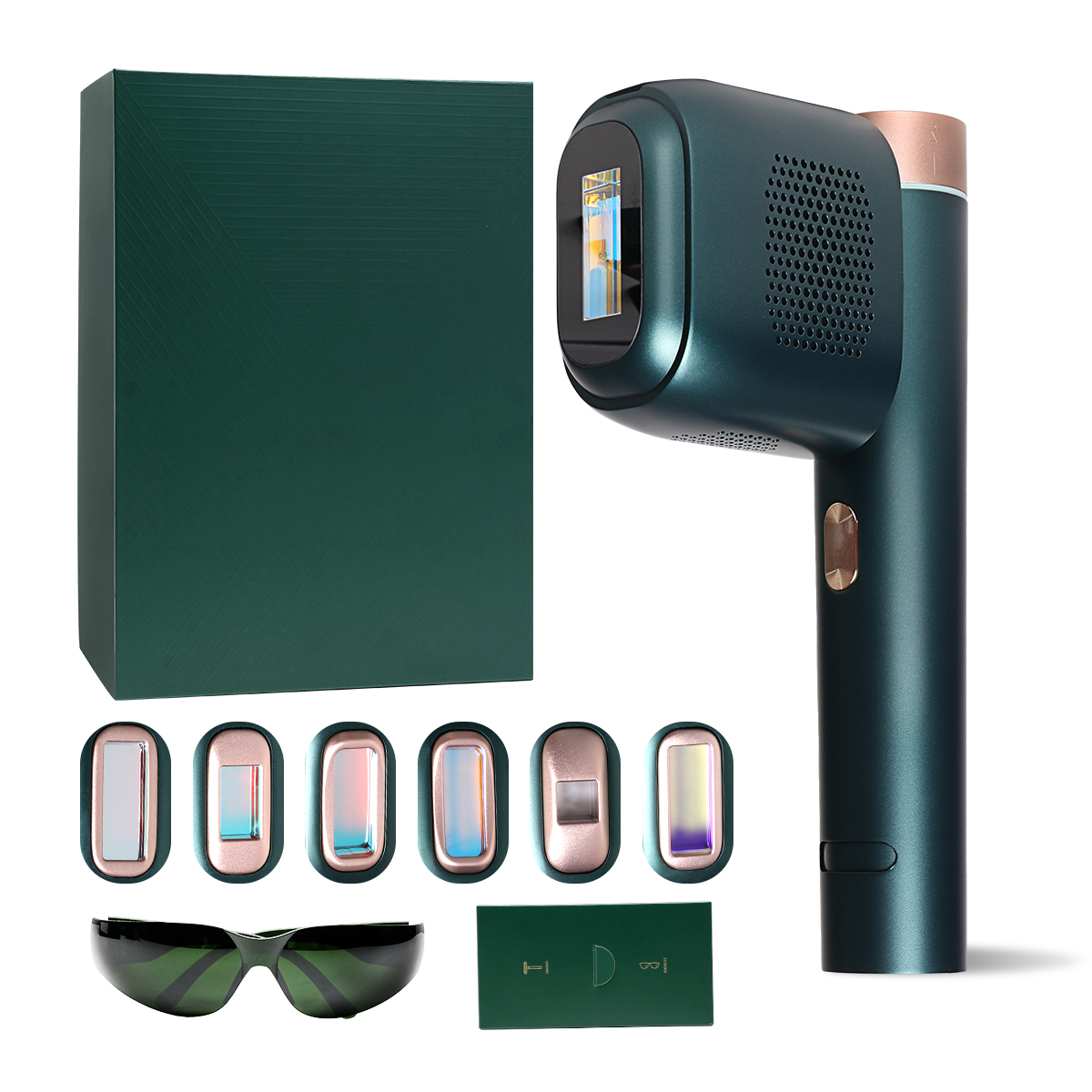
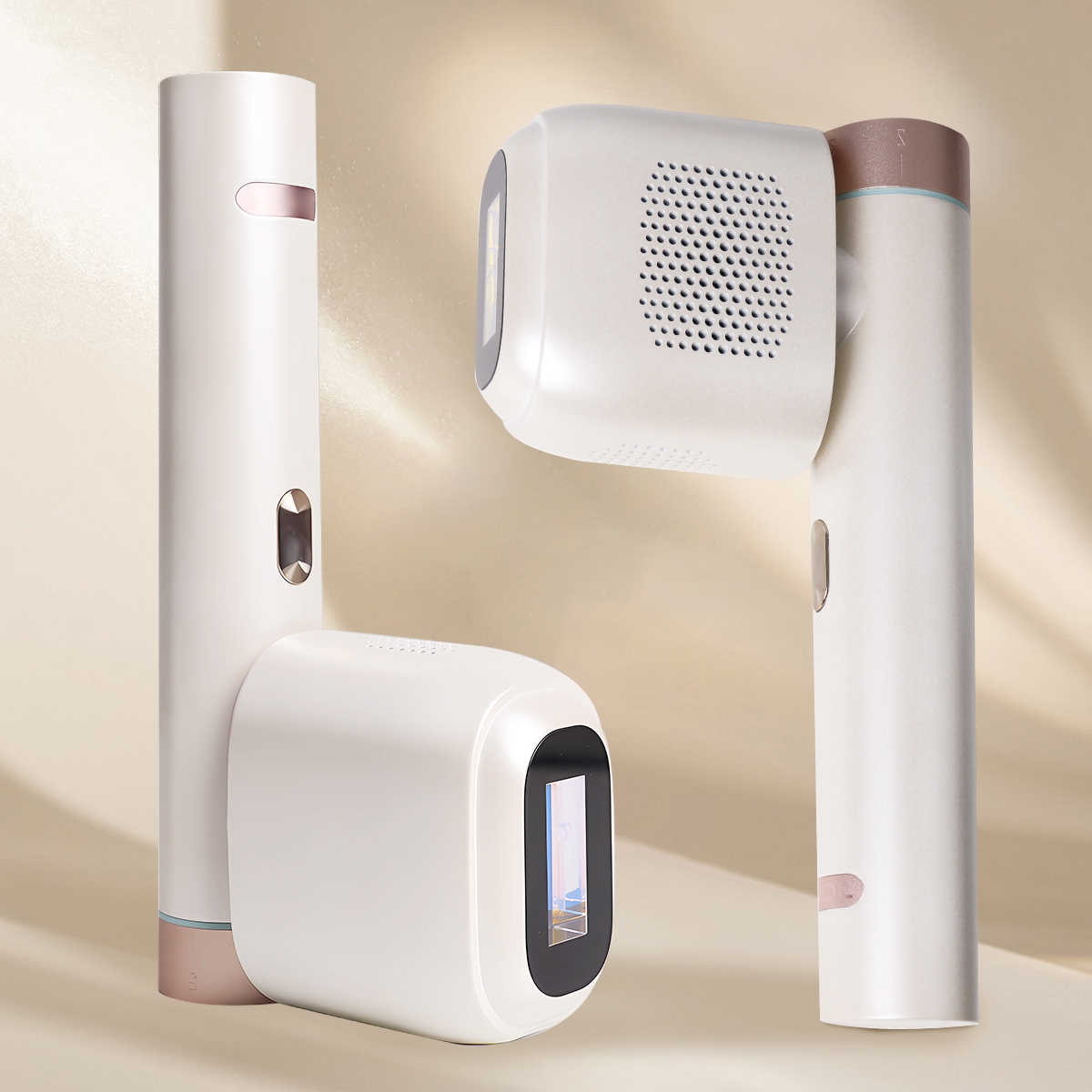
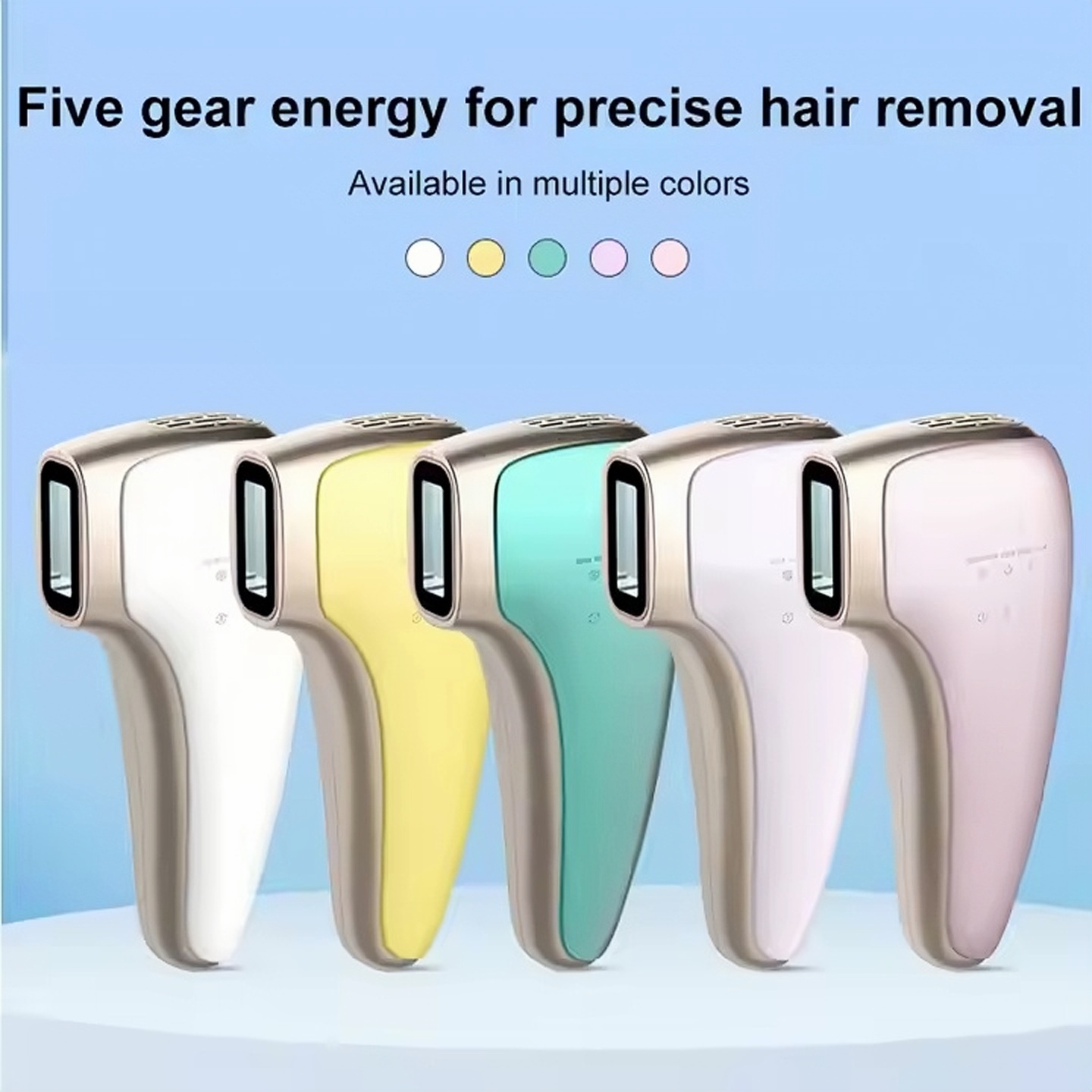
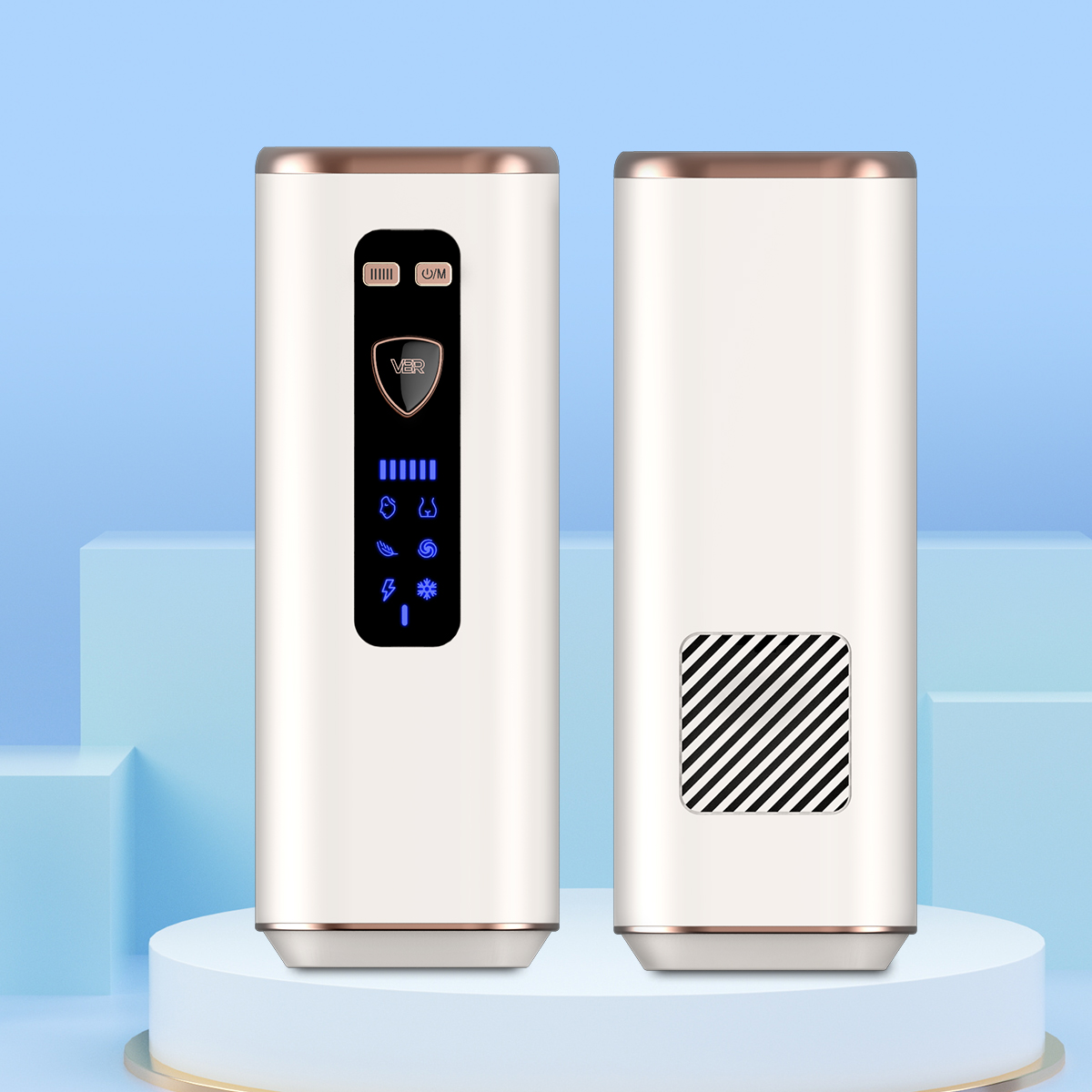
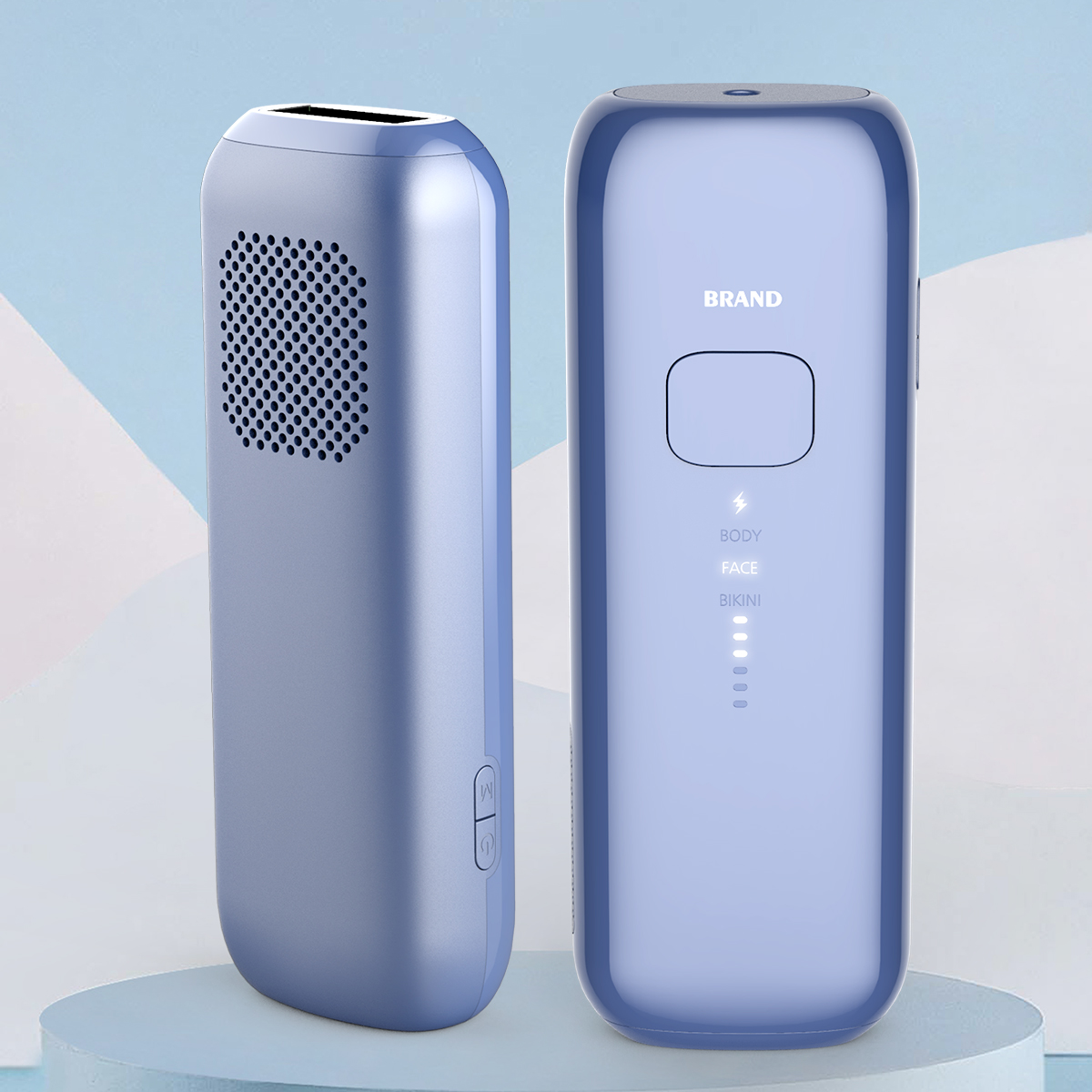
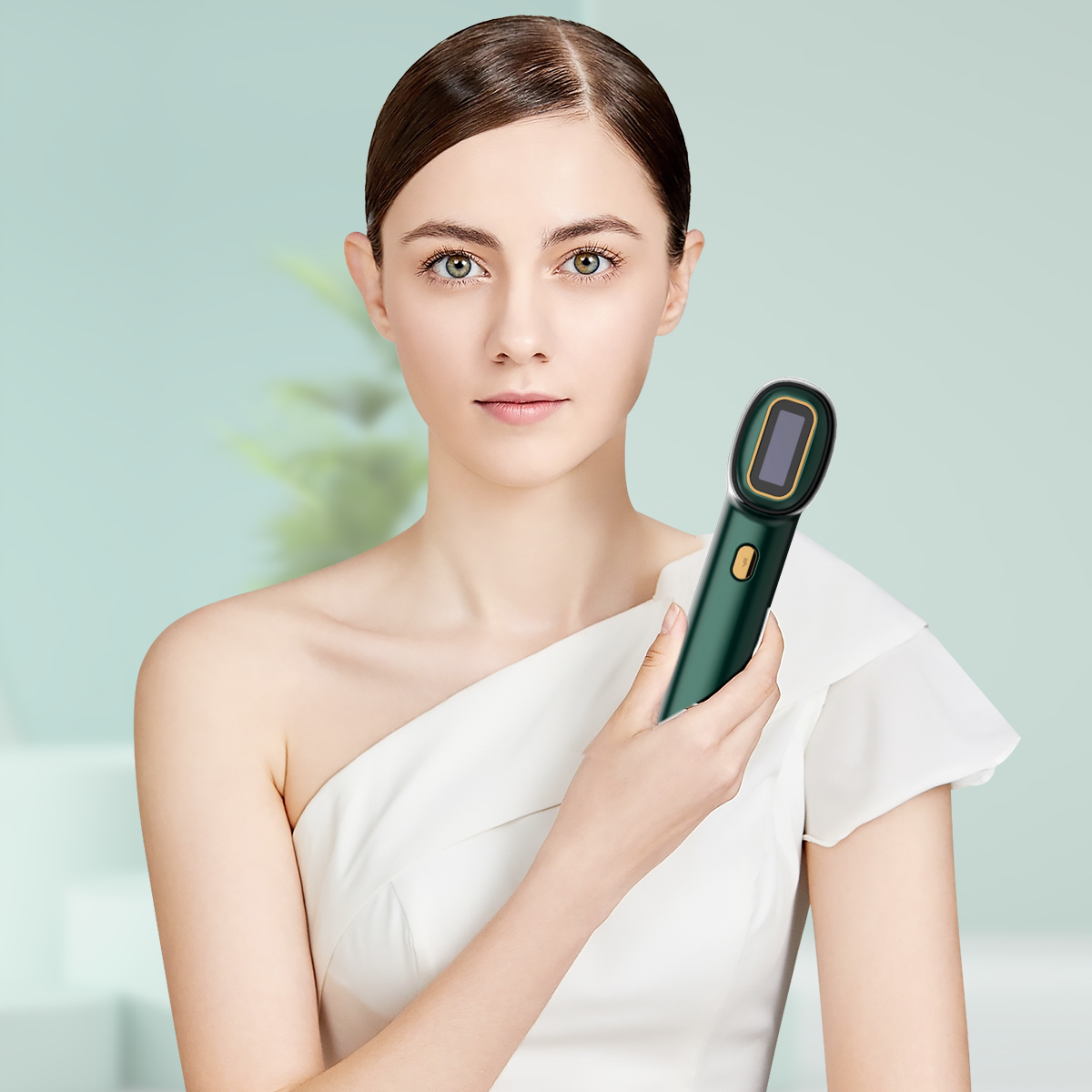
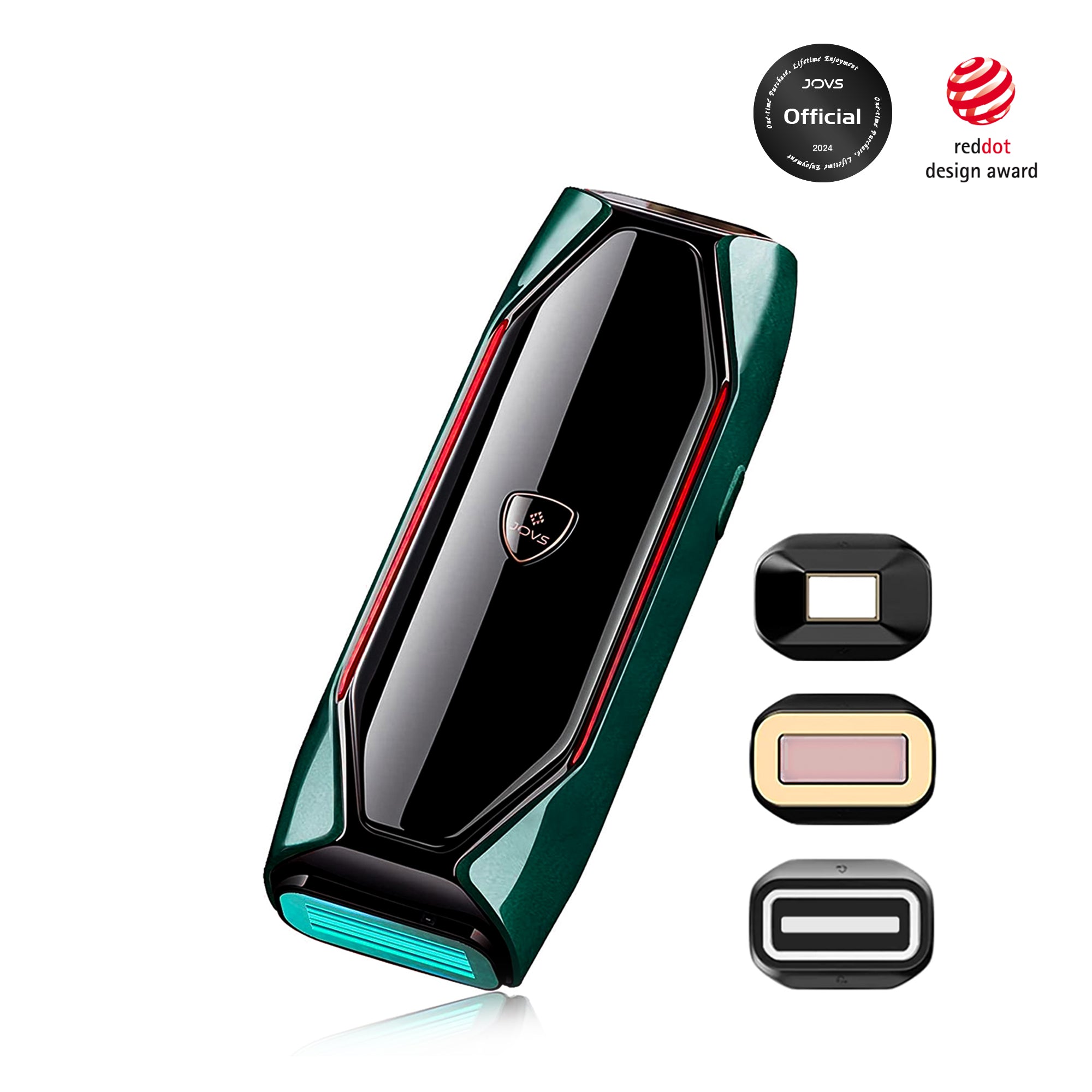
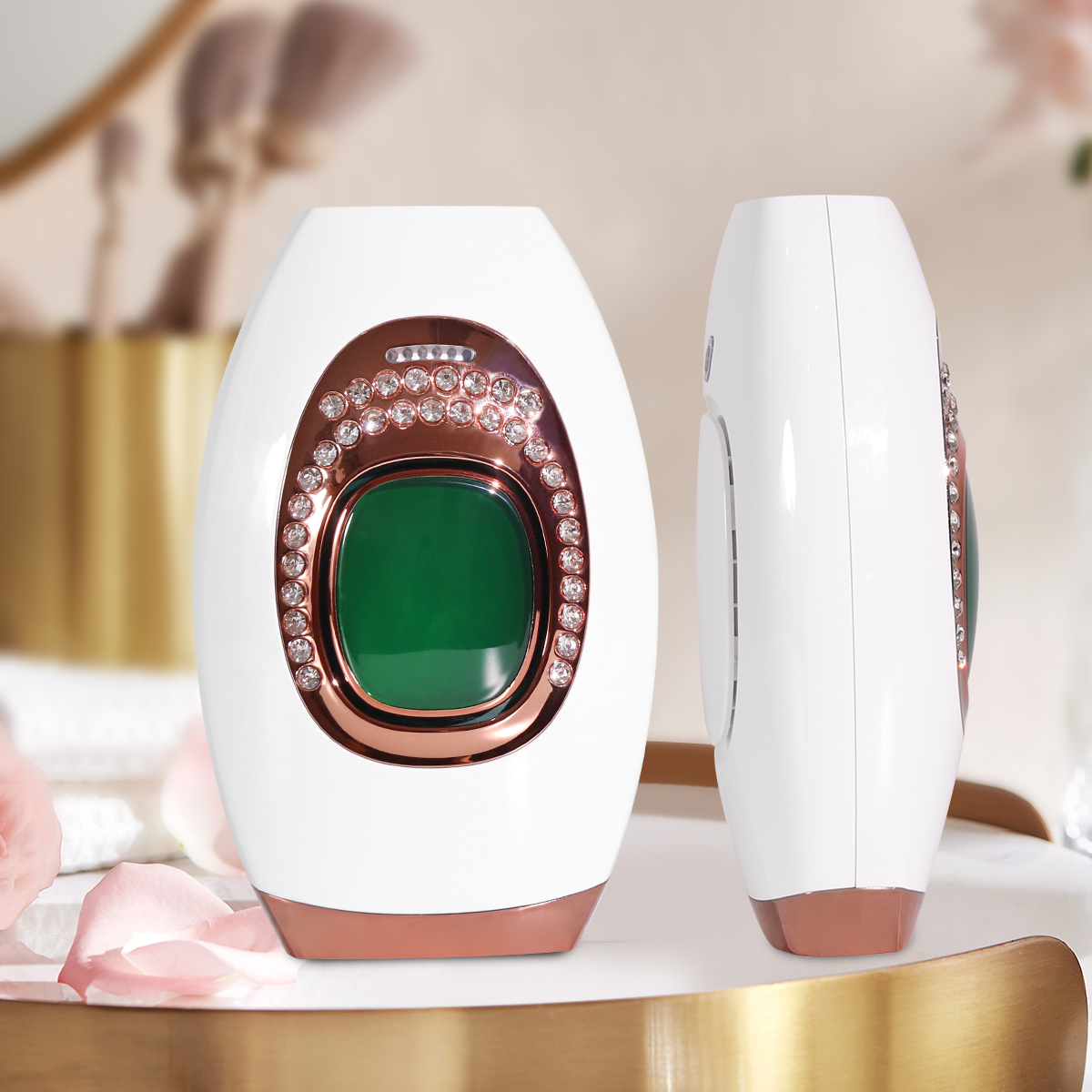
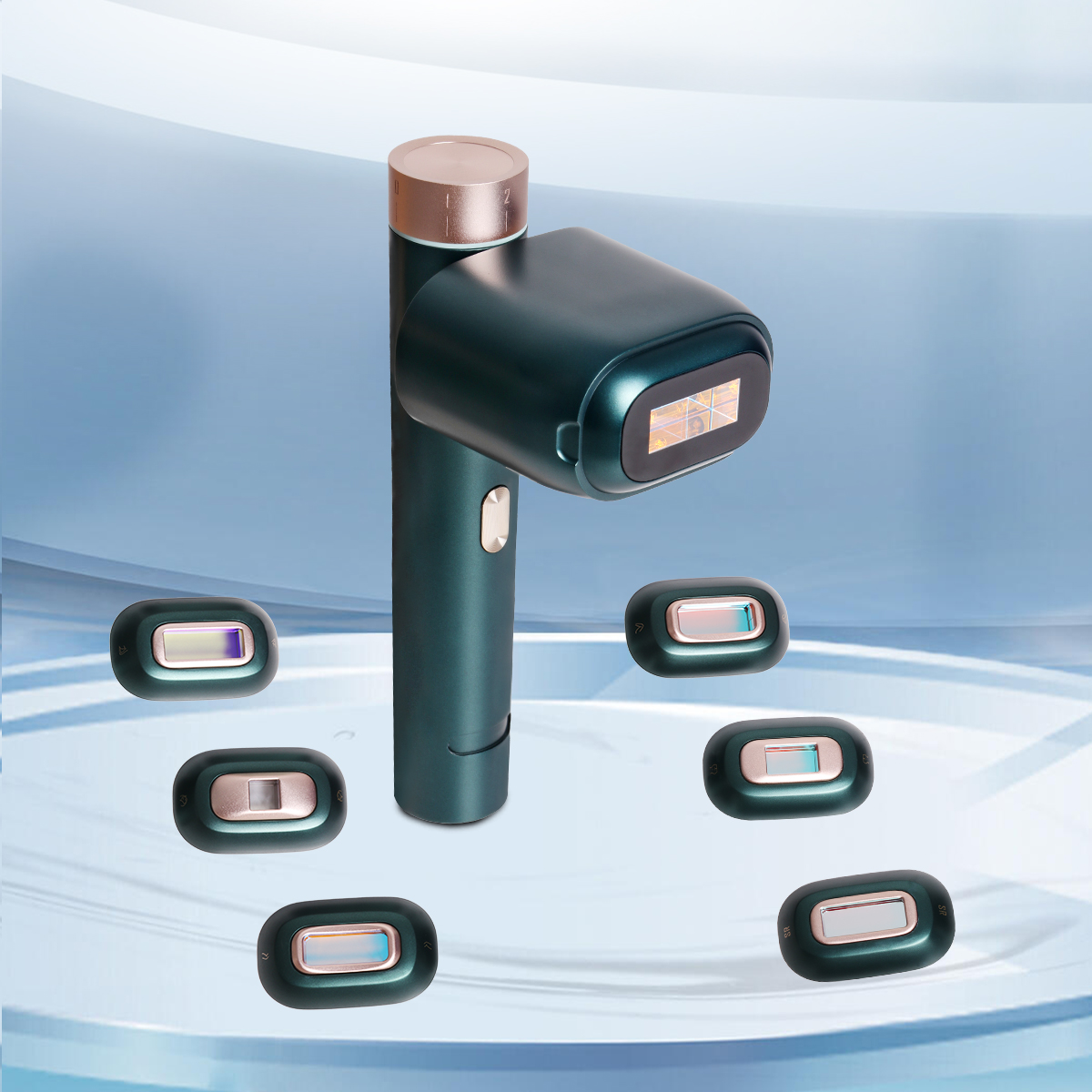
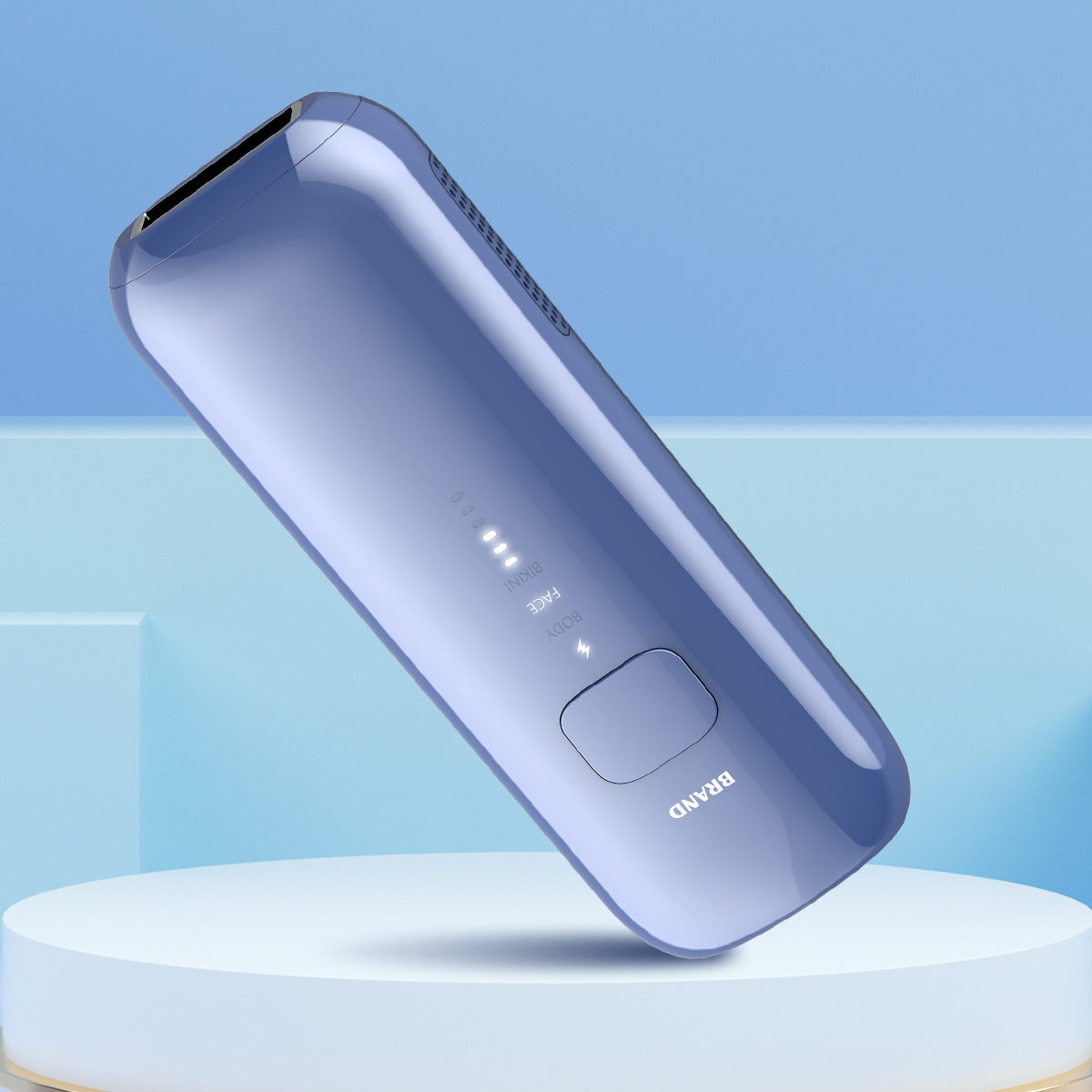
In an era where selfcare and beauty routines have become an integral part of daily life, the beauty market has witnessed a boom in at-home beauty devices. From IPL hair removal devices to microcurrent facials gadgets, consumers are increasingly tempted by the idea of achieving professional-like results in the comfort of their own homes. But the burning question remains: can these at home beauty devices really compete with traditional professional treatments?
Effectiveness: Unveiling the Truth
Professional beauty treatments are backed by years of research, advanced technology, and the expertise of trained professionals. Take IPL hair removal, for instance. In a professional setting, aestheticians use high-powered machines that are calibrated to deliver precise wavelengths of light energy. They can accurately assess skin types, hair colors, and growth patterns, adjusting treatment parameters in real-time to maximize hair reduction. This personalized approach often leads to more significant and long-lasting results, with many patients experiencing a substantial decrease in hair density after just a few sessions.
At home IPL devices, while innovative, have limitations. Most at-home models are designed with lower energy outputs to ensure user safety. This means that they may require more frequent treatments over an extended period to achieve similar results. Moreover, without professional training, users might struggle to optimize device settings. Incorrect usage, such as using an inappropriate energy level for their skin type, can not only reduce effectiveness but also increase the risk of subpar results. However, for those with light hair and fair skin, some modern at-home devices can still deliver satisfactory results, especially for maintaining hair-free skin between professional sessions.
Safety: A Critical Comparison
Safety is a paramount concern when it comes to beauty treatments. Professional clinics adhere to strict safety protocols. Technicians are trained to identify contraindications, such as skin conditions or medications that could interact negatively with the treatment. High-end professional IPL machines are equipped with advanced cooling systems and precise sensors to protect the skin from damage, minimizing the risk of burns, hyperpigmentation, or other adverse reactions. Regular maintenance and calibration of the equipment further ensure consistent and safe treatment outcomes.
At-home beauty devices, although designed with safety features like skin tone sensors, still pose risks due to potential user error. Without proper understanding of skincare science and treatment guidelines, consumers may make mistakes. For example, using an IPL device on sunburned skin or over-treating the same area can lead to skin irritation, redness, or even scarring. Additionally, the quality and safety standards of at-home devices can vary widely among brands. Some budget friendly devices may cut corners in manufacturing, potentially compromising user safety.
Cost and Convenience: Weighing the Pros and Cons
One of the most significant advantages of at-home beauty devices is their convenience. Consumers can perform treatments at any time that fits their schedule, eliminating the need for appointments, travel, and waiting times. Whether it’s a quick hair removal session during a lunch break or a relaxing facial treatment before bed, at-home devices offer unparalleled flexibility. In terms of cost, while the initial investment in a high-quality at-home device can be substantial, it often proves more cost-effective in the long run, especially for those who require regular treatments.
Professional treatments, on the other hand, come with a higher price tag. In addition to the cost of the treatment itself, patients also need to factor in transportation, potential downtime, and additional services. However, they offer a personalized experience. Aestheticians can provide tailored advice, recommend suitable skincare products, and address specific concerns. This comprehensive approach can lead to better overall results and a more satisfying beauty experience.
In conclusion, while at-home beauty devices have made remarkable progress and offer undeniable convenience and cost-savings, they cannot fully replace professional treatments. For complex skin conditions, stubborn hair issues, or those seeking immediate and dramatic results, professional treatments are the way to go. However, for routine maintenance, convenience-seeking consumers, or those on a budget, at-home beauty devices can be a valuable addition to their beauty routine. The key lies in understanding the capabilities and limitations of both options and making an informed choice based on individual needs, goals, and skin conditions.