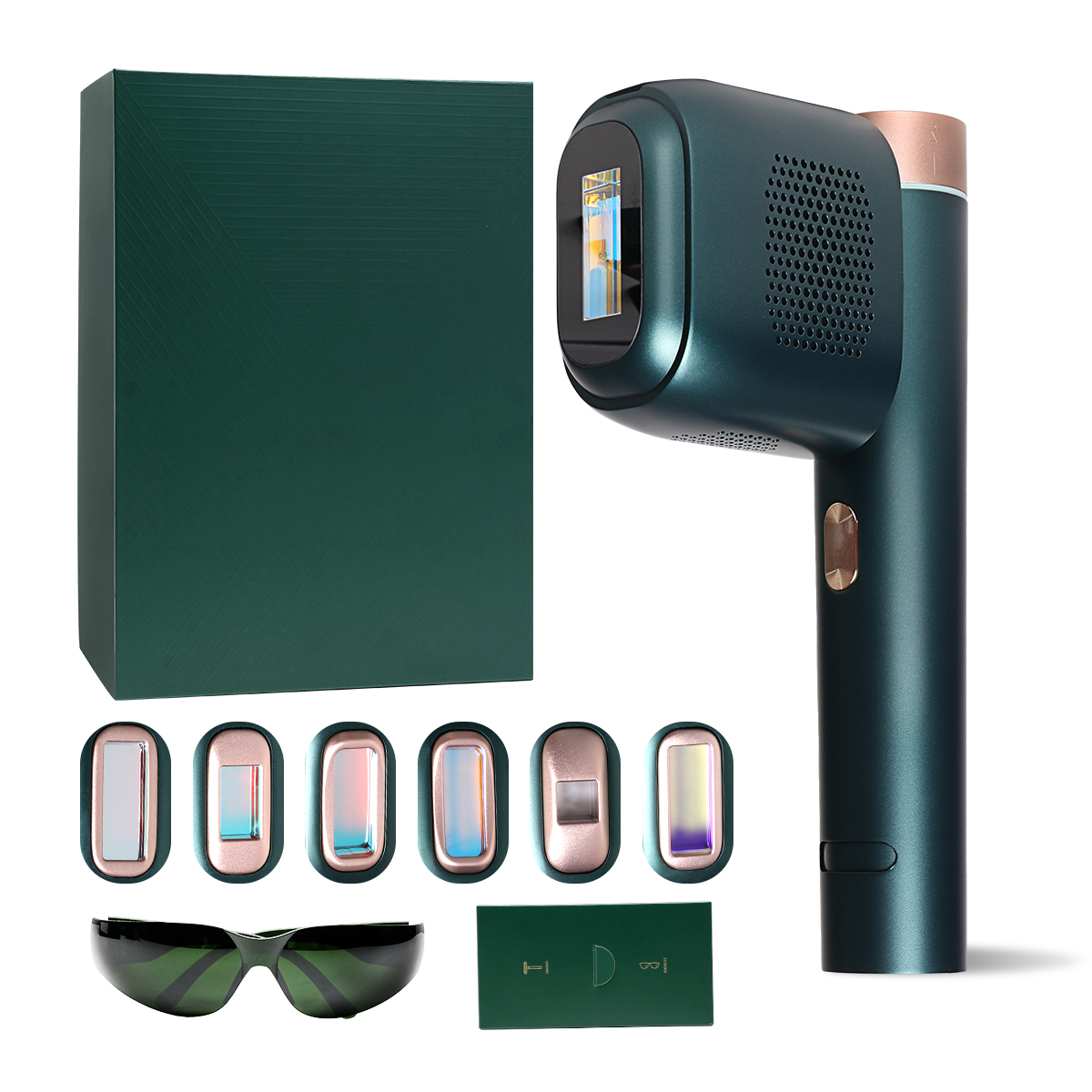
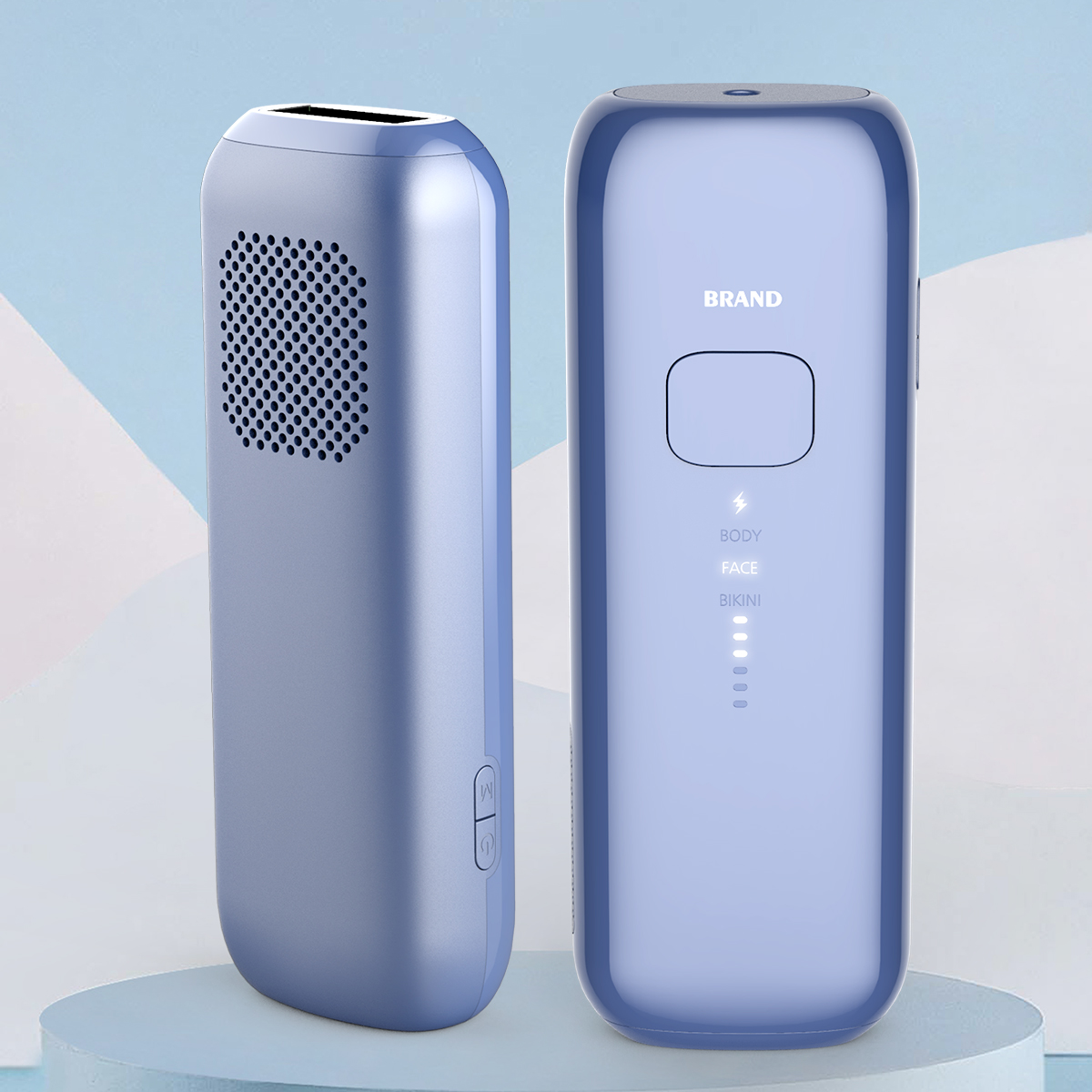
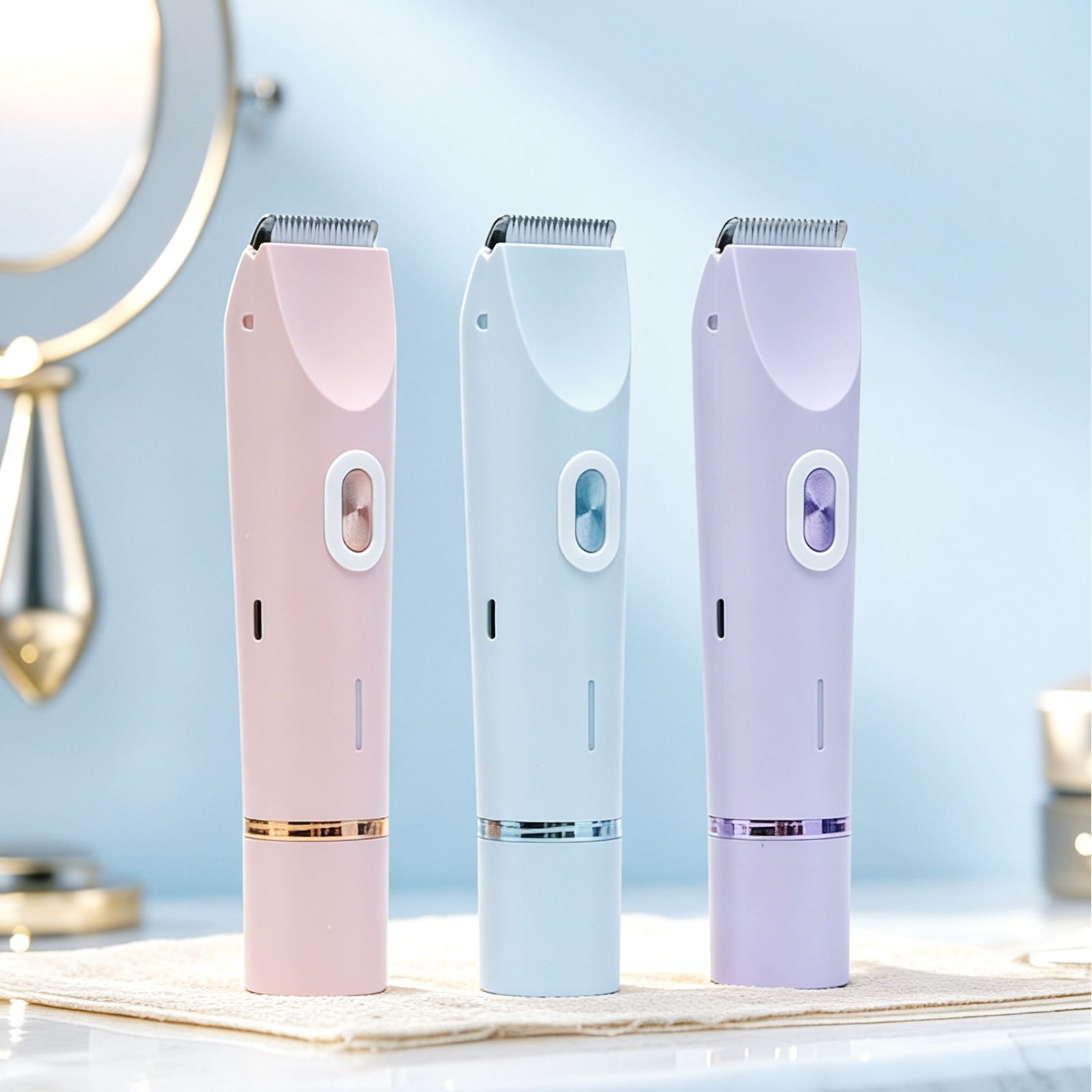
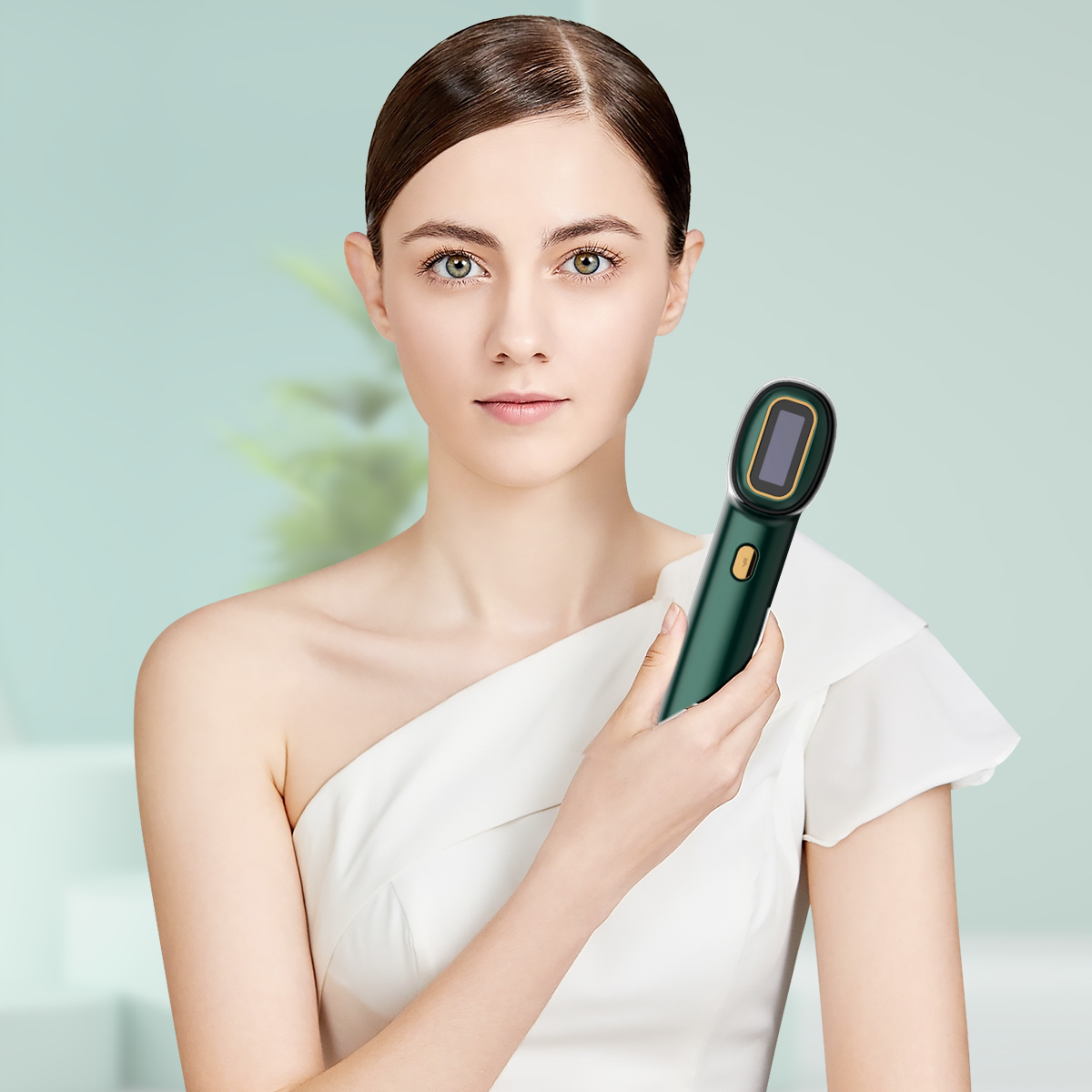
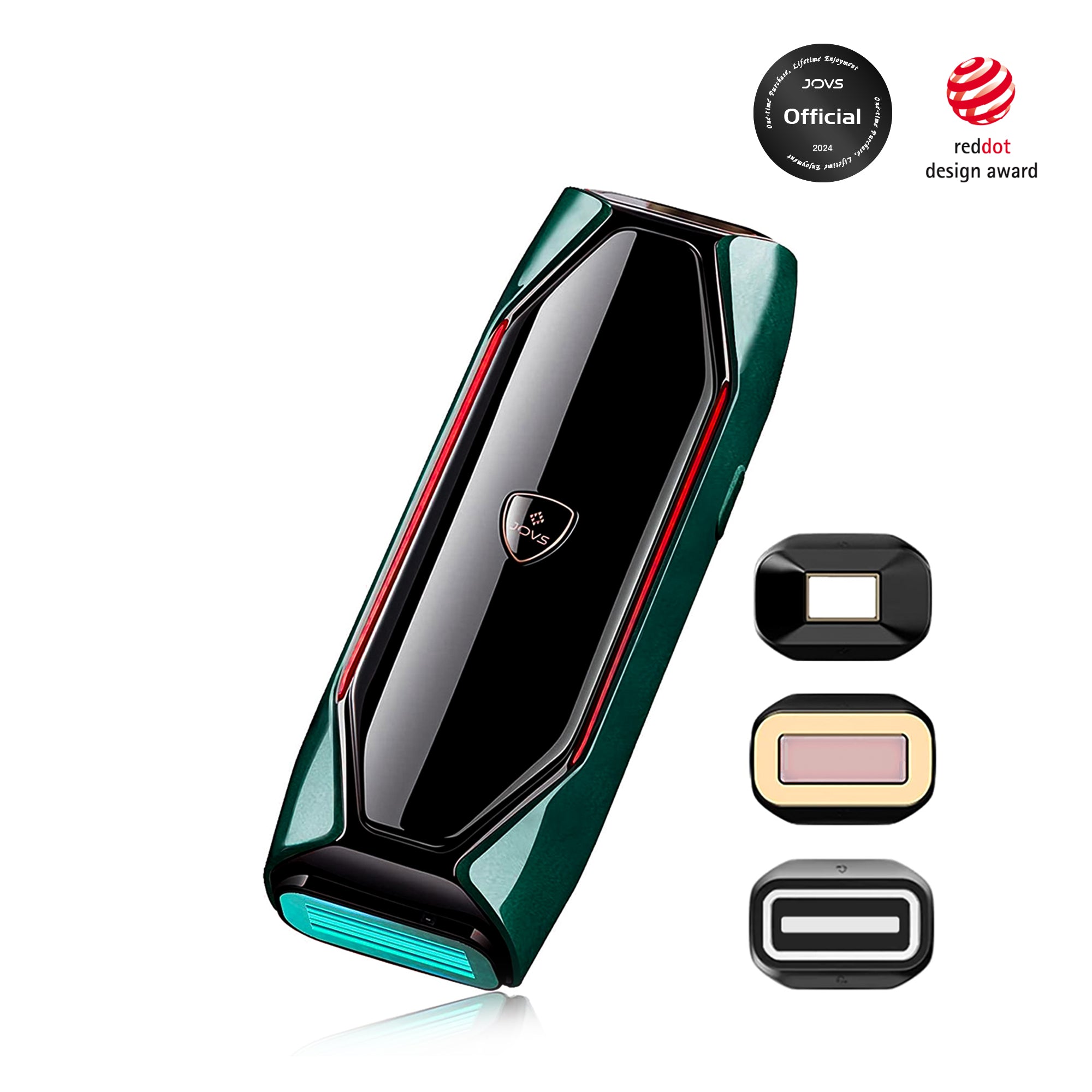
In the ever-evolving world of beauty and personal grooming, IPL (Intense Pulsed Light) hair removal has emerged as a popular choice for those seeking a long-term solution to unwanted hair. With the rise of at-home IPL devices and the increasing number of people opting for professional IPL treatments, it's crucial to be well-informed about the dos and don'ts. This article focuses on the taboos associated with IPL hair removal, ensuring you can make the most of this technology while safeguarding your skin health.
1. Medical Conditions and Contraindications
1.1 Skin Disorders
Individuals with active skin conditions such as psoriasis, eczema, or severe acne should avoid IPL hair removal. These conditions make the skin more sensitive and reactive. For example, psoriasis is characterized by inflamed, scaly patches. IPL treatment can exacerbate the inflammation, leading to increased discomfort and potentially worsening the condition. Similarly, eczema-prone skin is already in a state of irritation, and the heat from IPL can trigger further flare-ups. In the case of severe acne, the open pores and inflamed pimples are at risk of infection when exposed to the IPL procedure.
1.2 Allergies and Sensitivities
If you have a known allergy to light or photosensitivity, IPL hair removal is a strict no-go. Some medications, like certain antibiotics (tetracyclines), non-steroidal anti-inflammatory drugs (NSAIDs), and antidepressants, can also induce photosensitivity. For instance, if you're taking doxycycline for an infection, your skin becomes more sensitive to light.
When combined with IPL, the risk of severe skin reactions, including burns, blisters, and excessive redness, skyrockets. Always inform your doctor or esthetician about any medications you're taking before considering IPL treatment.
1.3 Pregnancy and Lactation
Pregnant and lactating women should steer clear of IPL hair removal. During pregnancy, a woman's body undergoes numerous hormonal changes, making the skin more sensitive. The heat from IPL can potentially harm the developing fetus, although the exact risks are not fully understood. In lactating women, the body is still in a state of physiological adjustment, and the stress on the skin from IPL treatment may not be well-tolerated. Additionally, any potential adverse effects on the mother's skin could potentially affect breastfeeding.
2. Sun Exposure and Tanning
2.1 Pre - treatment Sun Avoidance
It's essential to avoid direct sun exposure for at least two weeks prior to IPL hair removal. Sun-damaged skin has an increased amount of melanin, which is the pigment that gives color to our skin, hair, and eyes. When exposed to IPL, this excess melanin can absorb too much of the light energy, leading to burns, hyperpigmentation, or uneven skin tone. Even if you've used sunscreen, the sun's rays can still cause subtle damage to the skin that can interfere with the IPL treatment. If you've been on a sunny vacation or spent a lot of time outdoors in the sun, it's best to reschedule your IPL appointment.
2.2 Post-treatment Sun Protection
After IPL treatment, your skin is even more vulnerable to the sun. The treated area should be protected from UV rays for at least four weeks. Sun exposure during this period can cause darkening of the skin (hyperpigmentation), which may be permanent in some cases. Use high-quality, broad-spectrum sunscreens with an SPF of 50 or higher. In addition to sunscreen, physical barriers like wide-brimmed hats, long-sleeved shirts, and UV-blocking sunglasses are highly recommended. Avoid tanning beds at all costs, as they emit UV rays that can be just as harmful as natural sunlight.
3. Tattooed and Pierced Areas
3.1 Tattoos
IPL should never be used on tattooed skin. Tattoos contain pigments that can absorb the light energy from IPL in an unpredictable manner. This can cause the tattoo to fade unevenly, change color, or even cause the skin to blister or scar. Whether the tattoo is new or old, professional or amateur, it's important to keep IPL away from it. If you have a tattoo in an area where you want to undergo IPL hair removal, you may need to consider other hair removal methods or consult a dermatologist about tattoo removal first.
3.2 Piercings
For areas with piercings, IPL treatment can be risky. The metal in the piercings can conduct heat, which may cause discomfort or even burn the surrounding skin during the IPL procedure. Additionally, the presence of a piercing can disrupt the even application of the IPL energy. It's advisable to remove piercings temporarily if possible before undergoing IPL treatment in the area. If the piercing cannot be removed, be sure to inform your technician so they can take extra precautions or avoid the area altogether.
4. Other Considerations
4.1 Recent Hair Removal Methods
If you've recently used other hair removal methods such as waxing, sugaring, or depilatory creams, it's best to wait at least two weeks before IPL treatment. These methods can irritate the skin and cause micro-abrasions. IPL on already-irritated skin can lead to increased pain, redness, and a higher risk of complications. Shaving, on the other hand, is a safe option before IPL. In fact, it's recommended to shave the treatment area a day or two before the procedure to ensure the IPL energy can target the hair follicles more effectively.
4.2 Incorrect Device Use
Using an IPL device incorrectly is a common mistake. This includes using a device that is not suitable for your skin type or hair color, setting the energy level too high, or not following the recommended treatment intervals. For at-home IPL devices, always read the instruction manual carefully. Different skin types, ranging from fair to dark, require different energy settings. Using an inappropriate setting can either render the treatment ineffective or cause skin damage. Also, do not over-treat an area. Most IPL treatments require multiple sessions spaced a few weeks apart, and rushing the process can lead to negative outcomes.
In conclusion, being aware of these taboos is essential for a successful and safe IPL hair removal experience. Whether you're considering professional treatment or using an at-home device, always prioritize your skin health. If you have any doubts or concerns about your eligibility for IPL hair removal, consult a qualified dermatologist or esthetician. They can provide personalized advice based on your skin type, medical history, and hair characteristics, ensuring you achieve the smooth, hair-free skin you desire without any unwanted side effects.