In 2025, the world of hair removal has seen significant advancements, especially in the realm of IPL (Intense Pulsed Light) devices. These devices have become a popular at-home alternative to professional laser hair removal treatments, and recent trends show that they are only getting better.
The Impact of Recent Beauty News on IPL Devices
One of the major beauty news events that has influenced the development of IPL hair removal devices is the growing focus on overall skin health. With the rise of the "skinimalism" trend, where people are looking for simple yet effective skincare routines,
IPL devices that not only remove hair but also contribute to skin rejuvenation are in high demand. For example, some of the latest IPL devices on the market are now equipped with features that target not only hair follicles but also help improve skin texture. They work by stimulating collagen production in the skin, which can reduce the appearance of fine lines and pores, giving users a more youthful complexion.
Another aspect influenced by beauty news is the emphasis on sustainability. In 2025, consumers are more environmentally conscious than ever. Many IPL device manufacturers are now using eco-friendly materials in their product designs. Packaging has also become more sustainable, with the use of recycled and recyclable materials. This not only appeals to the environmentally-aware consumer but also aligns with the global push towards a more sustainable beauty industry.
Design Innovations for User-Friendliness
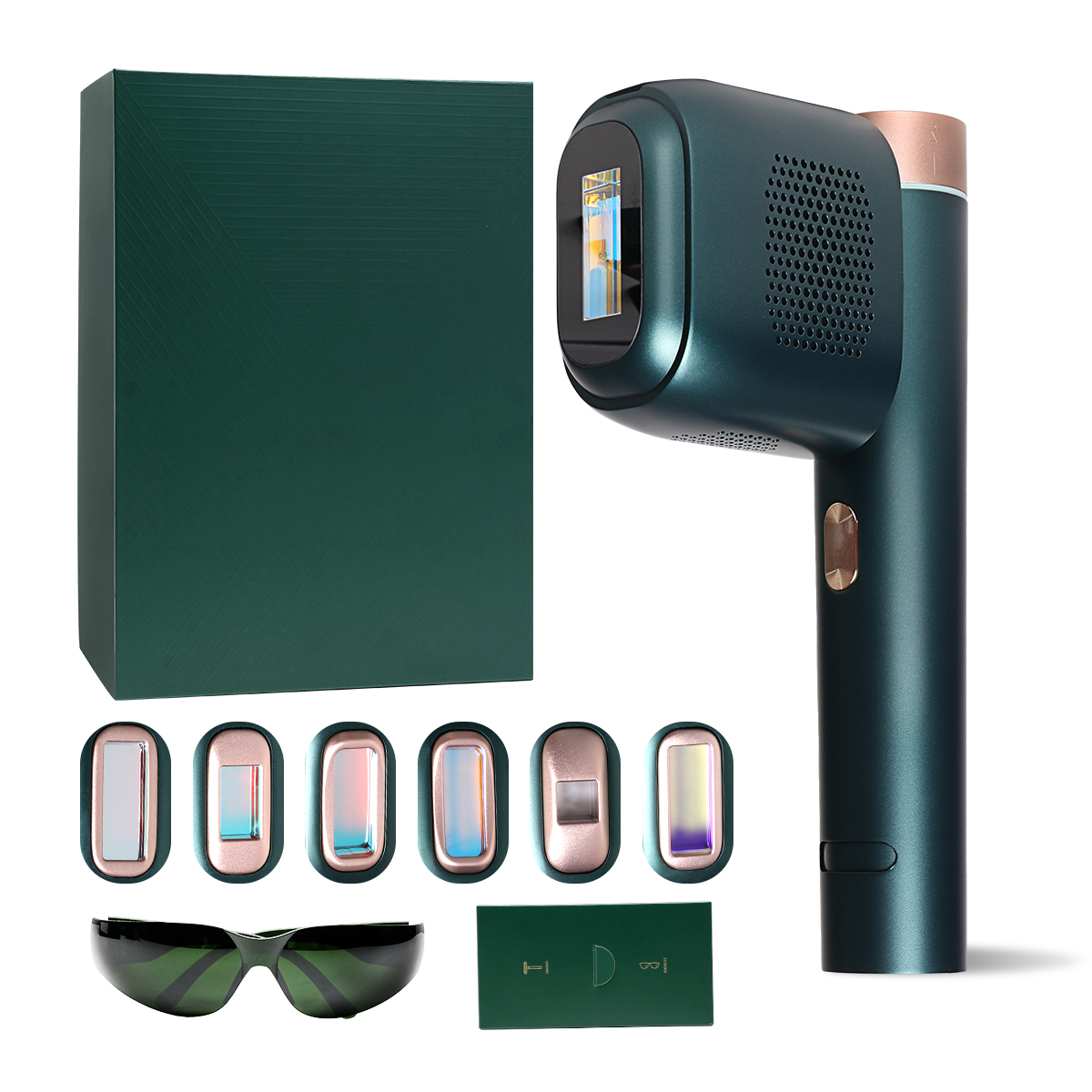
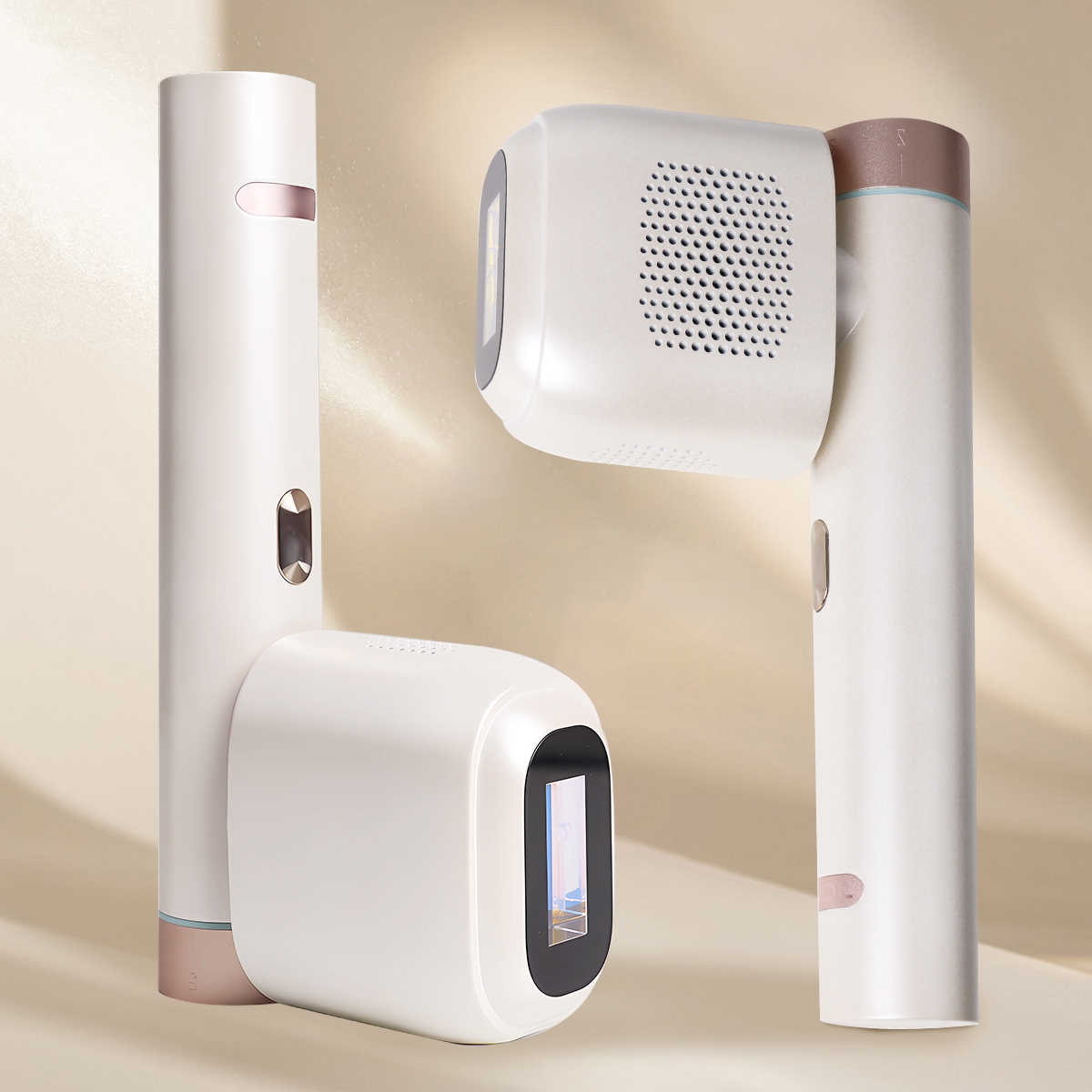
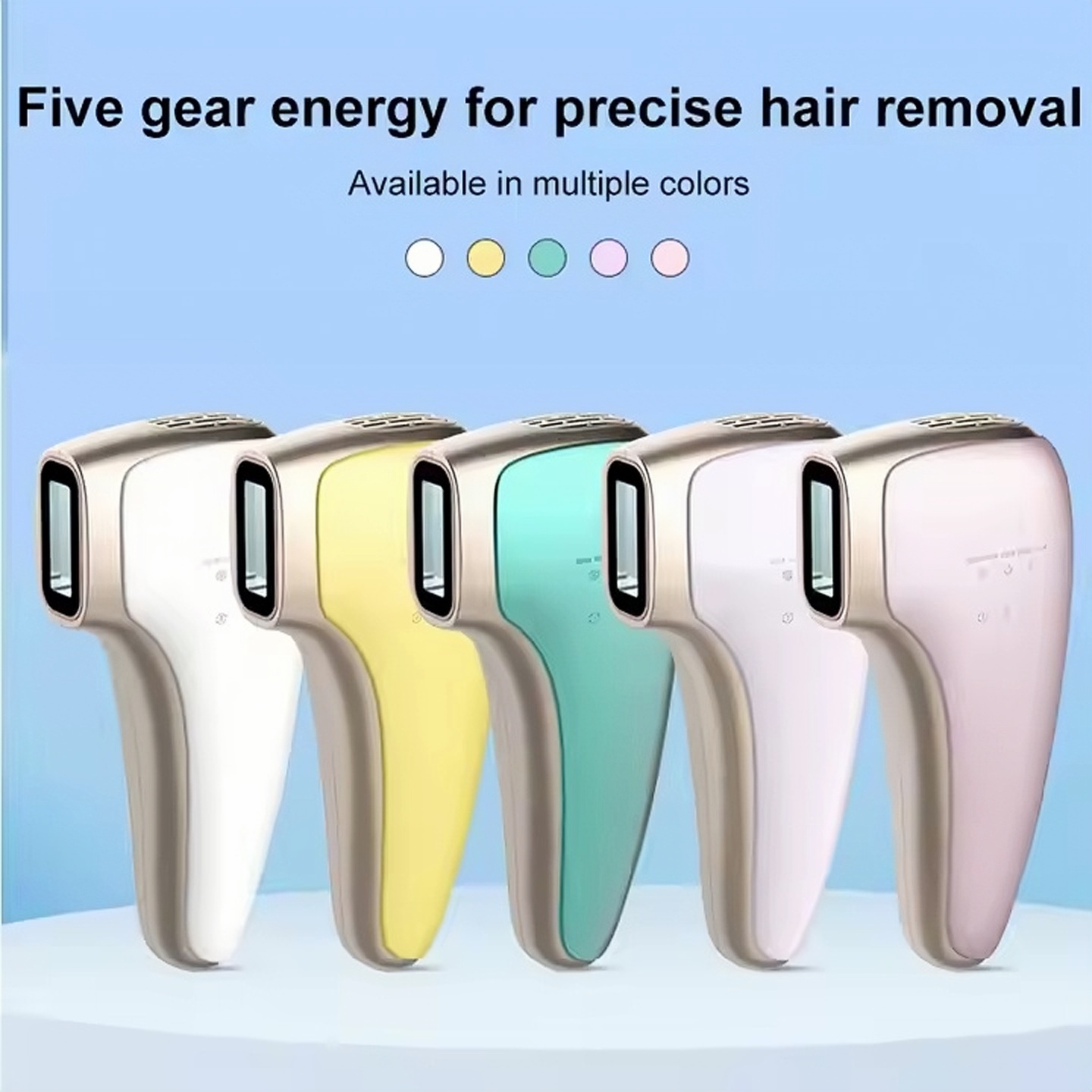
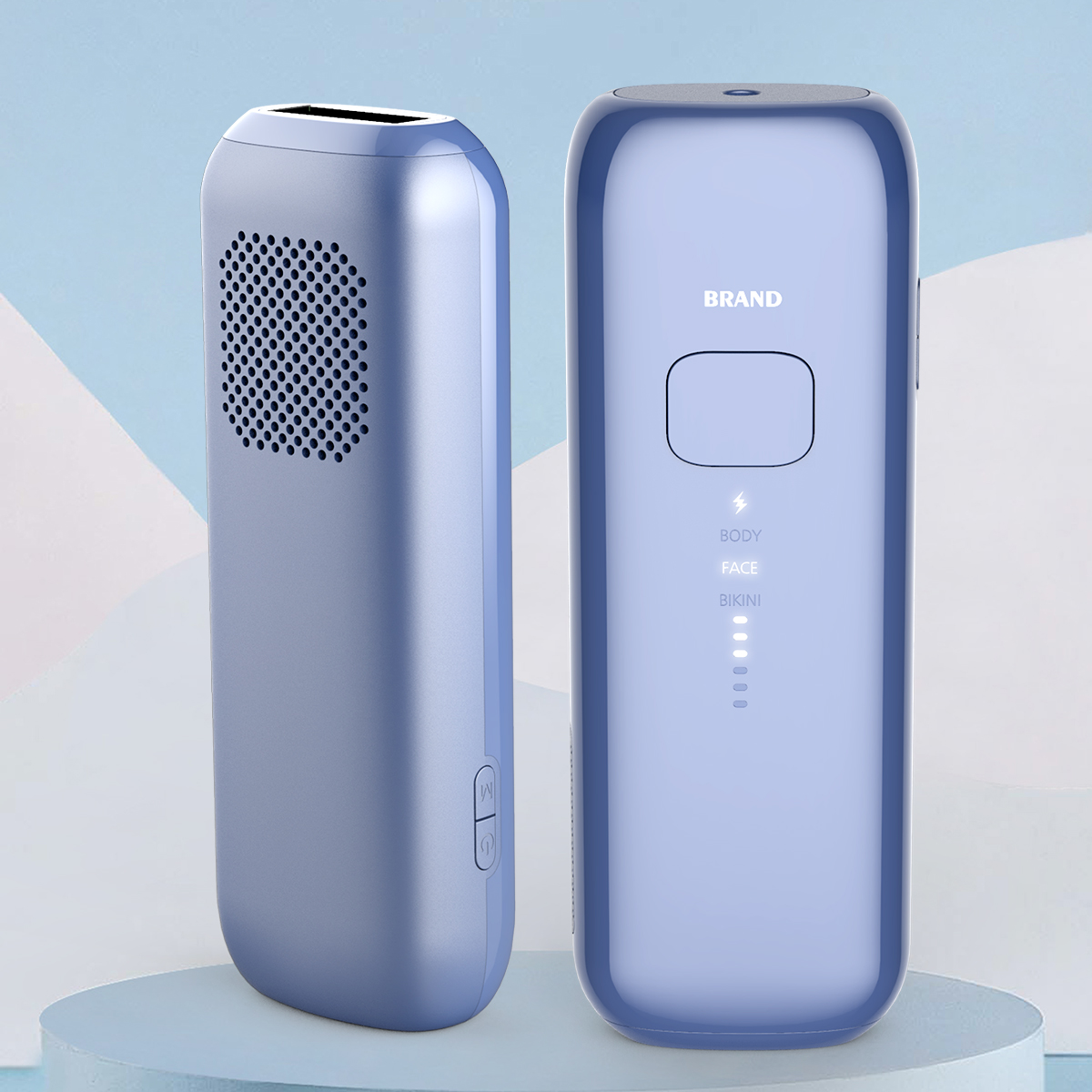
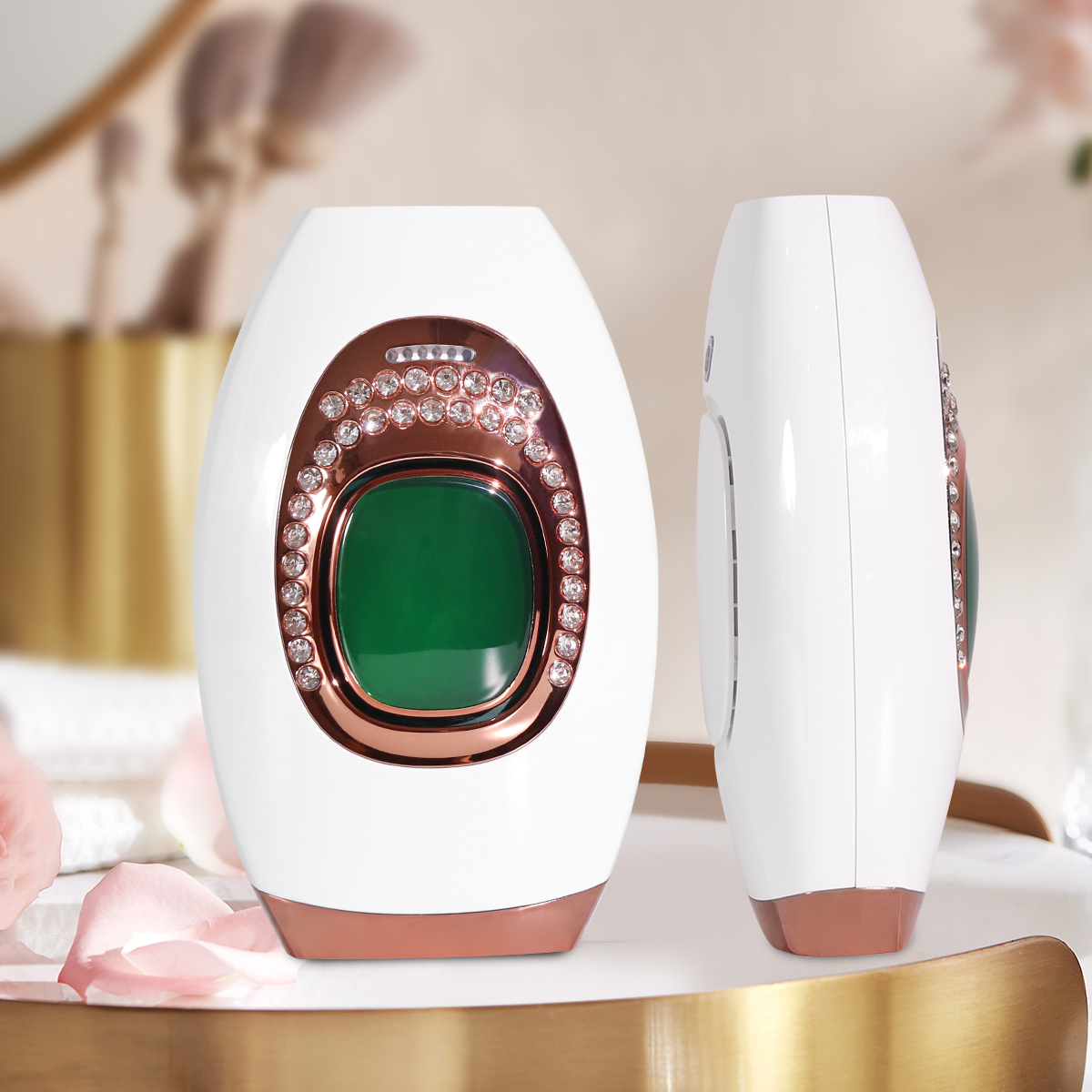
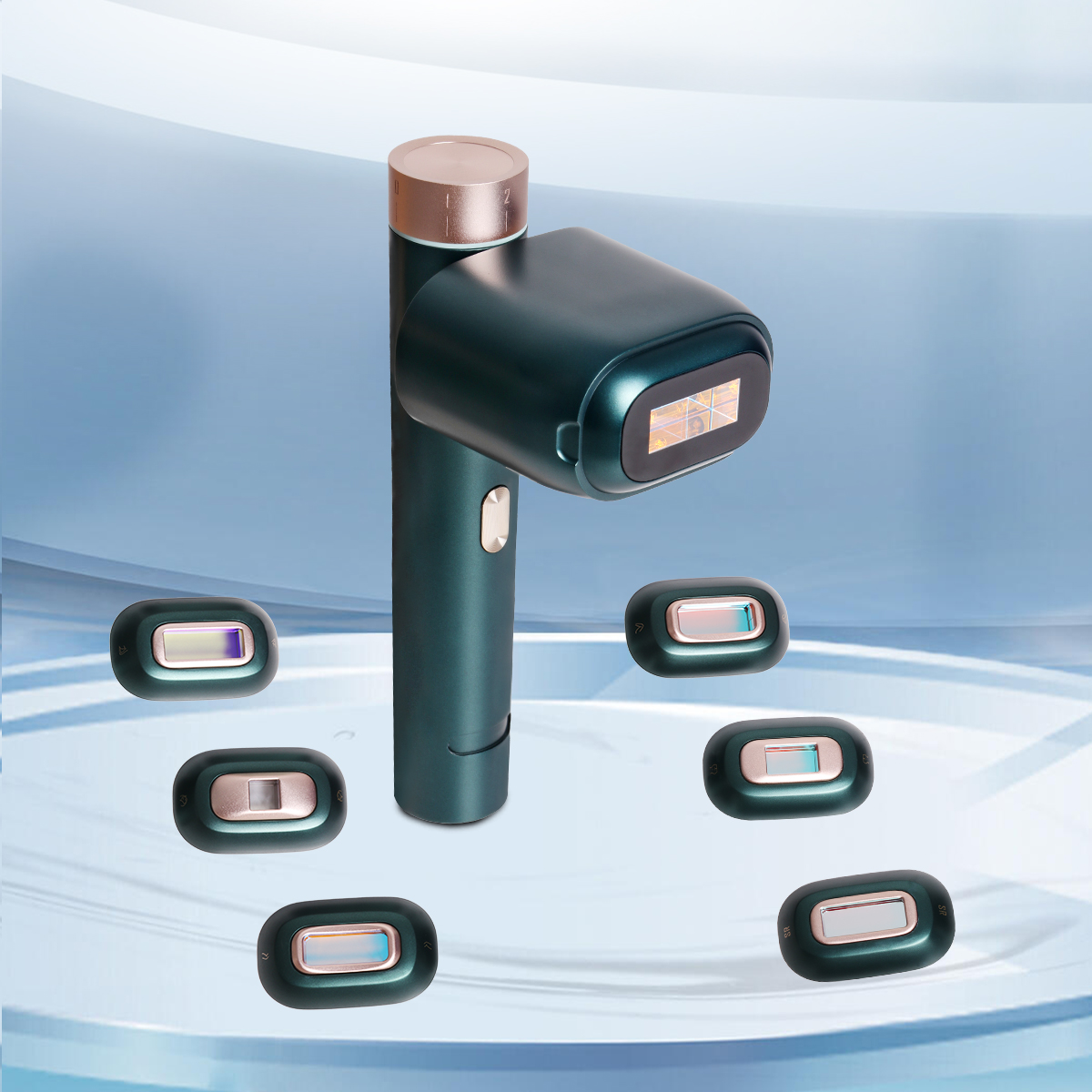
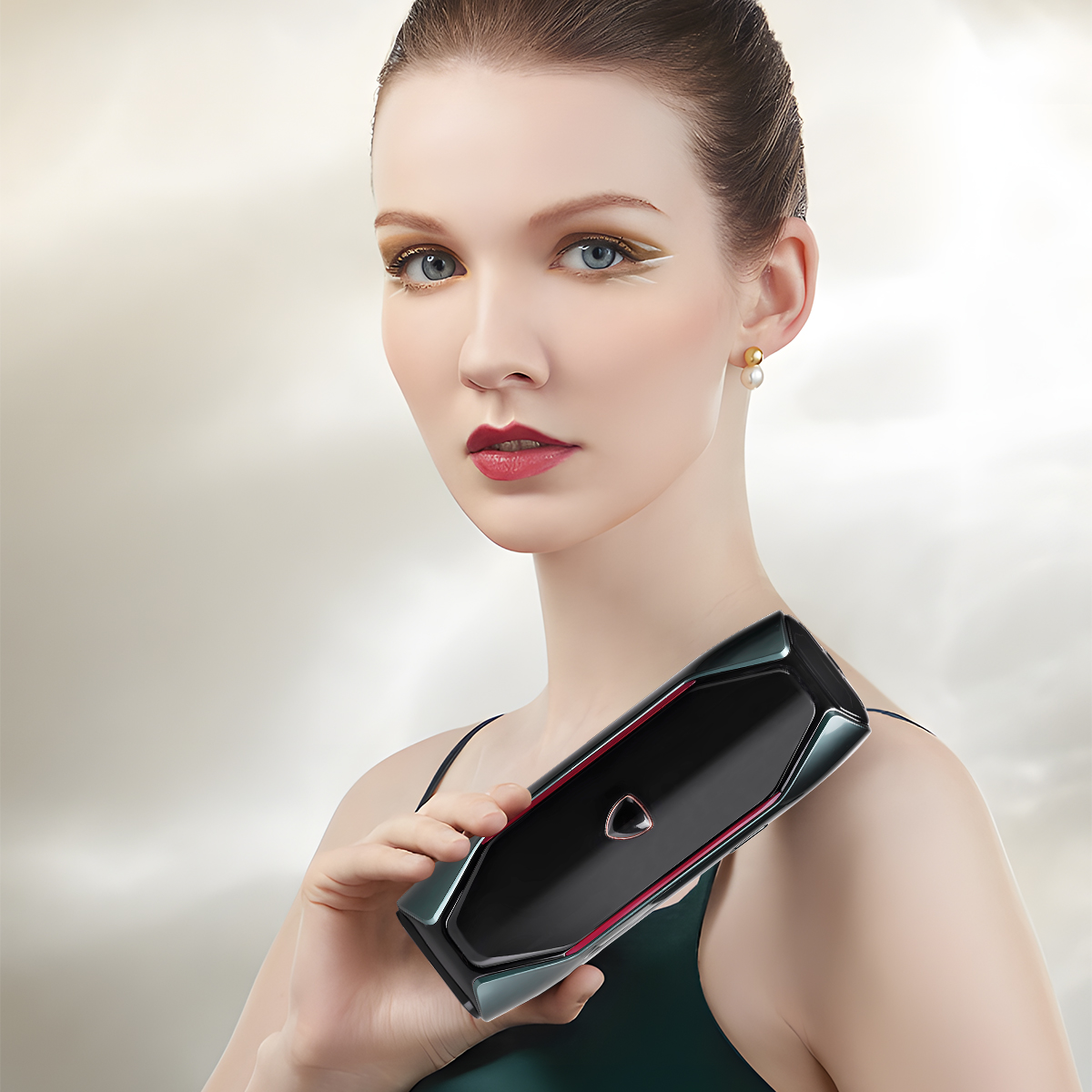
User-friendliness has been a key area of focus for IPL device designers in 2025. One of the most notable design changes is the improvement in the ergonomics of the devices. They are now more lightweight and have a more comfortable grip, making it easier for users to hold and maneuver the device during use. Some models even have a contoured shape that fits the curves of the body, allowing for better access to hard-to-reach areas such as the underarms and bikini line.
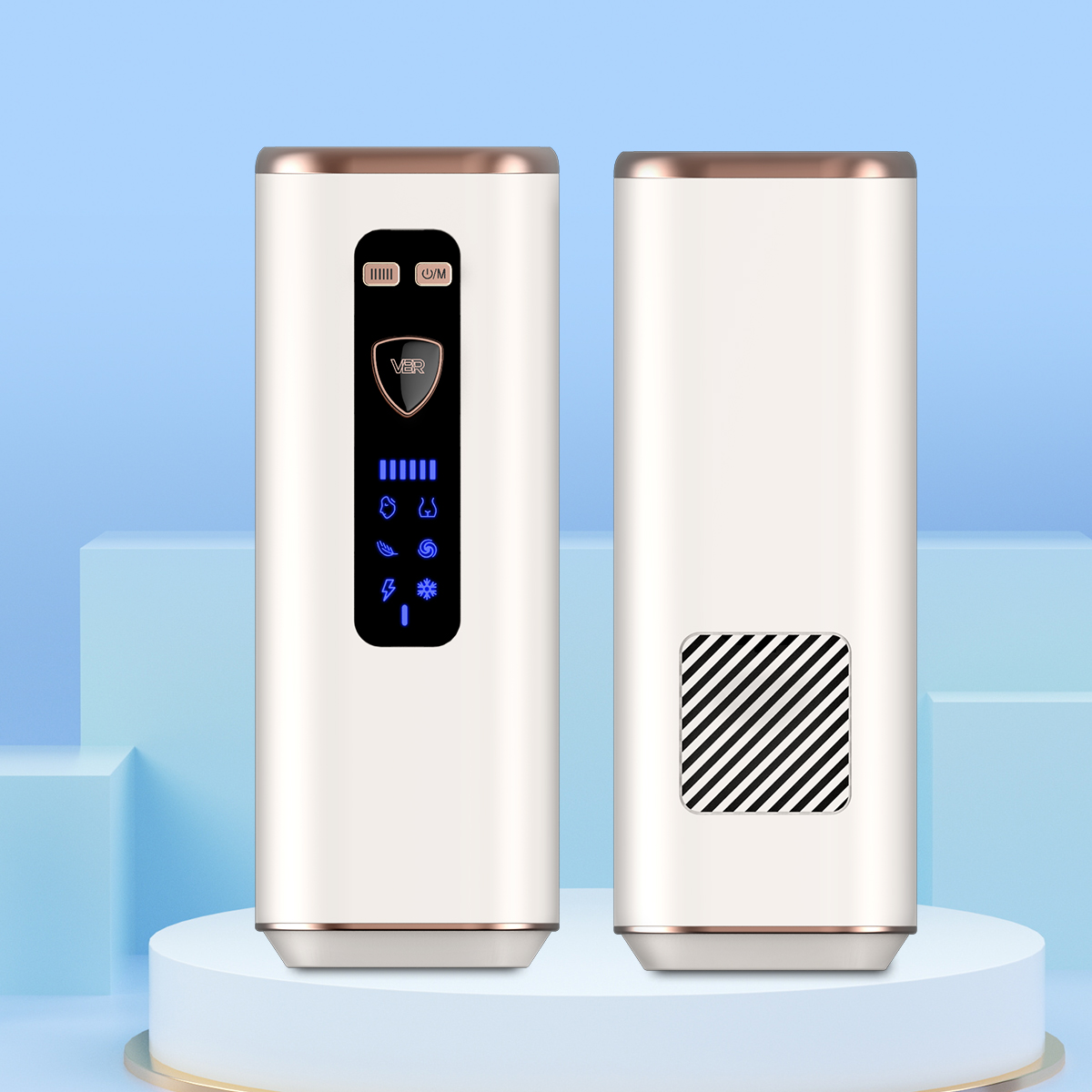
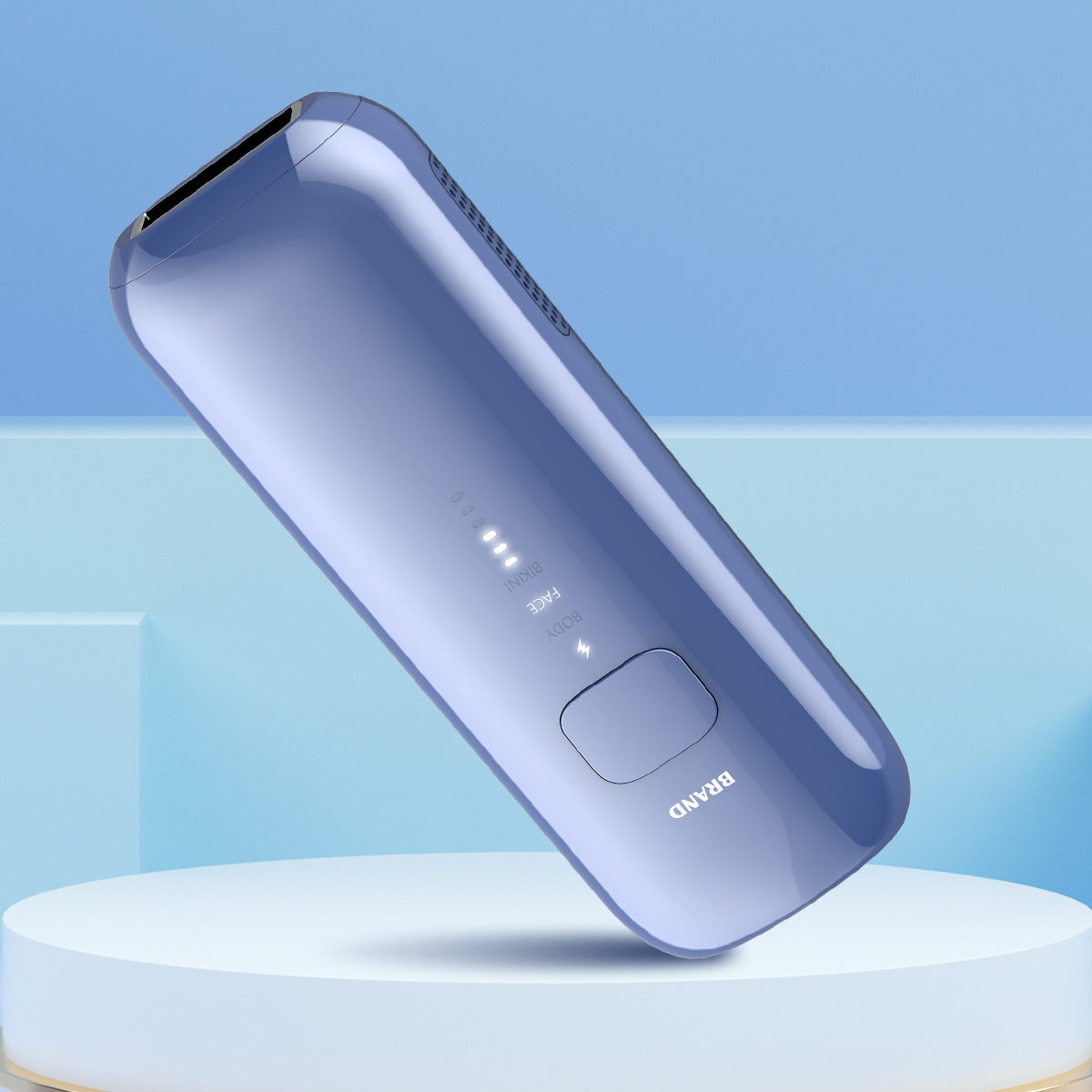
The addition of digital displays on IPL devices is another significant design innovation. These displays provide users with important information such as the selected intensity level, the number of flashes remaining (if applicable), and the battery level. This makes the operation of the device more intuitive, especially for first - time users. For example, a user can easily see if they need to charge the device before starting a treatment or if they need to adjust the intensity level based on their skin's sensitivity.
Quality Improvements for Better Results
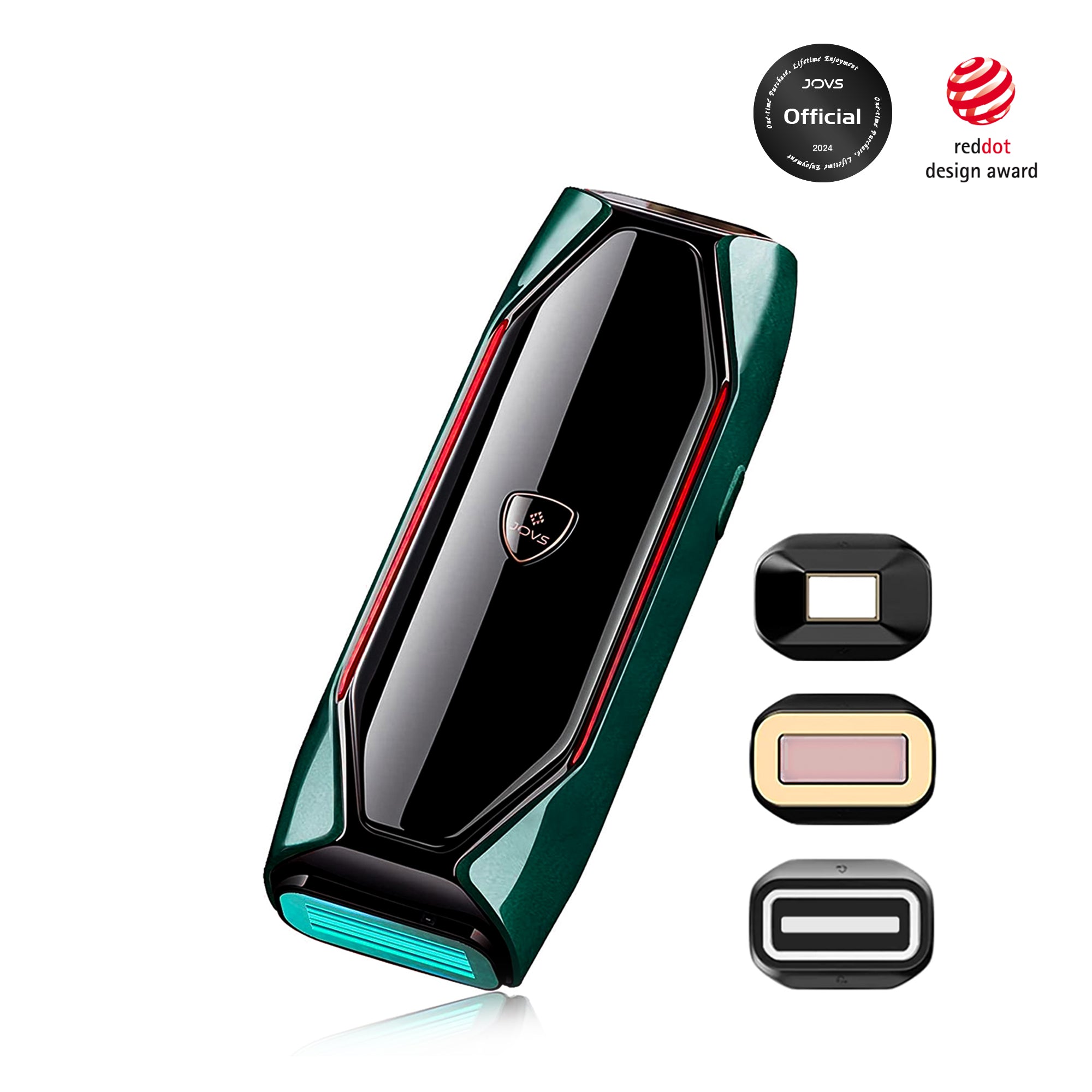
Quality is of utmost importance when it comes to IPL hair removal devices, and manufacturers have made significant strides in this area in 2025. One of the main quality improvements is in the light - emitting technology. The bulbs or diodes used in IPL devices are now more powerful and consistent in their light output. This means that each flash of light is more effective at targeting the hair follicles, resulting in better hair removal results. Some high - end devices can now deliver a higher energy output per flash, which is particularly beneficial for those with thick or coarse hair.
In terms of safety, IPL devices have also seen significant improvements. Most modern devices are now equipped with multiple sensors. Skin tone sensors are becoming more accurate, ensuring that the device adjusts the light intensity according to the user's skin color. This reduces the risk of burns or other skin damage. Additionally, contact sensors ensure that the device only emits light when it is in proper contact with the skin, further enhancing safety.
In conclusion, 2025 has been a year of remarkable evolution for IPL hair removal devices. With design innovations for user - friendliness and quality improvements for better results, these devices are becoming an even more attractive option for those looking to achieve smooth, hair - free skin at home. Whether you're a first - time user or a seasoned IPL device owner, the latest models on the market are worth considering for a more effective and enjoyable hair removal experience.